South Korea - Fresh pear production expected to decrease 20 percent in MY 2023/24

07.11.2023 707 views

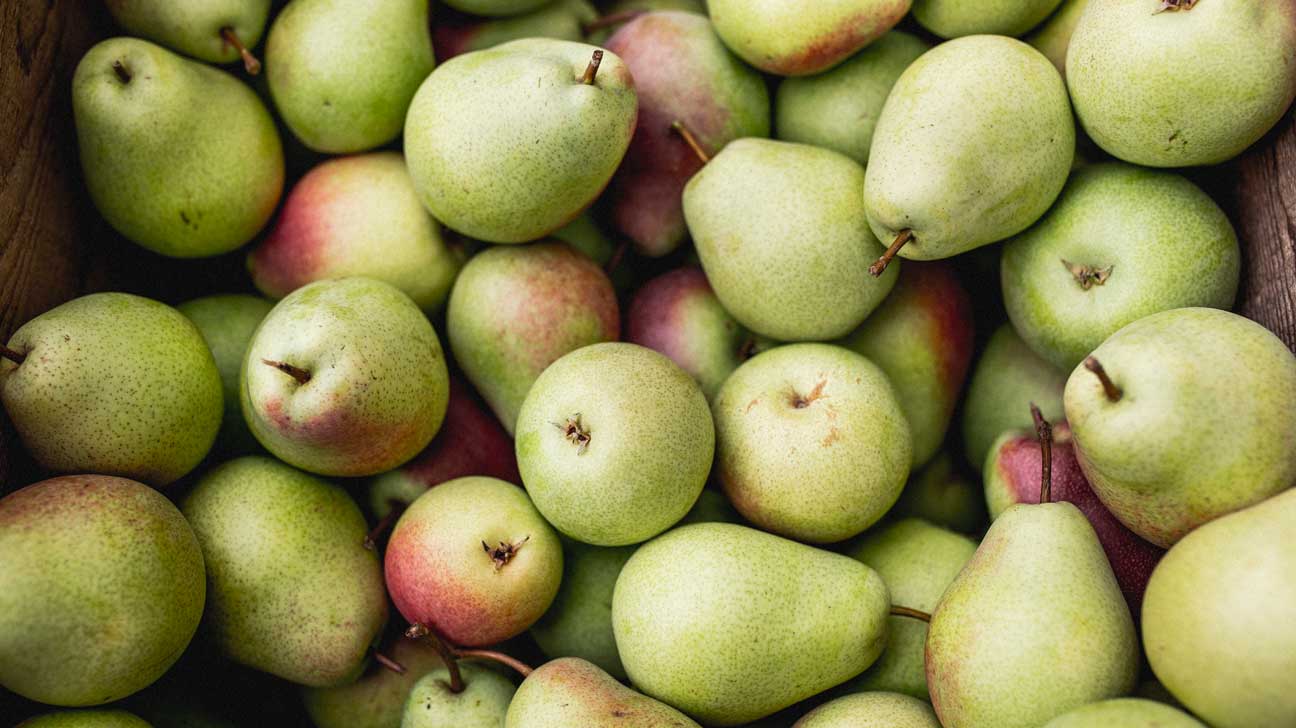
Korean fresh pear production is expected to decrease 20 percent in Marketing Year (MY) 2023/24 as adverse weather events struck orchards throughout spring flowering and into the summer. Supplies of high-quality pears are expected to be below average because of high rates of damaged fruit. Prices for pears are expected to be higher in MY 23/24, but increases will not be as dramatic as for other fresh fruits. With changing consumption patterns, aging farm population, and increasing threats from climate change, the Korean pear sector is expected to continue facing a downward trend in acreage and production.

In MY 2023/24 (July – June), Korea's fresh pear production is forecast at 200,000 metric tons. The main reason for the year-on-year decline in pear production is a 19 percent decrease in yield (reduced number of pear bags per tree) due to premature flowering in late March followed by frost damage during the early spring flowering season, which reduced fruit set.
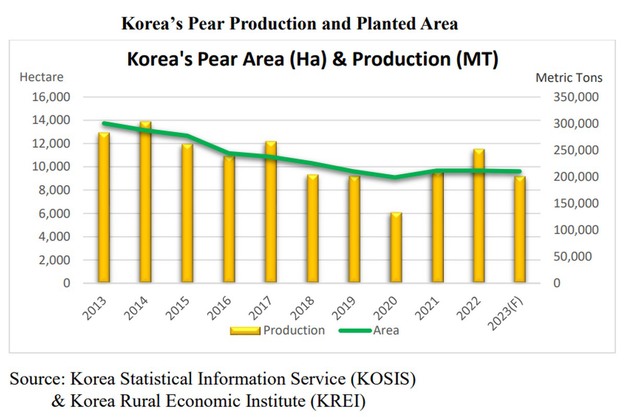
Subsequently, the pear crop endured an onslaught of adverse weather conditions during the fruit growing season, including frequent heavy rainfall, hail, and extreme heatwaves. The adverse weather conditions in 2023 are also expected to negatively affect other major domestic fruit crops such as apple, peach, and persimmon, resulting in an overall decrease in Korea’s total fruit production of about 10 to 20 percent. Deciduous fruit production in Korea is particularly vulnerable to climate change, as extreme weather events like those seen in 2023 become increasingly frequent. The last time similar weather occurred in MY 2020/21, it resulted in record low production of 132,580 MT.

Source - https://www.freshplaza.com

02.09.2026

Philippines - Bayambang declares state of calamity over P31-M agricultural losses

The municipal council of Bayambang has placed the town under a state of calamity after Tropical Storms “Luis” and “Maymay” and the enhanced southwest monsoon, or habagat, caused more than P31 million in agricultural losses.

02.09.2026

USA - Lynndyl farmers assess crop losses after 100 mph winds and hail

Farmers in and around Lynndyl are beginning to assess severe losses after a powerful weekend storm ripped through fields with destructive winds and hail just as some crops were nearing harvest.

02.09.2026

USA - New Insurance for Breeding Heifers

New LRP Coverage Aims to Reduce the Risk of Retaining Heifers for Breeding.

02.09.2026

Corn's $6 Surprise Could Change the Profit Math for U.S. Farmers

Corn may already be worth more than the board suggests as farm payments and incentives add about 52¢ per bushel to producer revenue.

02.09.2026

Philippines - Iloilo turns over P10M for farm, fishery insurance

The Iloilo provincial government has turned over P10 million to the state-owned Philippine Crop Insurance Corp. (PCIC) to expand insurance protection for farmers and fisherfolk vulnerable to losses from El Niño, La Niña, typhoons, pest infestations and other calamities.

02.09.2026

India - AP sees 1,263% rise in non-loanee crop insurance

The State witnessed a remarkable 1,263% jump in non-loanee farmer registrations, with their participation rising from 2 lakh in the previous Kharif season to 25.26 lakh farmers this year.

01.09.2026

South Africa - Grain SA calls for affordable crop insurance as dry weather threatens Swartland wheat

Severe rainfall shortages threatening the Swartland wheat crop have highlighted the need for government support to make crop insurance affordable for dryland producers.

01.09.2026

USA - Florida farms face nation’s highest disaster loss rate

Natural disasters destroy billions of dollars in U.S. agricultural production each year. From drought and wildfires in the West to hail in the Midwest and hurricanes in the Southeast, farms lose an average of $5.1 billion in crops and livestock annually, according to the Federal Emergency Management Agency.