The Gyeonggi-do Agricultural Research and Extension Services will launch the "Early Prediction Service for Adverse Environments Based on Crop Biometric AI" on June 25, which uses artificial intelligence (AI) to detect and notify farmers of abnormal signals sent by crops before the onset of pest and disease damage.
Last year, the Gyeonggi-do Agricultural Research and Extension Services was selected for the "Digital-Based Social Issue Resolution Project" hosted by the Ministry of Science and ICT. In collaboration with the National Information Society Agency (NIA), Kangwon National University, Jeonbuk National University, Pusan National University, and Montage Inc., the center developed an AI model to predict crop damage risks, such as pests, diseases, cold, and drought. This model was designed to comprehensively analyze various data, including crop biometric information, and, starting this year, incorporates biometric data collected in the field to further enhance prediction accuracy.
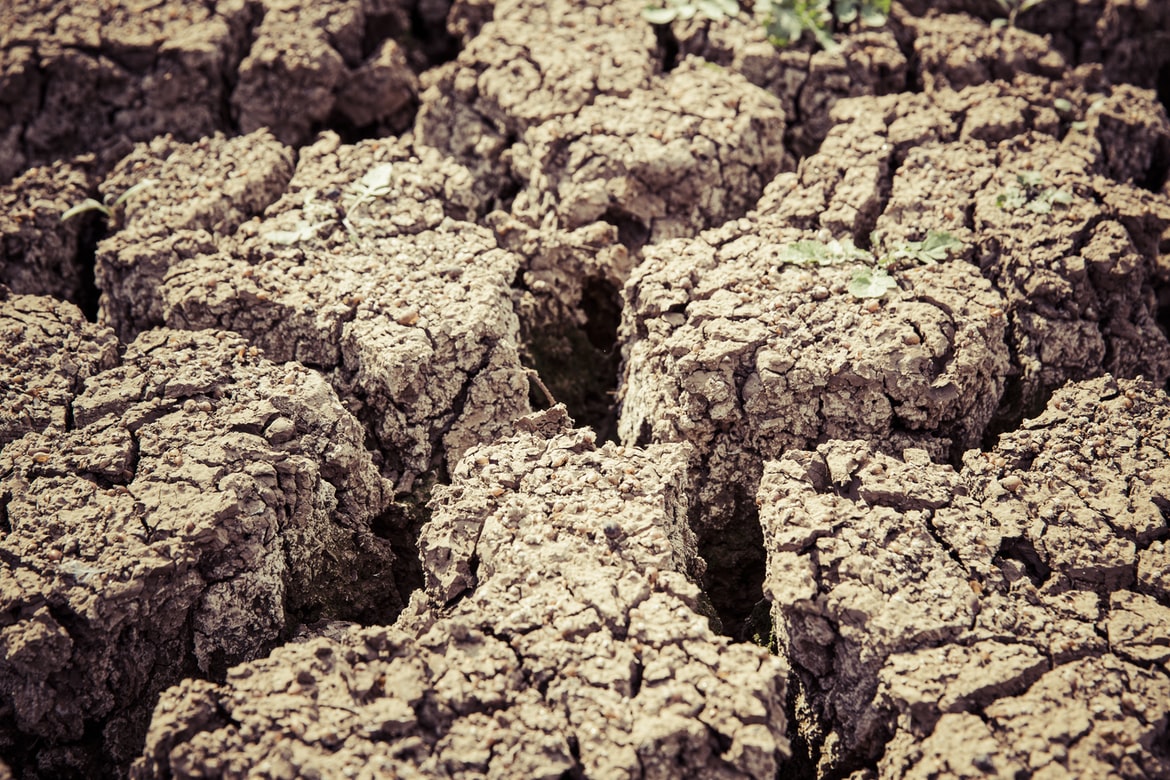
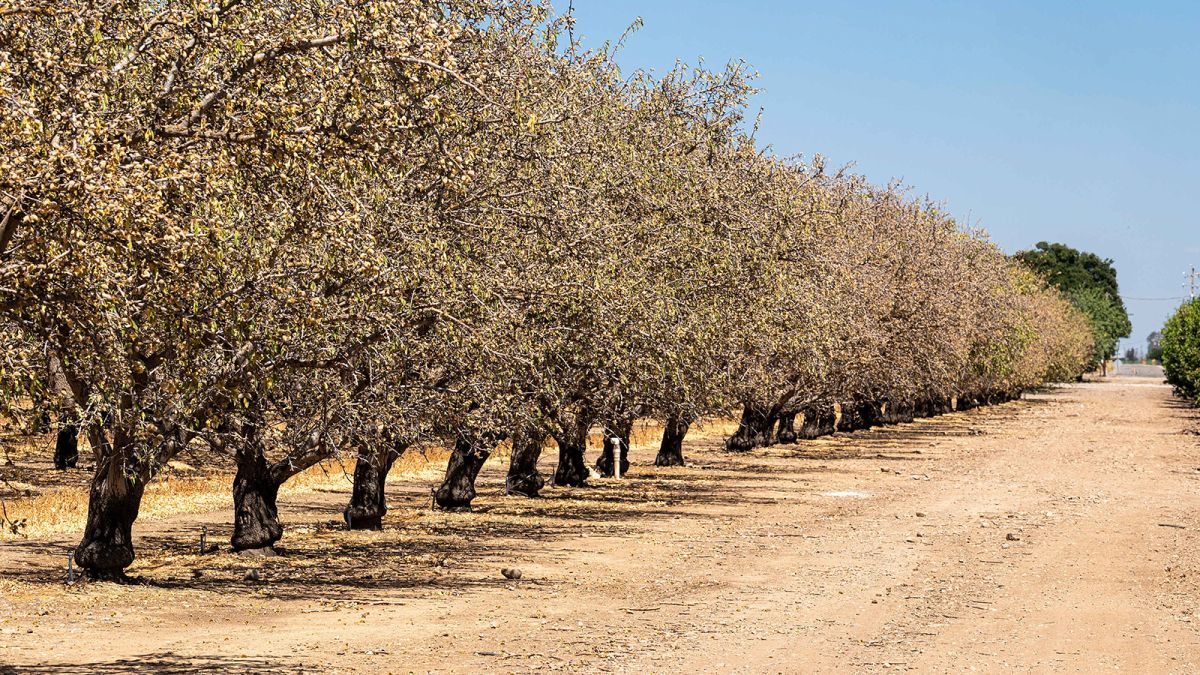
Crops initiate internal defense responses when exposed to adverse environments like pests, diseases, cold, or drought, even before any visible damage occurs. The system analyzes changes in gene expression during this process to detect risk signals. Additionally, it integrates weather data, monitoring information from the National Crop Pest Management System (NCPMS), agricultural news, and more to predict regional risk levels and provide response strategies.
This year, the service will be operated in four key regions—Gyeonggi, Gangwon, Jeonbuk, and Gyeongnam—as well as in partnership with 16 city and county agricultural technology centers within Gyeonggi-do. The Gyeonggi-do Agricultural Research and Extension Services will continuously provide risk prediction information and plans to further improve judgment accuracy by incorporating weekly analyzed crop biometric data into the prediction model during the growing periods of rice and soybeans.
Regional predictions for pests, diseases, and adverse environments can be accessed via the web platform (plant119.kr/cropai), which is connected to the Gyeonggi-do Agricultural Research and Extension Services Cyber Plant Clinic. Risk levels are presented in four stages—'Alert,' 'Caution,' 'Forecast,' and 'Normal'—and the platform also provides the basis for assessment, on-site verification items, and tailored response methods for each pest and disease.
Jo Jeongju, Director of the Gyeonggi-do Agricultural Research and Extension Services, stated, "This service will serve as a turning point in shifting agricultural response from post-incident measures to proactive prediction. Going forward, we plan to further segment prediction information to the city and county level, expand target crops and prediction items, and develop it into a more precise, region-specific forecasting service."
Source - https://www.asiae.co.kr