Spain - "Catastrophic" chestnut campaign in Extremadura

09.11.2023 501 views

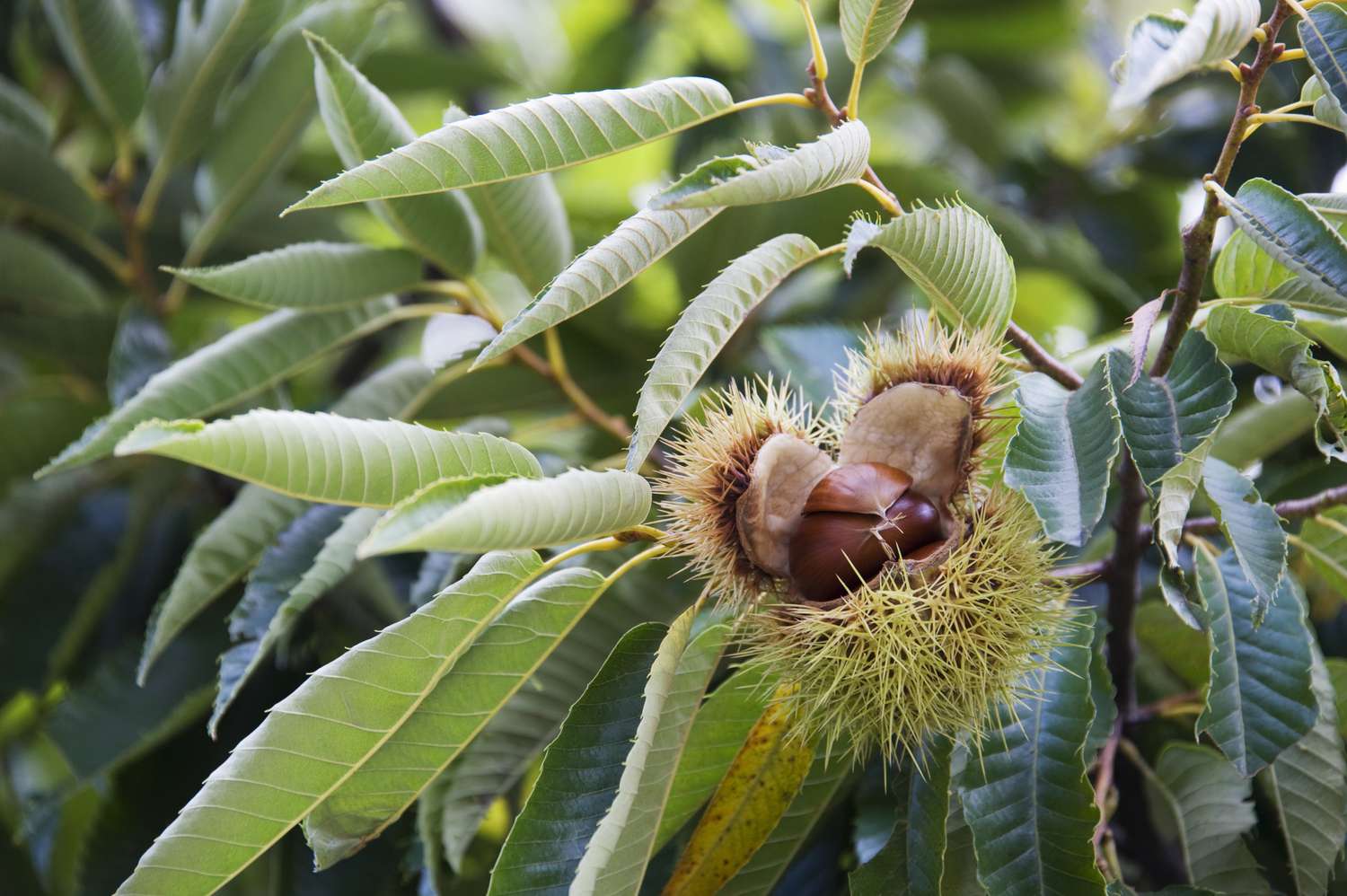
UPA-UCE Extremadura has described this season's chestnut harvest as "catastrophic", with an almost 40% drop in the production compared to the previous year. "The impact of climate change has been very significant in chestnut producing areas this season."

"The drought we are suffering, with long periods of high temperatures followed by rains, which have facilitated the appearance of fungi, mainly in the area of Piornal and Barrado, has caused cracking and, consequently, shortages. We are seeing the consequences of increasingly accelerated and potentially harmful climate change in chestnut trees. This isn't just a threat to the crops, but to the survival of rural areas, affecting both producers and harvesting and processing firms of Extremadura," said UPA-UCE Extremadura.

Jorge Bermejo, producer of seven varieties of chestnuts in Navaconcejo, agrees that this will be a "difficult" campaign, with much fruit that has had to be left unharvested due to the appearance of fungi and diseases. The producer stresses that this year's rains have caused much more cracking, which reduces the value of chestnuts and results in more limited harvest volumes. Bermejo estimates that around 20% of their production will be lost this campaign, in which "the setting has been affected by drought and the sap supply was cut due to the spring rains."

UPA-UCE also reports that the presence of the wasp moth continues to cause declines in the production and income of chestnut producers. "This pest has again caused damages to chestnut trees and the fruit this year," lamented UPA-UCE.

Given this situation, UPA-UCE believes that the administrations should act and approve lines of direct support to facilitate research and the finding of treatments against disease pests, as well as to protect the growers' incomes. "This sector needs guarantees for the future, given the environmental and economic benefits it provides, while also allowing the region's mountain areas to remain populated," they said.

Source - https://www.freshplaza.com

02.09.2026

Philippines - Bayambang declares state of calamity over P31-M agricultural losses

The municipal council of Bayambang has placed the town under a state of calamity after Tropical Storms “Luis” and “Maymay” and the enhanced southwest monsoon, or habagat, caused more than P31 million in agricultural losses.

02.09.2026

USA - Lynndyl farmers assess crop losses after 100 mph winds and hail

Farmers in and around Lynndyl are beginning to assess severe losses after a powerful weekend storm ripped through fields with destructive winds and hail just as some crops were nearing harvest.

02.09.2026

USA - New Insurance for Breeding Heifers

New LRP Coverage Aims to Reduce the Risk of Retaining Heifers for Breeding.

02.09.2026

Corn's $6 Surprise Could Change the Profit Math for U.S. Farmers

Corn may already be worth more than the board suggests as farm payments and incentives add about 52¢ per bushel to producer revenue.

02.09.2026

Philippines - Iloilo turns over P10M for farm, fishery insurance

The Iloilo provincial government has turned over P10 million to the state-owned Philippine Crop Insurance Corp. (PCIC) to expand insurance protection for farmers and fisherfolk vulnerable to losses from El Niño, La Niña, typhoons, pest infestations and other calamities.

02.09.2026

India - AP sees 1,263% rise in non-loanee crop insurance

The State witnessed a remarkable 1,263% jump in non-loanee farmer registrations, with their participation rising from 2 lakh in the previous Kharif season to 25.26 lakh farmers this year.

01.09.2026

South Africa - Grain SA calls for affordable crop insurance as dry weather threatens Swartland wheat

Severe rainfall shortages threatening the Swartland wheat crop have highlighted the need for government support to make crop insurance affordable for dryland producers.

01.09.2026

USA - Florida farms face nation’s highest disaster loss rate

Natural disasters destroy billions of dollars in U.S. agricultural production each year. From drought and wildfires in the West to hail in the Midwest and hurricanes in the Southeast, farms lose an average of $5.1 billion in crops and livestock annually, according to the Federal Emergency Management Agency.