Spain - Current phytosanitary status of greenhouse tomatoes in the province of Almería

30.10.2023 525 views

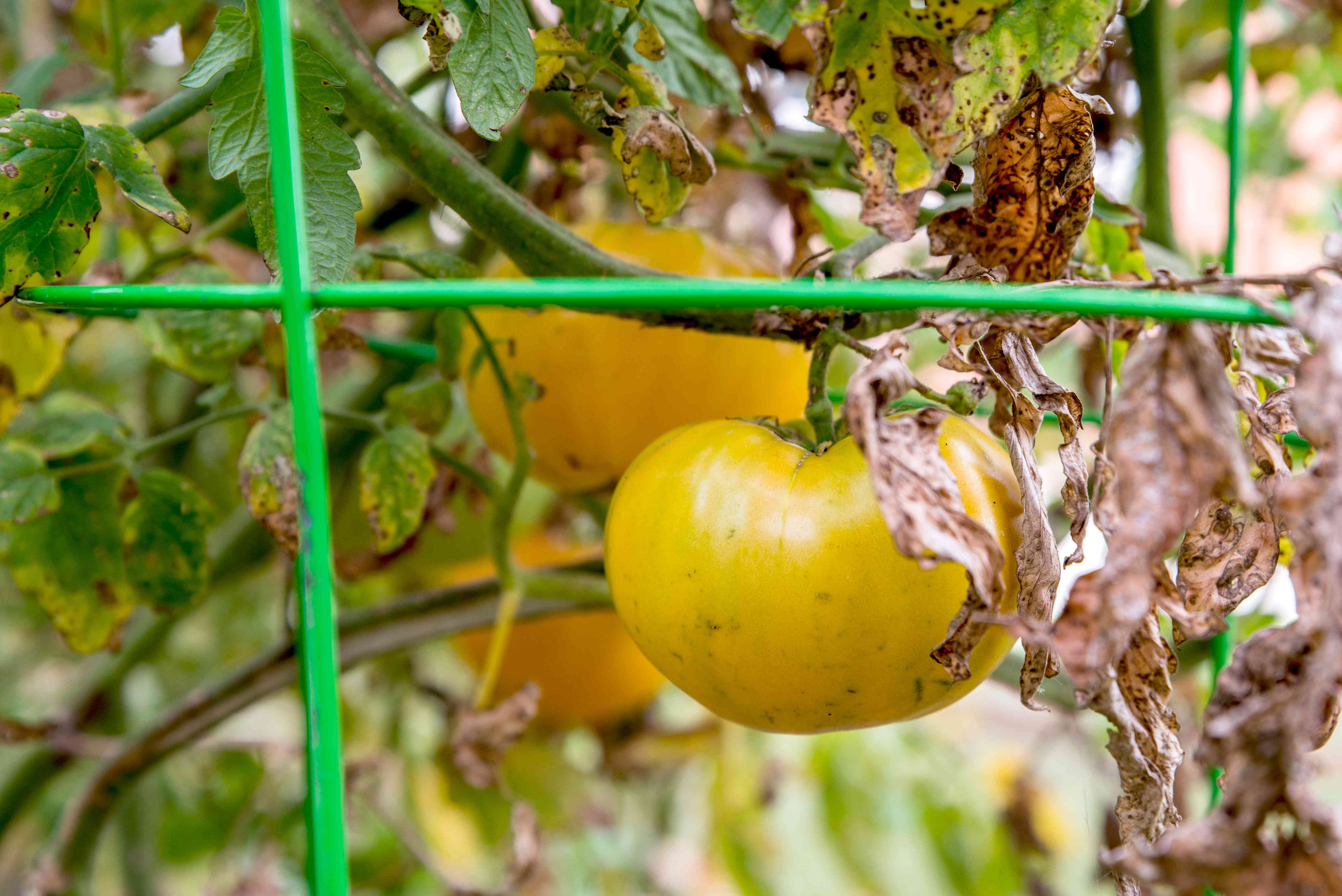
According to a recent report by Andalusía's Alert and Phytosanitary Information Network (RAIF), the dominant phenological state of greenhouse tomato cultivation in the province of Almeria is fruit fattening. The crops' phenological state in the interior of the province is more advanced, reaching the fattening/start of fruit ripening.

At the moment, the most relevant pests and diseases in the crop are:

Whitefly (Bemisia tabaci) is present in all the greenhouses sampled, regardless of the phenological state in which it is found. As a result of the indirect damage it causes as a virus transmitter, symptoms of the Tomato yellow leaf curl virus (TYLCV) have been detected, although in a small number of plants and plots. One of the most important predators (biological control organisms) in the control of this pest is Nesidiocoris tenuis, which is present in all the greenhouses sampled.

Low levels of tomato russet mites (Acuops lycopersici). Small foci are observed in 1 out of 3 sampled greenhouses, and producers should carry out recommended practices such as sulfurization of plants to minimize their expansion.

There's a mild presence of red spider (Tetranychus urticae). It can be present at any time of the year, but it's more common from spring to autumn, as its proliferation is favored by low relative humidity. Taking into account the recommendations of integrated pest management, to favor the control of this pest it is essential to eliminate weeds and crop residues that can act as a reservoir for the crop.

The majority (2 out of every 3) of the samples taken in the greenhouses showed the presence of the tomato moth (Tuta absoluta), but at the moment there is no damage to the fruit. As preventive measures, it's very important to introduce reservoir plants inside the greenhouse, which serve as a food source for the native auxiliary fauna in it, especially for Necremnus tutae. In addition, it's essential to install sexual confusion wires to control the first adult flights. The release of auxiliary insects in the seedbed, such as Nesidiocoris tenuis, is also effective in promoting their control.

Producers have started to detect symptoms of Cladosporiosis (Fulvia fulva) on the leaves. Sampling must be carried out throughout the crop cycle, as the environmental conditions inside the greenhouse are conducive to its development. The preventive measures that can be taken to prevent the entry of this disease are to remove and destroy the damaged plant organs, avoid excess foliage on the plant, and properly fertilize the planting, preventing it from having excess vigor.

Source - https://www.freshplaza.com

18.01.2026

India - Bihar Launches Online Crop Loss Compensation Scheme: Farmers Can Claim ₹7,500–₹10,000 per Hectare

The Bihar government has announced financial assistance for farmers affected by crop losses under the Bihar State Crop Assistance Scheme. 

18.01.2026

Afghanistan - $30m new cold storage facility opens in Kabul to boost agriculture

The Ministry of Agriculture, Irrigation and Livestock (MoAIL) has inaugurated a new cold storage facility in Kabul, saying it will help reduce agricultural waste, cut imports, and strengthen the economy.

18.01.2026

Pakistan frost wipes out 65% of tomato crop in Khushab district

A frost event damaged standing tomato crops across villages, including Kathha Saghraal, Kathha Misraal, and Kotli Rajgan in the foothills of Daman-e-Mahaar in Pakistan's Khushab district. Fields that had been producing red and green tomatoes were affected within a short period, with plants showing dried leaves and damaged stems.

18.01.2026

Ireland Leads Europe in Regenerative Ocean Farming

Ireland is leading a new EU-backed initiative to scale sustainable seaweed farming while restoring marine ecosystems across Europe. The SEAGROW project is funded by the European Maritime, Fisheries and Aquaculture Fund and is coordinated from Ireland by Óir Na Farraige. The project aims to improve productivity in seaweed cultivation while enhancing biodiversity and ecosystem health.

18.01.2026

India needs fertiliser pricing reforms to restore soil health

India needs to urgently restore the health of its soils to improve crop health and human nutrition through a combination of approaches, including policies for rationalising fertiliser pricing, a new paper said. It also called for the development of precise, customised and site-specific fertilisation solutions, complemented by appropriate agronomic practices.

18.01.2026

China issues action plan to speed up agricultural modernization

China seeks to speed up agricultural modernization over the next five years by establishing demonstration zones that leverage deepened reforms and technological innovation to enhance production capacity, as well as the quality and efficiency of agricultural output.

15.01.2026

Soil-based method can stop locust swarms from destroying crops

"They're very destructive when there's a lot of them, but one-on-one, what's not to love?" says Arianne Cease. She's talking about locusts.

15.01.2026

Fifty French farmers arrested after storming agriculture ministry building in Paris

Around 100 members of the Confédération Paysanne union entered a section of the ministry, which they occupied for an hour to denounce the government's agricultural policy.