The arrival of storm Adam on the Mediterranean coast has brought heavy rainfall that has hit the Valencia region hardest, particularly the coastlines of the provinces of Valencia and Alicante, though the inclement weather has also hit other regions including Andalusia, Catalonia, and the Balearic Islands. The most severe episode of torrential rain started over the weekend, with the most devastating effects recorded between Sunday 18 and Monday 19. Cumulative rainfall reached an extraordinary 700 liters per square meter in some areas, and six people have lost their lives.
The situation is particularly difficult in the south of the province of Valencia and the north of Alicante, especially in Oliva, Gandía, and Pego, where major flooding occurred, and more than 600 liters per square meter fell within a 24-hour period.
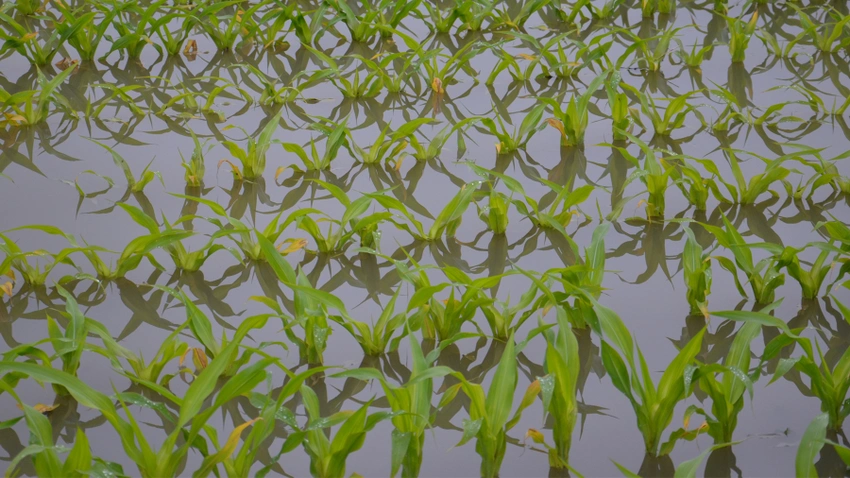
"Fields are waterlogged in the coastal areas of Oliva and Gandía, as well as in other parts of La Safor and La Marina Alta," says Abel Alarcón, grower, trader, and managing director of Brio Fruits, a company based in Real de Gandía that is just starting with the citrus season.
"Streets near the sea have flooded, but fortunately our packhouse has been spared," says Alarcón, adding that they were not as lucky 40 years ago.
The rainfall will cause direct production losses in the worst-affected areas, though it is still too early to quantify the extent. Quality issues due to excess moisture are also expected in crops that have been exposed to extreme waterlogging.
The harvesting of early-season Oronules clementines and Navelina oranges had just started when the storm struck. "Last Saturday, we made an effort to pick more ahead of the rain. We're hoping to get back to normal after Wednesday," said Alarcón, adding that the rainfall has actually been beneficial for fruit growth across most producing areas in Valencia, Alicante, and Castellón.
130 hectares of greenhouses affected in Almería
Storm Adam caused heavy rainfall in the Poniente Almeriense area on Saturday, October 17. According to provisional figures from the Agriculture and Environment Department of El Ejido Council, around 70 liters per square meter fell in approximately two hours. Around 100 hectares of greenhouses were initially affected, with damages across the municipality estimated at more than 5 million euros. Of those, agricultural holdings account for nearly 3.9 million euros.
Following initial field visits and contact with growers across the area, COAG Almería has raised its estimate of the damaged area to 130 hectares. This is still a provisional figure that may rise further as on-the-ground assessments continue. The worst damage has been reported in Santa María del Águila and Las Norias, where runoff from higher ground has caused the flooding of watercourses and dry riverbeds, sweeping soil, rocks, and sediment into farms.
Damage to farms includes partial and total flooding, water and mud ingress into greenhouses, torn cladding and structural elements, damaged retaining walls, and deterioration of rural tracks and farm access routes. In some places, the force of the water has caused structural damage and the loss of newly planted crops, right at the start of the winter season. Beyond the immediate physical damage, the organization has warned that excess moisture in the growing substrate and around root zones increases the risk of root asphyxiation, rot, and fungal proliferation. This could force growers to remove plants entirely and jeopardize production for the whole season.
Source - https://www.freshplaza.com