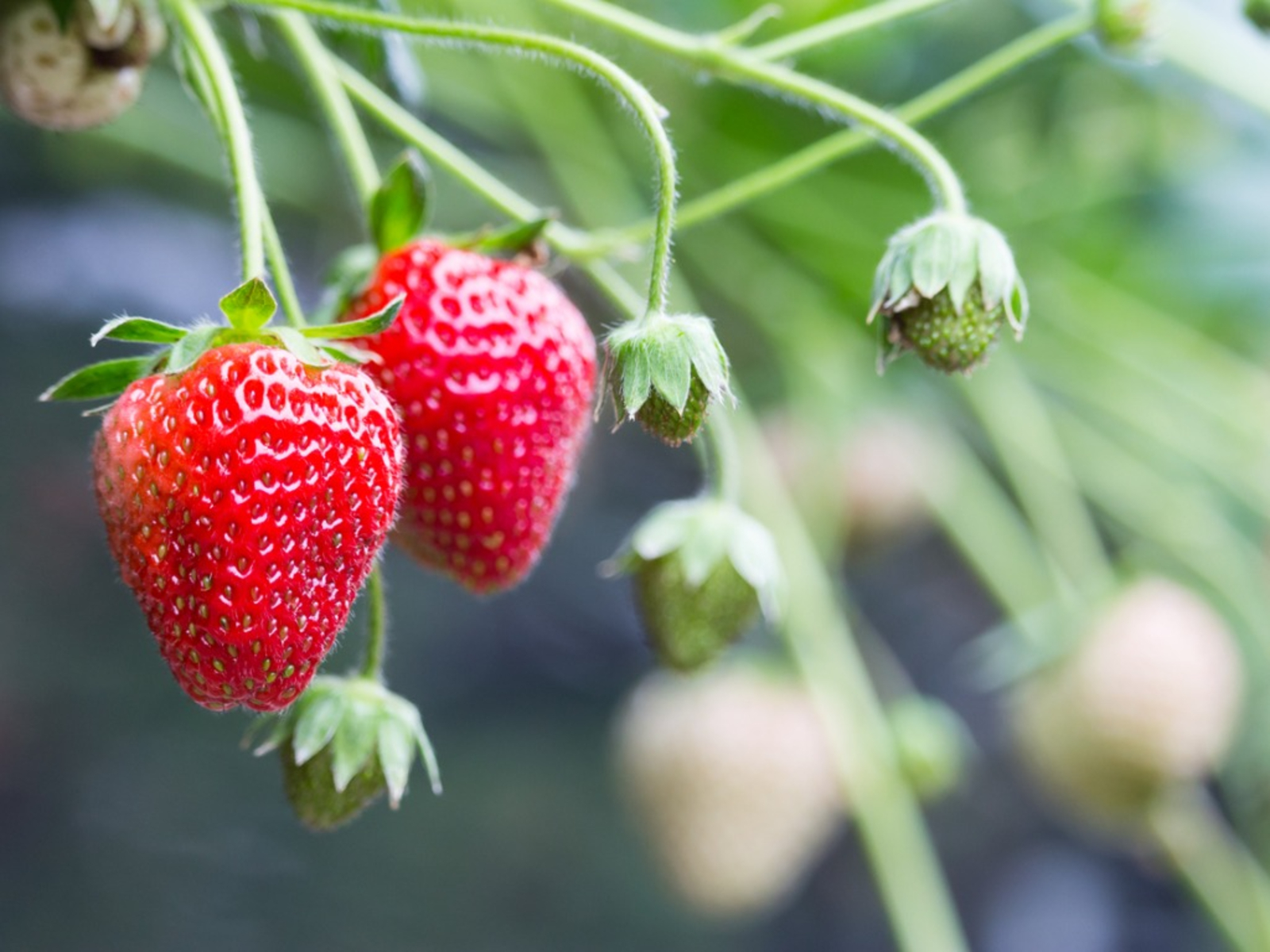
The strawberry campaign kicked off recently in Huelva, Europe's largest berry supplier during the winter and spring, and all eyes there are set on the sky, given the severe water shortage in the area, which could have a major impact on the production, with the entry into force of restrictions on access to irrigation water in 2024 if it does not rain before the spring.
"We have started the harvest with some still insignificant volumes, but soon we will have enough production available to start launching programs for this new campaign," said Victoria Martín, from the Marketing and Sales department of Plus Berries.
"This year, we are once again betting on our Candela variety, which is highly appreciated for its distinctive flavor and suitability to be shipped. The Candela strawberry is a local variety that was developed by our R&D Department, so it is fully adapted to Huelva's climate. The Candela is characterized by its intense red color, which spans from the tip to the calyx, a penetrating aroma and a sweet flavor that melts in your mouth," he said.
"The demand is very strong and prices are high at this point of the season, as the supply is still low in Huelva and the markets are emptier than usual. On the one hand, the heat and the storm in October delayed the strawberry planting in Spain. On the other hand, Morocco has suffered the impact of severe heat and blizzards, which have significantly affected its strawberry production in the northern areas and that of raspberries in the south," said Victoria Martin. The season is now also in full swing in Egypt, but its acreage has been reduced by about 15%. "All this is contributing to the market being very hungry for strawberries."
Undoubtedly, the biggest challenge for Huelva's strawberries this season is the water shortage, which is keeping the entire agricultural sector on edge. A reduction in water concessions for irrigation is expected from January 2024, and if it does not rain in the coming months, we may be forced to abandon many plantations in March, before the start of the period with higher volumes, which are usually reached in April and May, says Victoria.
Despite all this, the sector remains hopeful and optimistic, since the acreage devoted to strawberries is similar to that of the previous season. According to the marketing manager of Plus Berries, "everyone trusts that it will rain and the situation will improve. In the meantime, we are working with organizations and policy makers to get the necessary infrastructure. Agriculture is the economic engine of this province, with around 120,000 direct and indirect jobs."
"In difficult times is when ingenuity usually comes to the fore, to optimize the use of the available resources. We strive, in any case, for an efficient and rational use of water, as we are aware that we must make the most of every drop. Now is the time to continue renewing our infrastructures and get ready for the future, bearing in mind our commitment to sustainable production," said Victoria Martín.
Source - https://www.freshplaza.com