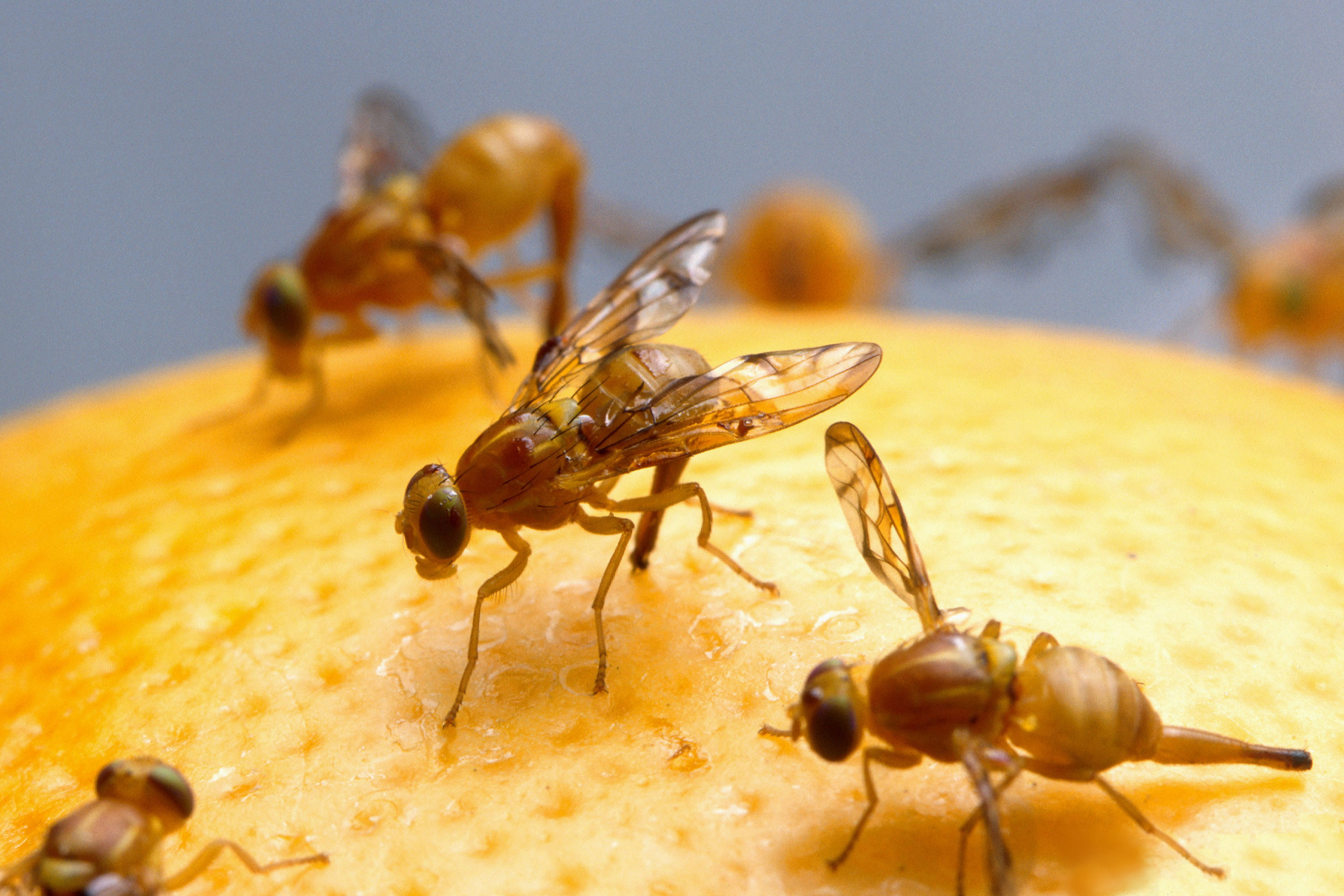
The Mediterranean fruit fly (Ceratitis capitata) has become a serious problem in this season's kaki and citrus crops after Spain experienced its hottest October on record and a warmer November than usual.
"The high temperatures have caused an outbreak of fruit flies that nobody expected at this time of the year," stated Andrea Gregori, Account Manager of Suterra. "The average temperature in Huelva, for example, ranged between 20 to 25 degrees and there was a moderate relative humidity, the perfect conditions for the fruit fly to develop and reproduce. Some kaki producers in the region have had to harvest their crops sooner than planned to prevent the fruit from being bitten by flies."
"There's also been a proliferation of fruit flies on unusual dates in the Valencian Community and Murcia. Pest pressure has caused greater damage than in previous years, both in kaki and in the medium-harvest citrus varieties, which are currently being harvested. These are significant quantities since 90% of the European kaki is produced in the region of Valencia. In Extremadura, there's also been an increase in the area affected by the parasite in fruit trees compared to last season."
"It's true that the fly will disappear from the fields once it's cold and that the temperatures still haven't dropped. However, it's also worth noting that the European Union has withdrawn many active substances from the market that producers used to fight the fruit fly much faster than it has authorized new products to fight it. Tools are removed and new tools are not introduced. In this scenario, producers have a very limited number of tools to control the fly, and they mostly belong to the same group, which can significantly hinder effective pest management."
How to control their population before it's too late
“In this case, our durable Magnet™ MED device is the ideal biocontrol system to prevent and control the fruit fly population because, among many factors, its effectiveness remains at its maximum for at least 6 months It allows producers to keep the fly population at bay throughout the season. The Magnet devices that were placed in July continue to maintain their effectiveness today, thus controlling the population of this pest until the harvest."
“Being a step ahead of the pest allows us to control their population before it's too late.”
Source - https://www.freshplaza.com