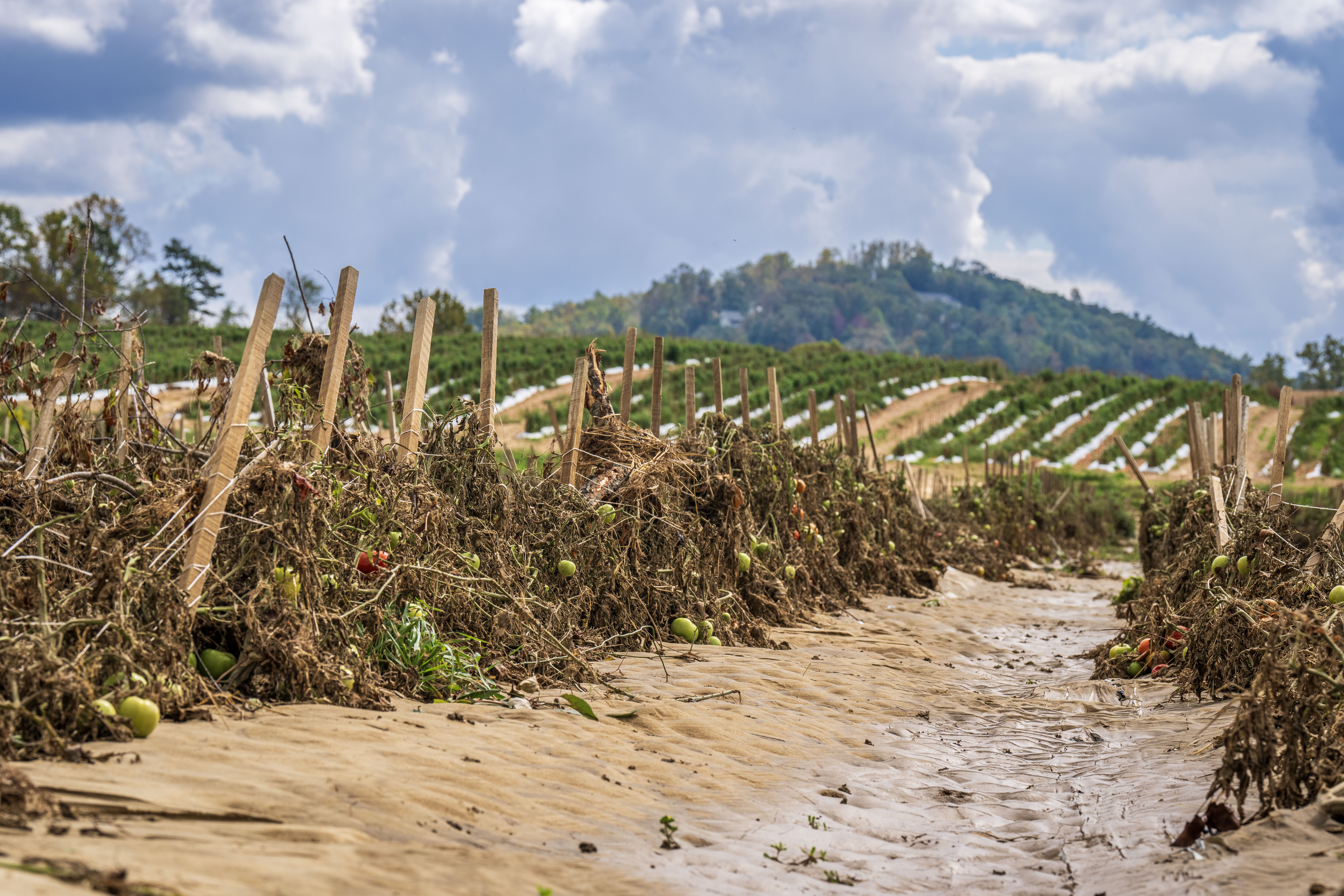
Everything points to Almeria's tomato acreage being reduced this year due, among other factors, to the fear of ToBRFV. Thus, it would help to have official data on the situation to make it possible to assess its actual gravity and whether the current alarm is justified. "Last year, here in the west of Almeria, but also in the area of Níjar and Campohermoso, we had some problems with this virus. It is not known exactly how many hectares are affected, but rumors point to about 300-400 out of the 7,000 hectares planted with tomatoes," says Dimitri Calabrese, manager of Hortoverde Nature. "If so, I don't consider the issue to be so serious; in fact, the fear of the virus is probably greater than the damage it has done. Comparatively, the Tuta absoluta pest caused more damage last season."
"The same thing has happened in Sicily. In the area of Vittoria and Pachino, the acreage devoted to tomatoes has also been reduced, although it seems that the problem there is more severe because the climate is different than in Almeria."
"Just like Sicily, Almeria is also testing the new varieties resistant to this pest. Some trials were carried out last season, and this year, our growers have continued testing them in their greenhouses, but the lack of good calibers of these varieties has been remarkable for us."
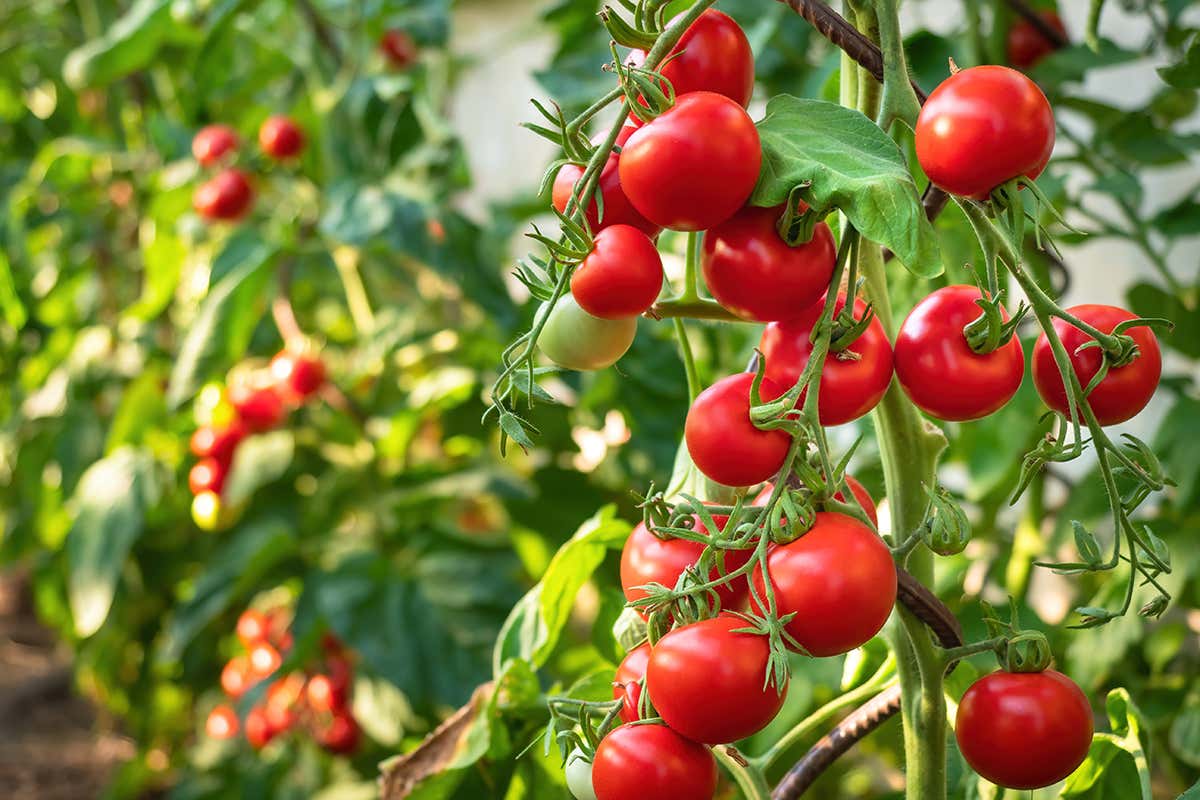
"At Hortoverde Nature, we are strongly focused on the Italian market, which demands very large calibers, not only of tomatoes, of which we grow mostly varieties on the vine but also of bell peppers. We are talking about GG and GGG sizes, so we are already talking to the buyers of supermarket chains in Italy, telling them what the situation is so that both they and consumers can be aware of what is going on with the production. Thus, we are working to ensure not only that customers accept medium sizes but also that growers will work with these varieties and give them more peace of mind," says Dimitri.
"Spain's quality/price ratio is an undeniable advantage over other origins"
The vine tomato campaign is running late this year due to the heat of previous months, a factor that has also taken a toll on bell peppers. "We have been handling small calibers since September since the high temperatures have been causing the peppers to ripen very quickly, resulting in fruits with very thin walls. However, now that the weather has changed the situation is finally going back to normal."
"As with vine tomatoes, the Italian market demands large-sized peppers, and sometimes it is not easy to get them. In general, Italy accounts for just about 5-7% of Almeria's exports. It isn't as important a destination as Germany, France, or the Netherlands, so there's no real reason to change the way in which the products are handled. When it comes to sizes, the cooperatives and large companies working with German markets are increasingly using more medium-sized bell peppers for their tricolor packs and even paying a lower price for the large sizes."
"Regarding colors, there are also differences. The Italian market demands green-streaked yellow peppers, something that is not generally done in Almeria, but which the growers we work with at Hortoverde have been obtaining to be able to meet the needs of our customers," says Dimitri.
In truth, while Italy is a large fruit and vegetable producer and there is a high consumption of domestic products adapted to the market's demands, products from Spain are very well-accepted by Italian supermarkets and consumers. "The Italian market is a bit challenging because chains tend to prioritize the supply of Italian produce and only switch to Spanish produce when there is a smaller national production. Therefore, to be able to work there, you need to know the market really well," says the manager of Hortoverde Nature.
"Nevertheless, Spanish products tend to be very popular. It's the case, for example, of the Oxhart in the tomato segment, which has traditionally been considered an Italian specialty and which we have been working with for 5 years now. There are chains, in fact, that pay more attention to the quality/price ratio, and a very high percentage of their products come from Spain; therefore, Spain has an undeniable advantage over other origins."
Source - https://www.freshplaza.com