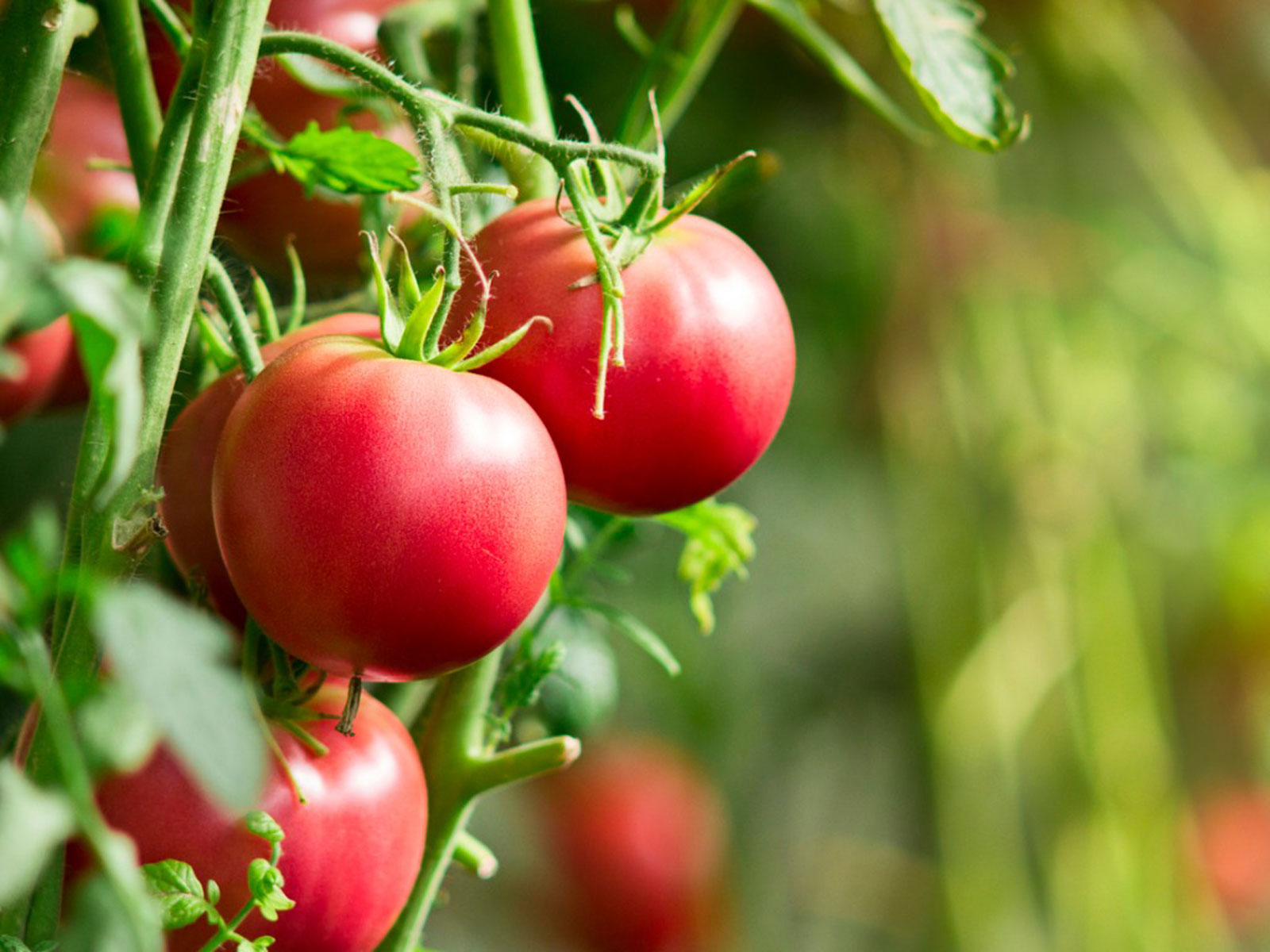
Spain - The industrial tomato sector faces more than 30 million euro in losses

14.12.2022 840 views

The Unión de Uniones de Agricultores y Ganaderos stressed the serious situation that many industrial tomato producers are facing, as their production has fallen, on average, by 60%.

"There was a really bad harvest of industrial tomatoes in the production areas of Extremadura, Andalusia, and part of Murcia due to the severe drought that has hit the crops and the plague of nematodes, which are increasingly resistant to treatments," the organization stated.

"Traditionally, there are some 28,000 hectares devoted to growing industrial tomatoes which yield some 2 million tons of product worth 210 million euro. In this campaign, the area has decreased to 17,000 hectares and the production yield has also fallen, so the sector has lost more than 30 million euro."

The Unión de Uniones blames the drought, but mainly the plague of nematodes that, in some areas, has caused producers to lose 100% of their harvest, as this disease is increasingly resistant to treatments.

"We farmers spend about 10,000 euro per hectare of tomato for the industry. After seeing how this campaign has evolved, if the plague persists, we are not going to continue risking so much on this crop," they stated.

Producers ask the government to authorize the use of plant protection products to combat the disease
The Unión de Uniones has sent a letter to the Ministry of Agriculture requesting the government authorize, on an exceptional basis, the use of 1.3-dichloropropene, a plant protection product which does work against nematode and which is already being used in Portugal.

According to the organization, producer organizations have already been participating in research with other treatments but, unfortunately, none of them have been successful, so they point out the importance of being able to use this solution.

It's also worth noting that much of the concentrated tomato imported into the European Union has been treated with this plant protection product, so there's no point in prohibiting it in Spain and putting at risk a sector that has a great impact on the sector's industry and labor.

Source - https://www.freshplaza.com

14.06.2026

Zurich Australia partners with Crop Risk Underwriting

Zurich Australia has partnered with Crop Risk Underwriting (CRU), a specialist crop insurance underwriting agency and part of the 360 Group of Companies, to provide crop insurance in Australia from June 1, 2026.

14.06.2026

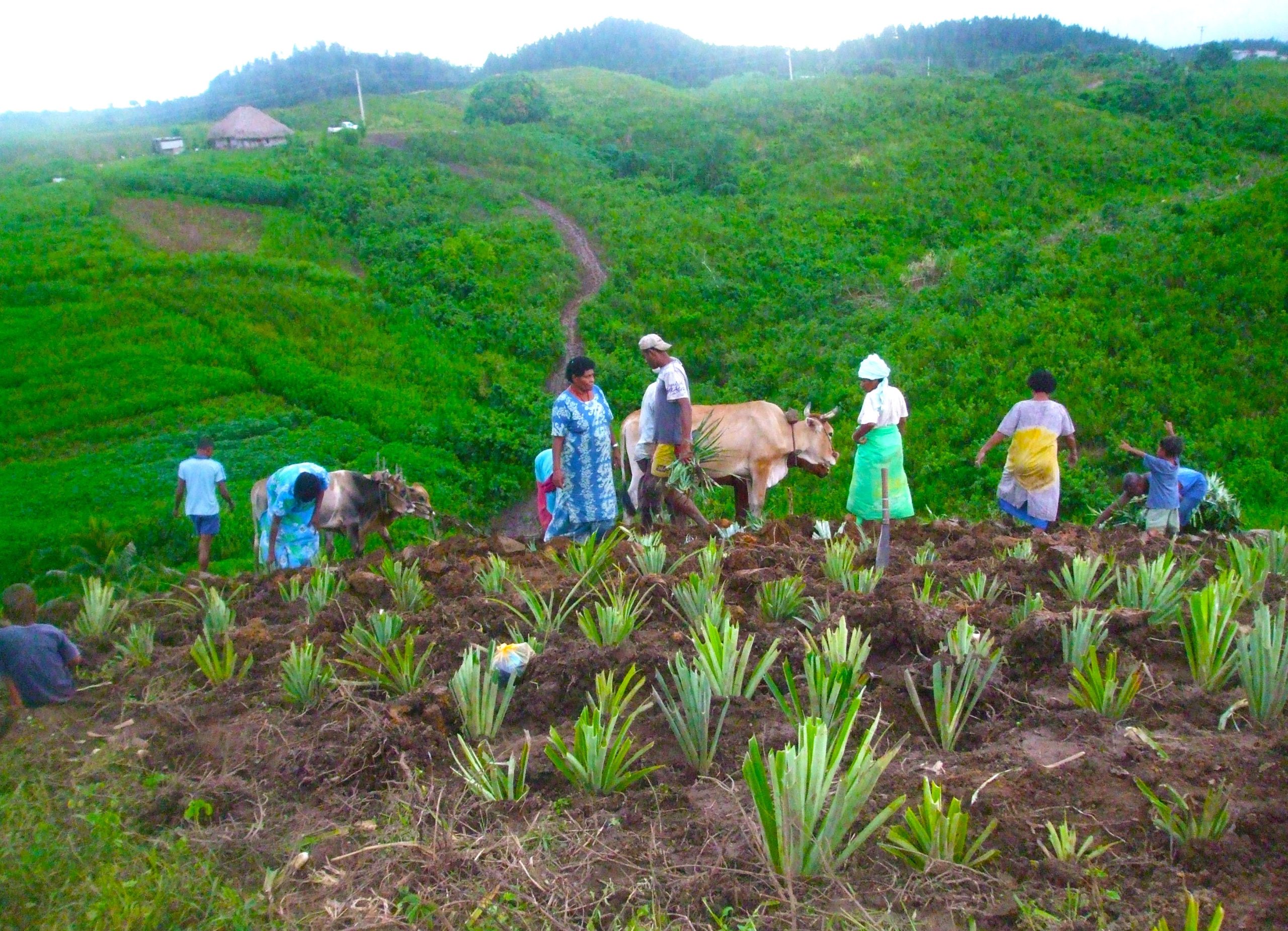
Fiji - Crop cover push: Scheme to help farmers recover faster, says Tunabuna

Over the past 10 years, natural disasters have wreaked havoc through farmlands costing Government more than $700million.

14.06.2026

Canada - Tornado warnings and hail put southeast Saskatchewan insurers on alert

A severe weather outbreak across 29 rural municipalities is set to drive a wave of home, auto and crop insurance claims.

14.06.2026

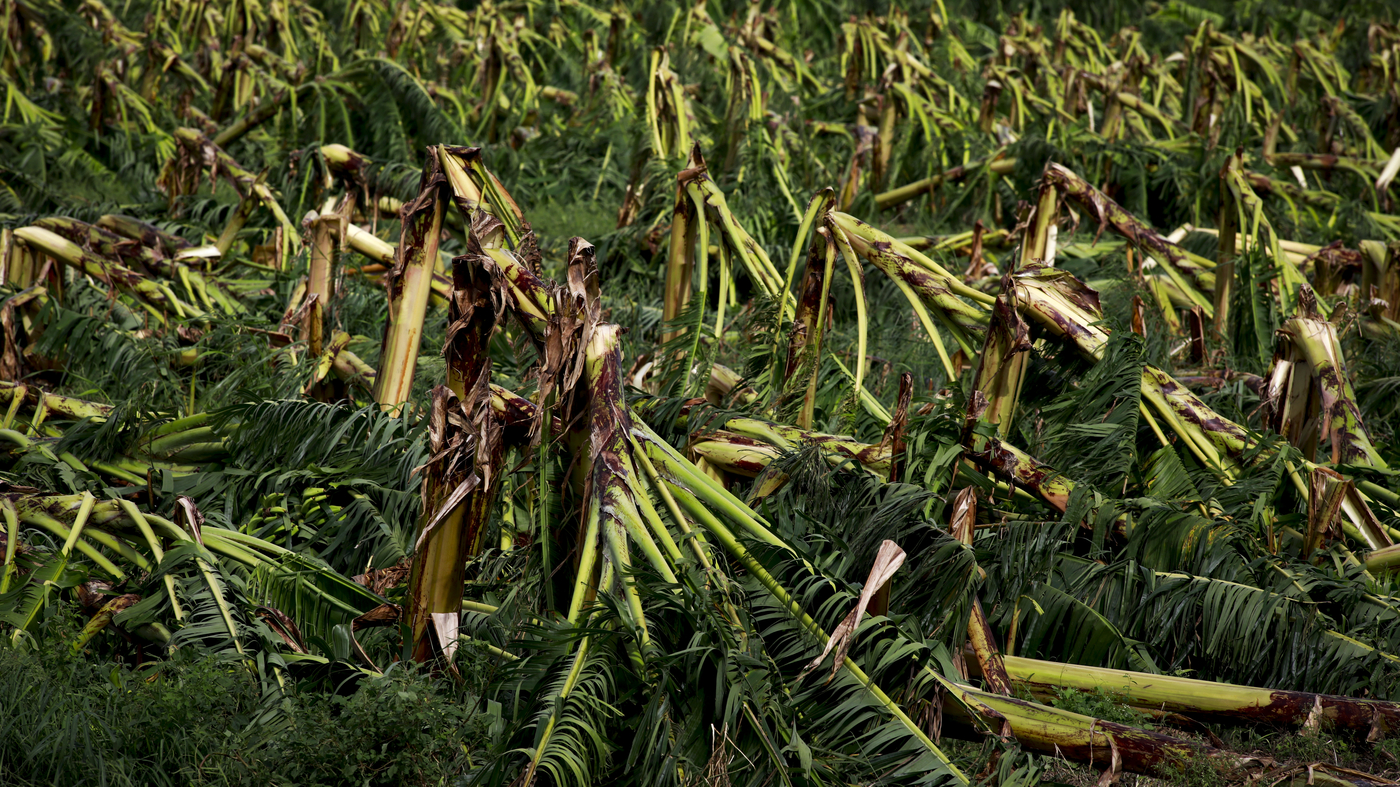
India - Maharashtra storms damage 18,121 hectares of bananas

Unseasonal rainfall, strong winds, and hailstorms have affected crops across more than 61,000 hectares in 27 districts of Maharashtra, India, with banana plantations accounting for a large share of the reported losses. 

14.06.2026

Colombia passes law to track cattle and keep deforestation-linked beef out of supply chains

Colombia has enacted a landmark law requiring the cattle industry to trace livestock and prove beef supply chains are free from deforestation, a measure environmental groups say makes it the first tropical forest country to adopt such a nationwide framework.

14.06.2026

Syngenta eyes deeper market expansion as Bangladesh agriculture embraces digital transformation

Company strengthens support for farmers through digital advisory platforms, crop insurance, mechanisation services, and climate-resilient agriculture initiatives.

04.06.2026

India - Delhi raises crop damage compensation after 10 years by over 50% to Rs 75,000 per hectare

In a major relief for farmers, the Delhi government has increased compensation for crop loss caused by rain and hailstorms from Rs 20,000 per acre to Rs 75,000 per hectare.

04.06.2026

Why Tech-Driven Agro-Insurance Has Stumbled in Ethiopia

For decades, Ethiopia’s agricultural sector has remained trapped in a dangerous paradox.