Spain - The lack of flowering could reduce Conference pear production by more than 50%

10.04.2024 588 views

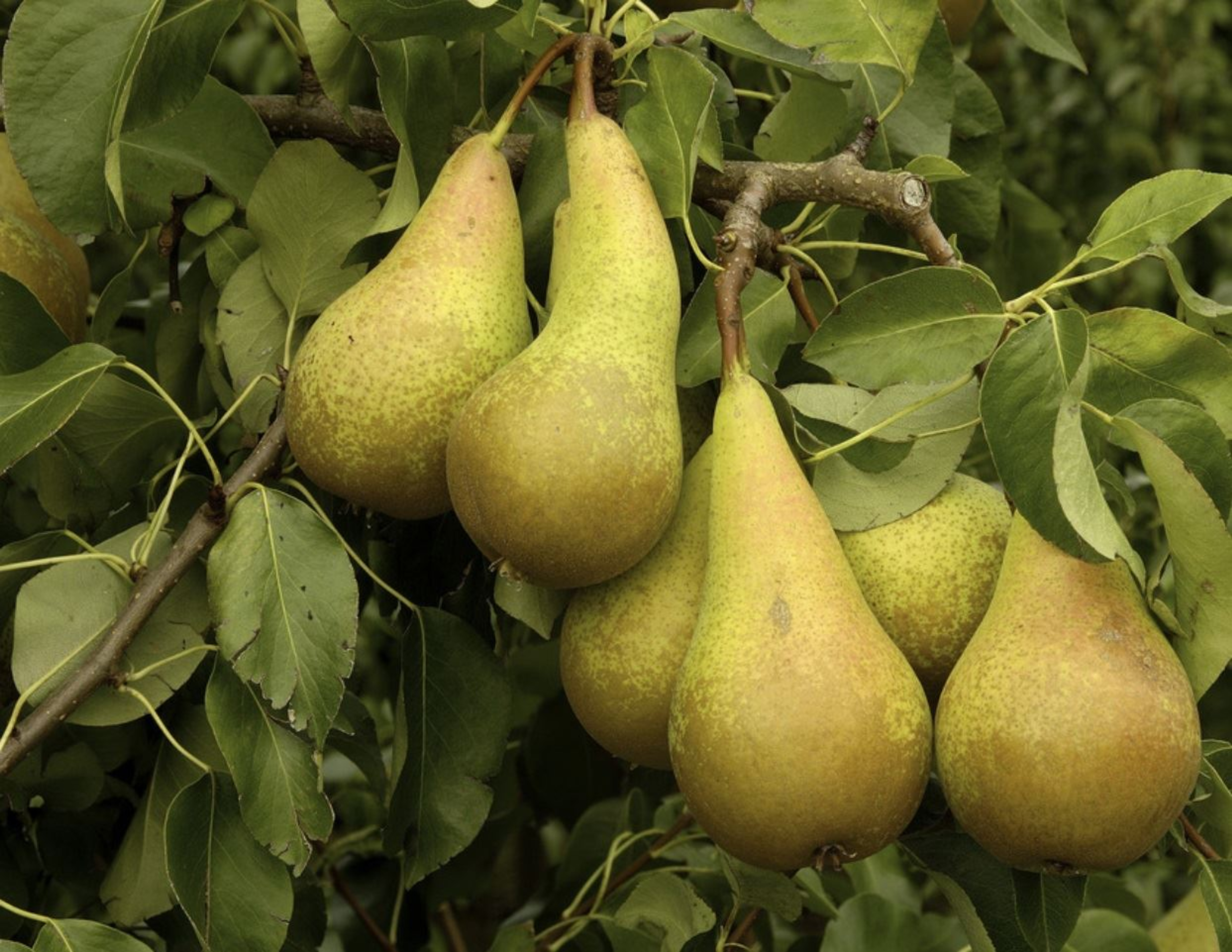
The Spanish pear sector is facing an unprecedented challenge, especially with the Conference variety, which accounts for 53% of the country's pear production and is predominant in Catalonia. From mid-March to early April 2024, there was an alarming lack of flowering in this variety, according to agronomist and fruit specialist Ignasi Iglesias, of the Agromillora Group. This phenomenon does not affect all regions uniformly, but it is particularly noticeable in key areas such as Lleida and from the Lower Ebro to Navarre, with exceptions in Rioja Alta and Bierzo (León).

Iglesias warns that, despite the fattening that may occur later, the shortage of flowering could translate into a reduction of more than 50% in production compared to an average year, a situation that will be confirmed by the end of June 2024. Some pear varieties, such as Blanquilla or Ercolini have shown normal flowering. In contrast, the Williams and Limonera varieties have presented lower production in some plots. The situation of the Conference is dire.

The problem seems to originate from a physiological disorder that prevents the transformation of flower buds into flowers, affecting plantations of all ages and on different cultivation patterns. This issue has been observed in plantations with normal irrigation and those with reduced irrigation during 2023.

The sector considers that the key factors that negatively affected flowering were the extreme weather conditions during the summer of 2023 and January of 2024, including temperatures above 40 degrees for a week in August and anomalous temperatures of 28ºC at the end of January in Lleida. In addition, in recent years the accumulation of cold hours has been shorter and more irregular, which could have contributed to the problem.

According to Montse Baró, president of the Fruit Business Association of Catalonia (Afrucat), the flowering issues are most probably due to the extreme weather conditions, the heat stress during summer, and the unusually long autumn. Technicians continue to investigate the specific causes of this troubling phenomenon.

Source - https://www.freshplaza.com

01.09.2026

South Africa - Grain SA calls for affordable crop insurance as dry weather threatens Swartland wheat

Severe rainfall shortages threatening the Swartland wheat crop have highlighted the need for government support to make crop insurance affordable for dryland producers.

01.09.2026

USA - Florida farms face nation’s highest disaster loss rate

Natural disasters destroy billions of dollars in U.S. agricultural production each year. From drought and wildfires in the West to hail in the Midwest and hurricanes in the Southeast, farms lose an average of $5.1 billion in crops and livestock annually, according to the Federal Emergency Management Agency.

01.09.2026

Luxembourg small farmer struggles with effects of high temperatures on crops

High temperatures over the summer caused an increase of certain pests harmful to vegetables.

01.09.2026

Nearly 8,000 acres of crops damaged due to dry weather in Sri Lanka

Cabinet Spokesman and Minister of Health Dr. Nalinda Jayatissa said that the estimated crop damage caused so far by the prevailing extreme dry weather conditions is nearly 8,000 acres of farmland belonging to around 7,000 farmers.

01.09.2026

Cyprus - Storm damage recorded in 183 homes as crop losses assessed

Damage to 183 homes, mainly in the Nicosia district, has been recorded following the severe weather that hit Cyprus last Saturday, the interior ministry said on Monday.

01.09.2026

USA - New USDA initiative aims to spur cattle herd rebuilding with insurance, conservation program grazing changes

New insurance options, emergency grazing authorities on Grassland Conservation Reserve Program acres, and guaranteed loans for regional meat processors are among the elements of a package unveiled by Agriculture Secretary Brooke Rollins Monday to encourage producers to rebuild the U.S. cattle herd. 

30.08.2026

Serbia's Drought Halves Crop Yields, Few Farms Insured

Drought in July and August 2026 cut yields by more than half in parts of Serbia, but only 15 percent of farmland is insured. A corn policy costs about 4,500 dinars per hectare.

30.08.2026

India - Maharashtra Approves ₹23.33 Crore Aid For 17,245 Farmers Hit By Crop Damage

The Maharashtra government has sanctioned ₹23.33 crore in relief for 17,245 farmers whose crops were damaged by floods, excessive rainfall, cyclones and hailstorms.