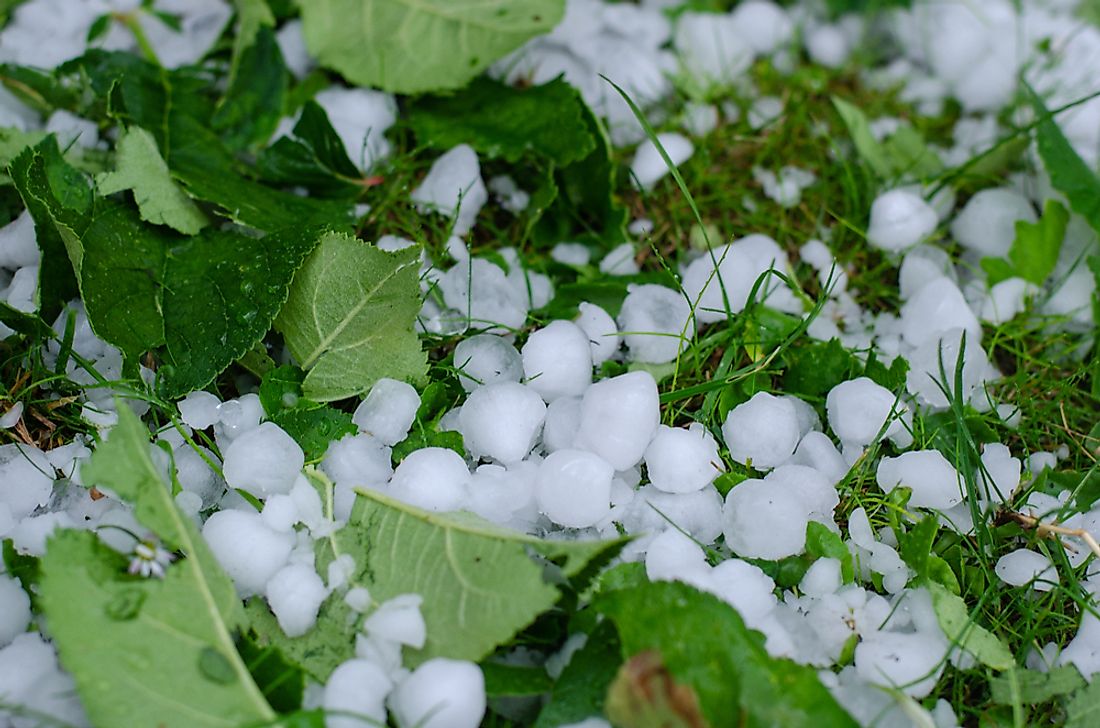
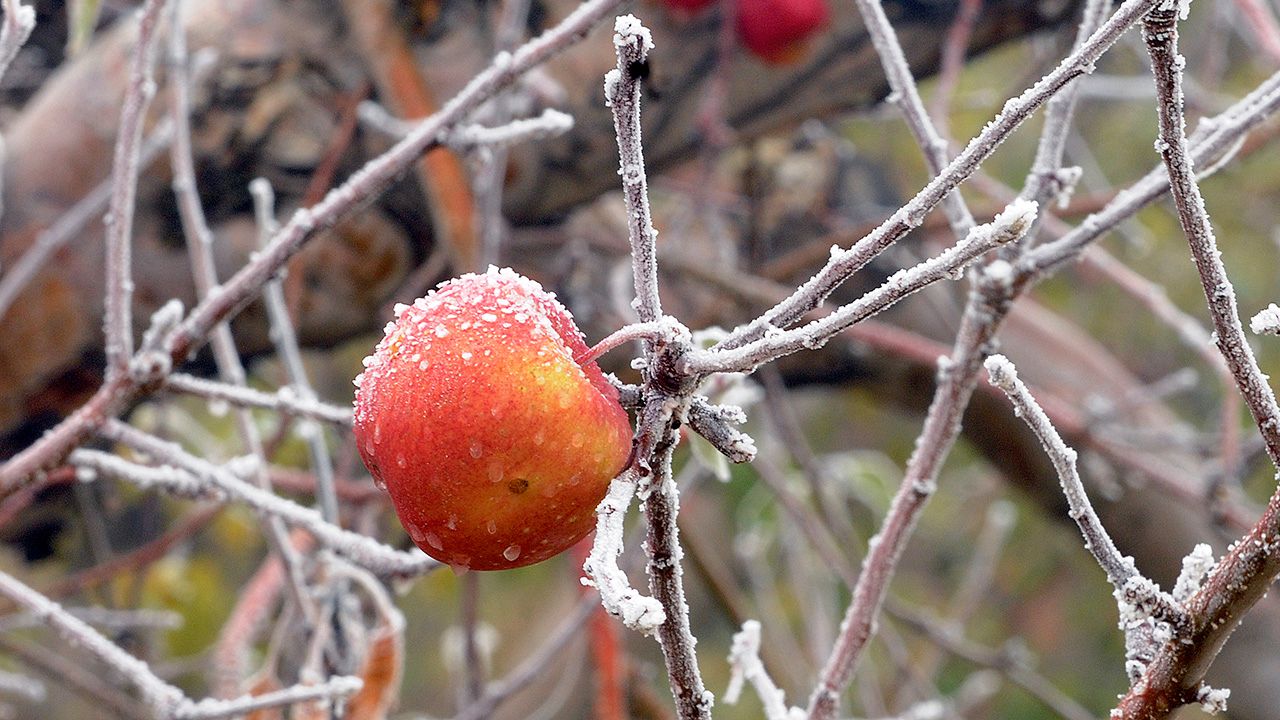
Spring frosts have affected Polish apple varieties differently this season, with some performing better than initially expected and others facing substantial losses. Adam Malengiewicz of Polish apple exporter AD Nature also points to uncertainty in sea freight and the growing difficulty of securing seasonal workers.
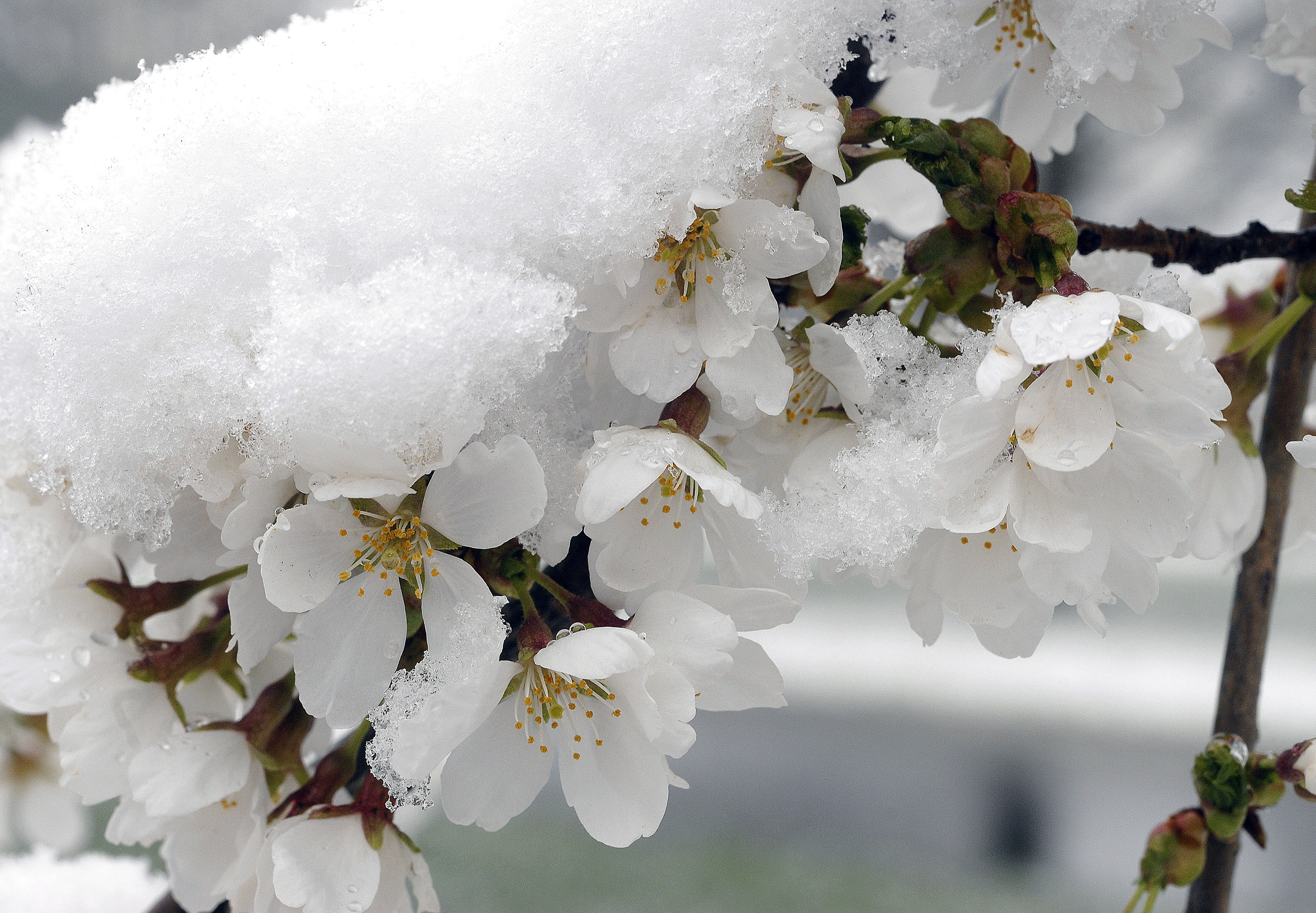
Describing how the harvest outlook changed over the season, Malengiewicz says the initial frost damage did not tell the whole story: "This season has been quite a rollercoaster. Honestly, I can't remember the last time I changed my expectations so often. After the spring frosts, we initially expected losses of up to 40%. However, as the season progressed, we noticed that varieties like Royal Gala and Golden Delicious performed surprisingly well, even without frost protection. Varieties like Red Jonaprince and Red Delicious were hit much harder, with volumes estimated to be around 25–35% lower. Of course, the situation varies significantly depending on the region and frost protection measures."
The previous season's crop load has also played a role in how trees have performed this year, according to Malengiewicz. "Another important factor is the condition of the trees. Orchards that produced heavily last year seem to have much less fruit this season, and I feel the effects of spring frosts are even more visible there," he says.
Freight and labour challenges
For exporters shipping fresh produce overseas, sea freight remains difficult to predict. Malengiewicz highlights the challenge of balancing transit times with costs on routes affected by disruptions in the Middle East: "One of our biggest challenges this season has been sea freight. The situation remains unpredictable, especially on routes affected by disruptions in the Middle East. Finding the right balance between transit time and freight costs is not easy, particularly when dealing with fresh produce."
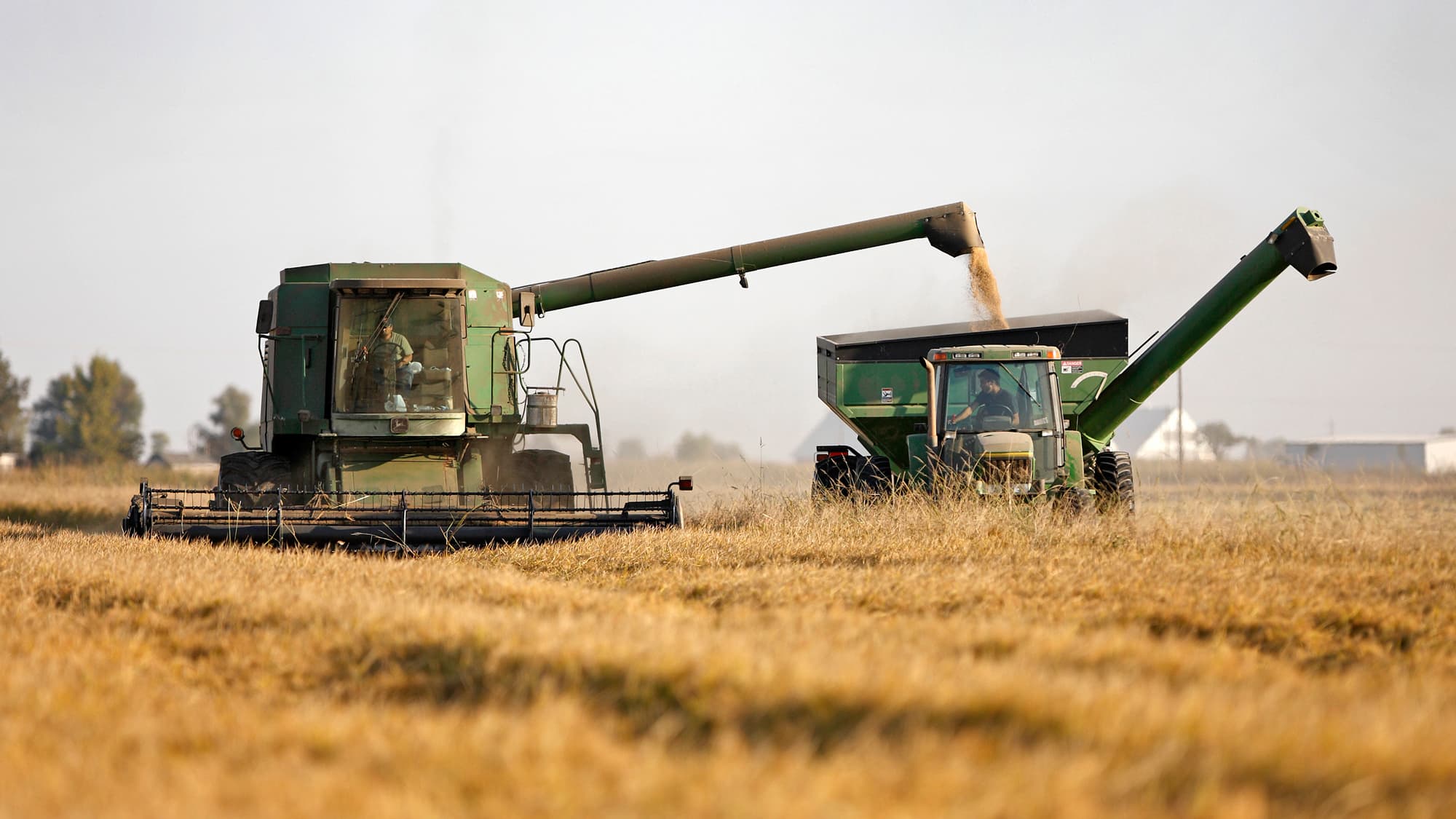
The availability of seasonal workers is another concern, even though the smaller crop has eased the immediate need for pickers. Malengiewicz worries about the situation in a year with a fuller harvest. "Another challenge is the availability of seasonal workers. This year, the situation hasn't been too bad, mainly because there are fewer apples to harvest. However, I'm genuinely concerned about what will happen when we have a full crop again. Finding enough pickers is becoming increasingly difficult, and the reality is simple: no pickers, no harvest. We try to stay flexible, plan ahead and adapt quickly to changing conditions, both in the orchards and in logistics."
Prices broadly stable
Although other exporters have said the Polish apple crop is larger than last year, Malengiewicz isn't so sure: "Personally, I wouldn't say this year's Polish apple crop is larger than last year's. From my perspective, overall volumes seem quite similar or lower, although there are significant differences between varieties and regions. As for prices, I don't see any major changes either. So far, they remain at levels fairly similar to last season."
Processing apples not a current focus
AD Nature currently focuses on fresh-market apples and exports, so Malengiewicz says he cannot assess the processing sector's influence on export availability in detail. He does, however, see processing as a possible area for future business development. "It's difficult for me to judge the effects of the processing sector, as processing apples represent only a small part of our production. We're currently focused mainly on fresh market apples and exports, rather than the processing sector. However, it's definitely a segment I'd consider getting involved in in the future as we continue to develop our business."
Source - https://www.freshplaza.com