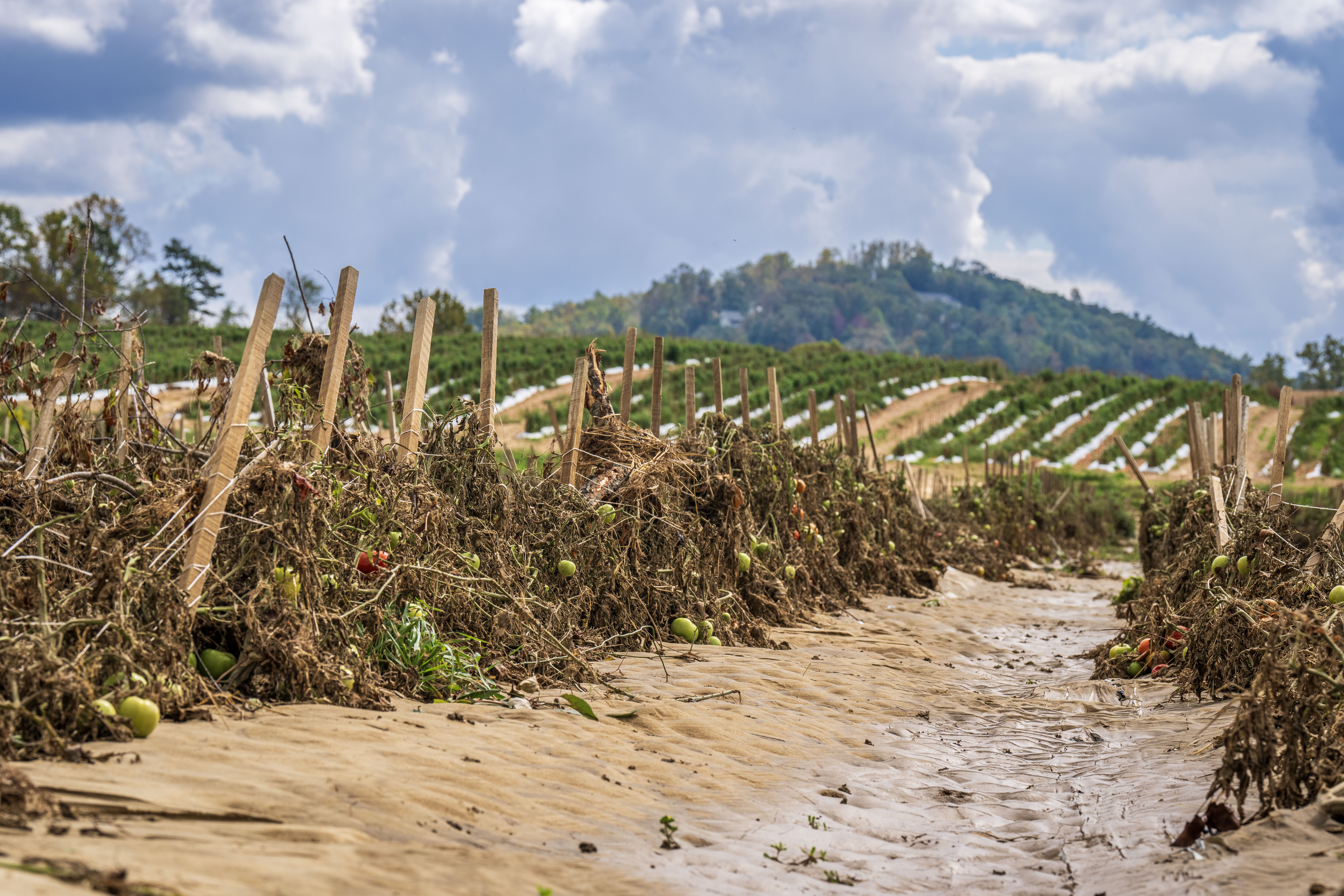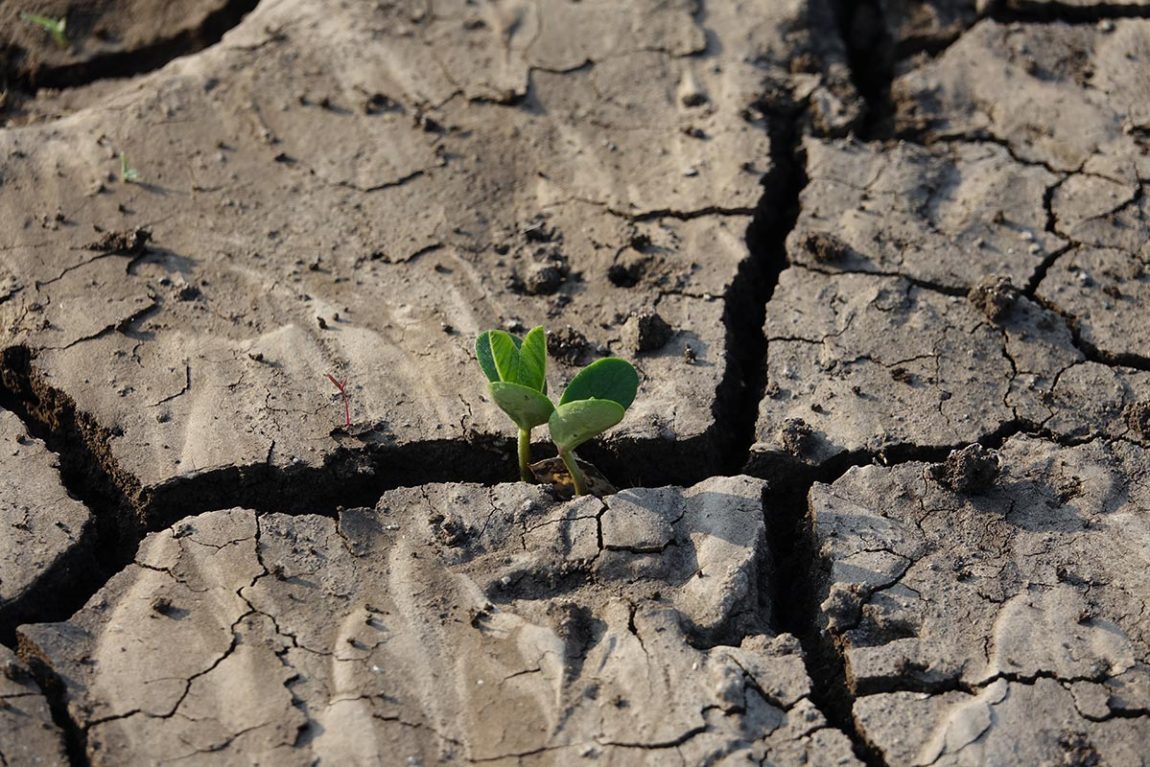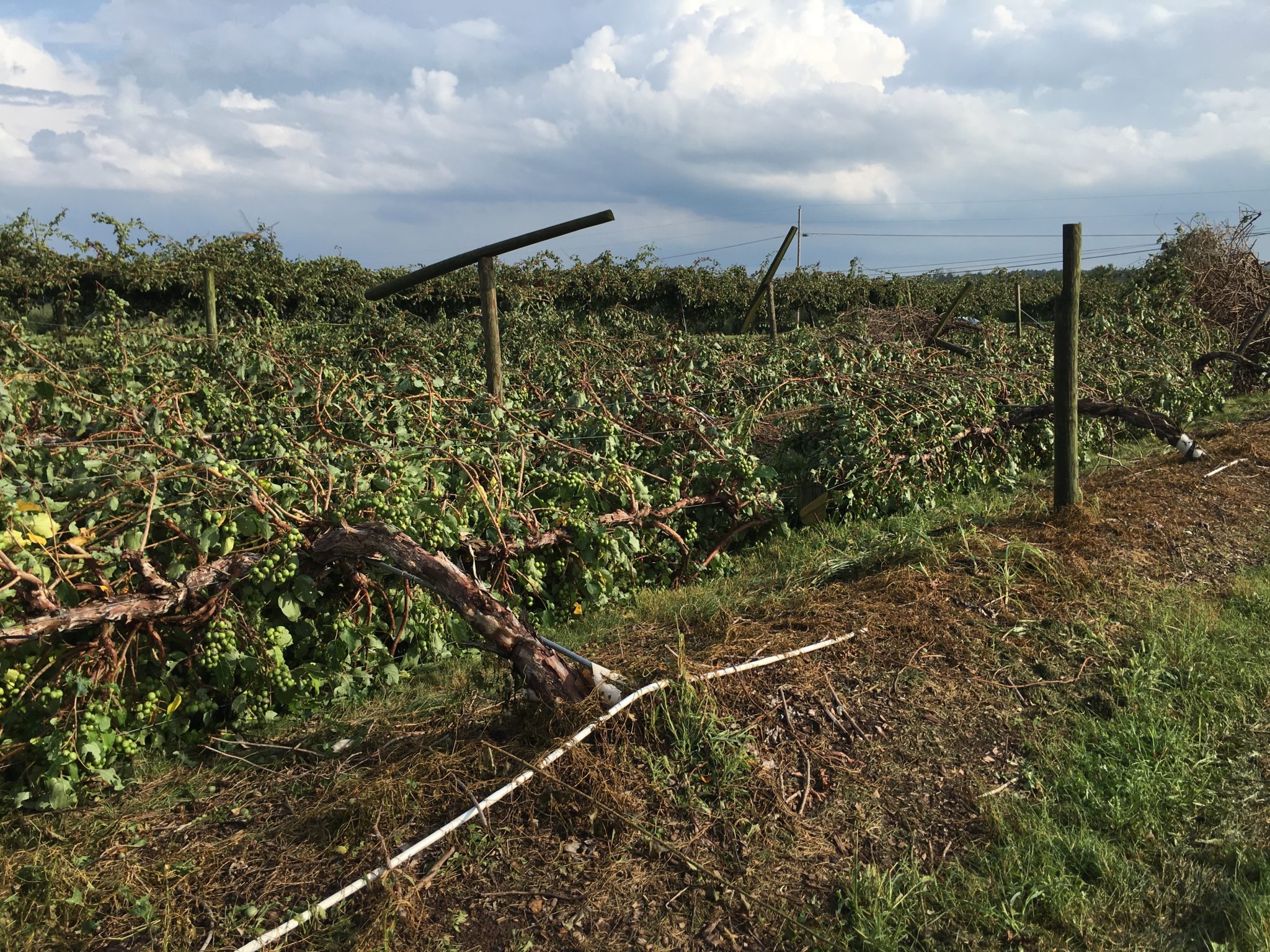
Cumin farmers in the Ras al-Ain area, northwest of al-Hasakah, have suffered substantial financial damage due to widespread crop damage from diseases and late rainfall.
Cumin is a relatively new agricultural crop in the region, where farmers have switched to its cultivation as an alternative to wheat and cotton due to marketing difficulties and falling prices in previous years.
Severe losses
Farmer Firas al-Sawah, a native of the village of Tal Arqam west of Ras al-Ain, is shocked by the extent of the losses he incurred from cumin farming this year. He explained that he planted 60 dunams of cumin and 15 dunams of wheat.
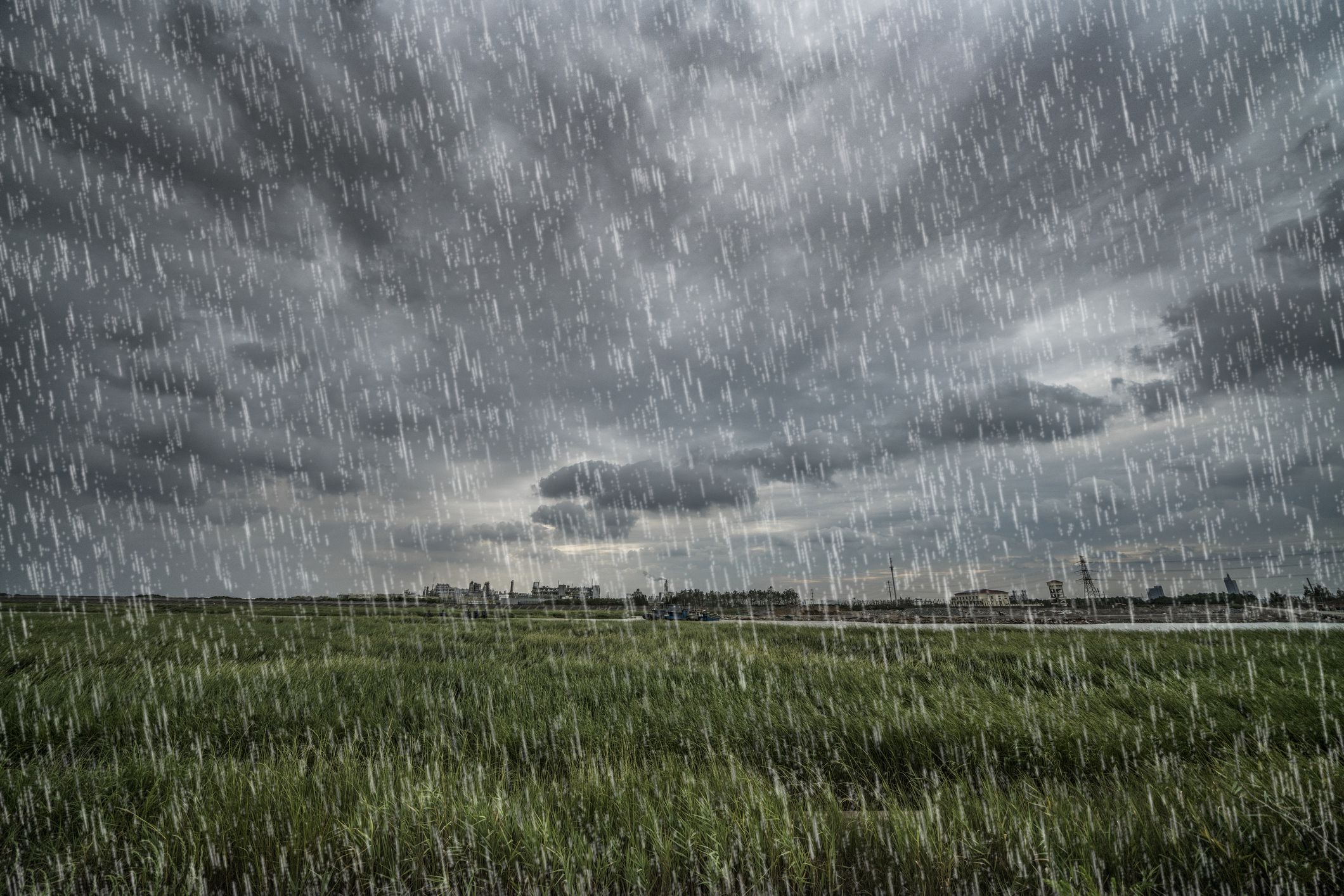
He told Enab Baladi that the cumin was in good condition until just 15 days ago, but due to weather fluctuations from heavy rains and rising temperatures, the crop was stricken with wilt disease, completely paralyzing the plant.
He mentioned that his losses this year exceeded $3,000 due to damage to about 60% of the cumin crop, and he called for the Syrian Interim Government (SIG) to provide urgent support to cumin farmers.
Meanwhile, Hassan al-Banna from the Green Khirbet village east of Ras al-Ain described his experience with cumin this year as “tragic,” leaving him unable to repay his debt.
He further explained to Enab Baladi that he decided at the beginning of the season to expand cumin cultivation to 120 dunams to achieve a good financial profit and repay his debts from the solar energy system he bought in 2023.
He added that he planted 20 dunams of cumin in 2023, producing more than 55 kilograms per dunam. However, this year, the damage reached more than 90% of the crop due to fungal diseases that directly affected the roots, leading to wilting and plant death.
He stated that his losses from cumin alone this year are estimated at more than $5,000, plus an additional $4,500 in debts from his solar power system, noting that the wheat crop is not sufficient to cover labor wages and the expenses of land preparation and plowing.
Sultan Mahmoud, another farmer from al-Duwaira village, told Enab Baladi that he planted 40 dunams of cumin this year to compensate for the losses of wheat and cotton seasons. He explained that symptoms of paralysis began to appear on the cumin about a month after planting.
He added that he purchased agricultural medicines for the cumin to combat the disease, but to no avail, resulting in a loss of around $2,600, with damage exceeding 75% of his land area. The losses forced him to sell his motorcycle and home solar power system to pay the laborers who weeded and cleaned the cumin.
Fourfold decrease in prices
The crisis this year is not limited to the disease affecting the crop and its failure but is also compounded by a fourfold decrease in the price of cumin compared to 2023.
The planting period for cumin in the region begins from mid-November to December, while the harvest period starts at the beginning of May each year.
Before the start of the harvest, the price of cumin per kilogram fell from $10 to $2, attributed by farmers to the increased planted areas in the region, negatively impacting supply and demand.
Farmer Issa al-Saloum from Haroubi village west of Ras al-Ain told Enab Baladi that he made necessary provisions for pesticides and medications at the start of the cumin season, taking the necessary precautions, yet only 25% of his crop on 50 dunams was damaged.
Despite not experiencing significant damage compared to most farmers, he considered the prices to be discouraging at this time, with escalating losses. He noted that traders seem to agree on buying cumin at low prices.
The farmer emphasized the need for the Interim Government and relevant authorities to intervene to prevent the monopolization of the cumin season and ensure better marketing, to protect farmers from losses and exploitation.
Damage rate exceeds 65%
Omar Hamoud, head of the agriculture office at the local council, told Enab Baladi that the damage rate of lands planted with cumin reached more than 65% of the total cultivated area of about 60,000 dunams this year.
He added that climate change and heavy rainfall have significantly damaged the crop and caused several diseases, notably wilt, which affects the plant initially and leads to its complete death, in addition to the blight that affected cumin in the advanced stages of plant life, causing root death.
Hamoud pointed out that cumin was successful in 2023 because the climatic conditions were suitable, as it is sensitive to climatic changes.
He mentioned that the Agriculture Directorate tried as much as possible to provide guidance to farmers from before the planting season on how to use pesticides. However, most farmers delayed spraying, negatively impacting the harvest.
Agriculture, alongside livestock breeding, constitutes the main occupations for most residents in the Ras al-Ain area and the northern and northeastern regions of Syria, serving as a primary source of income in these areas.
Turkey administers the cities of Ras al-Ain and Tel Abyad in northern Syria, where service institutions are managed by the Urfa province center in Turkey, and the local council in the city oversees the implementation of service projects, which are modest compared to those implemented north of Aleppo province.
Source - https://english.enabbaladi.net