The young man ran quickly, carrying a gun that he used for guarding his grocery, towards the wild boars, which were trying to cross the river to attack children and women. He and the fellow residents who responded to the sounds were able to force the swines to flee.
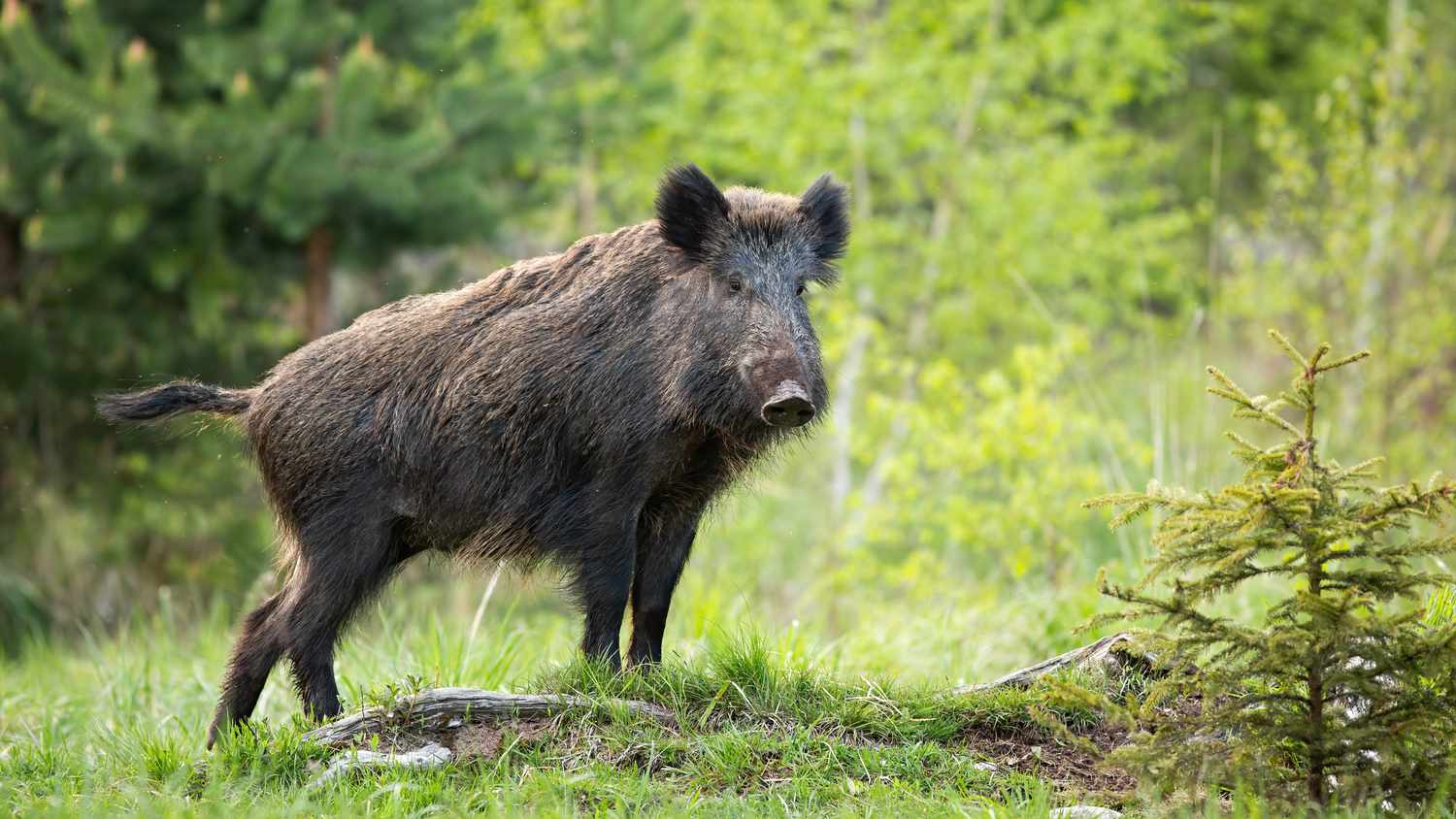
Recently, a group of wild boars invaded some residential areas in the areas of Darkush and Ain al-Zarqa, west of Idlib region, causing damage to agricultural lands and raising concerns and fears among residents who were not accustomed to seeing these animals in their areas.
Children panic
Mazen Skaif, a shop owner, described the incident as horrific, as the presence of about 15 wild boars trying to cross the bank of the Orontes (Asi) River to attack children is not a common occurrence.
The man told Enab Baladi that the pigs tried to attack the children, and the children’s screaming increased their agitation, but they escaped after a number of people arrived and shot at them.
Skaif added that shooting pigs did not result in the death of any of them because these animals need more effective weapons than pistols, pointing out that citizens began searching for hunting weapons in order to protect their families and children.
Activists in the Darkush town and the countryside of Jisr al-Shughour issued warnings to the people of the region about the wild boars spread over mosque loudspeakers and on social media groups and sites to protect children from these dangerous animals.
People from Darkush interviewed by Enab Baladi said that these animals are widespread in Hama governorate and the forests of the Syrian coast, attributing the reason for their appearance in the region to poaching campaigns in those areas, the repeated bombing of the regime forces on the contact lines, and the repeated fires in those forests.
Fears of diseases
Wild boars are among the animals hated by the people and citizens of northern Syria, and their presence raises residents’ fears of the spread of diseases.
Fatima al-Mohammad, 44, told Enab Baladi that she is afraid of pigs that live in a dirty environment suitable for the spread of many diseases and viruses.
The woman, who lives in the Darkush countryside, fears that contact with these animals in residential areas will cause the spread of diseases among her family members.
In turn, Darkush-based Abdullah al-Ahmad, 38, told Enab Baladi that parents no longer trust their children to play alone among the trees for fear of harm that animals might cause them or of children accidentally coming into contact with where they are, leading to them contracting diseases.
“Swines, in general, are considered a mixing vessel species because they’re susceptible to human viruses, like influenza viruses,” says Vienna Brown, a USDA staff biologist with the agency’s National Feral Swine Damage Management Program, said. “And when those get into swine,” she says, they could “create a novel influenza virus,” she added.
Brown said that the risk of humans being infected by Swines is greater than it is from other wildlife species.
Tree damage
Wild boars depend on settling in densely forested areas and feeding on fruits falling from trees, but the movement of animals in the area in a frenzy leads to the breaking of fruit trees in Darkush.
Skaif said that during their escape, the pigs broke small orange and lemon bushes on the bank of the Orontes River, and even the trees that were not broken dropped their fruits and were severely damaged.
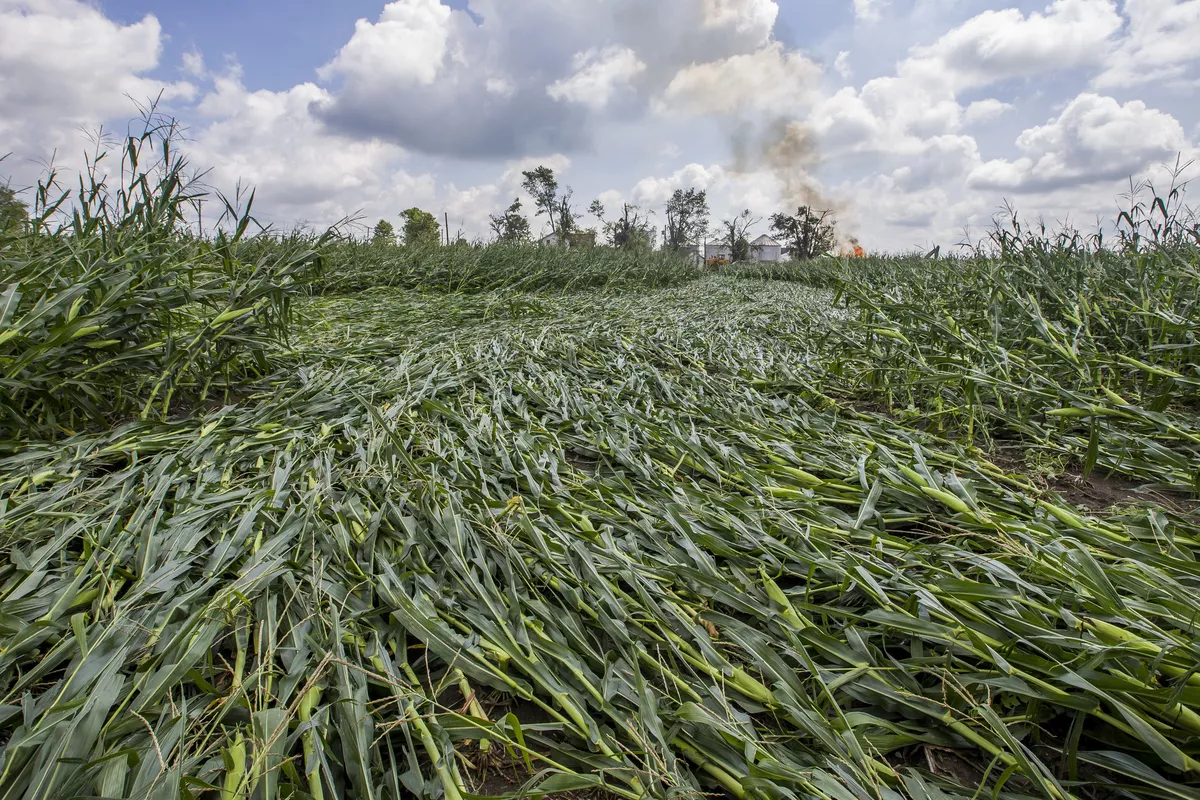
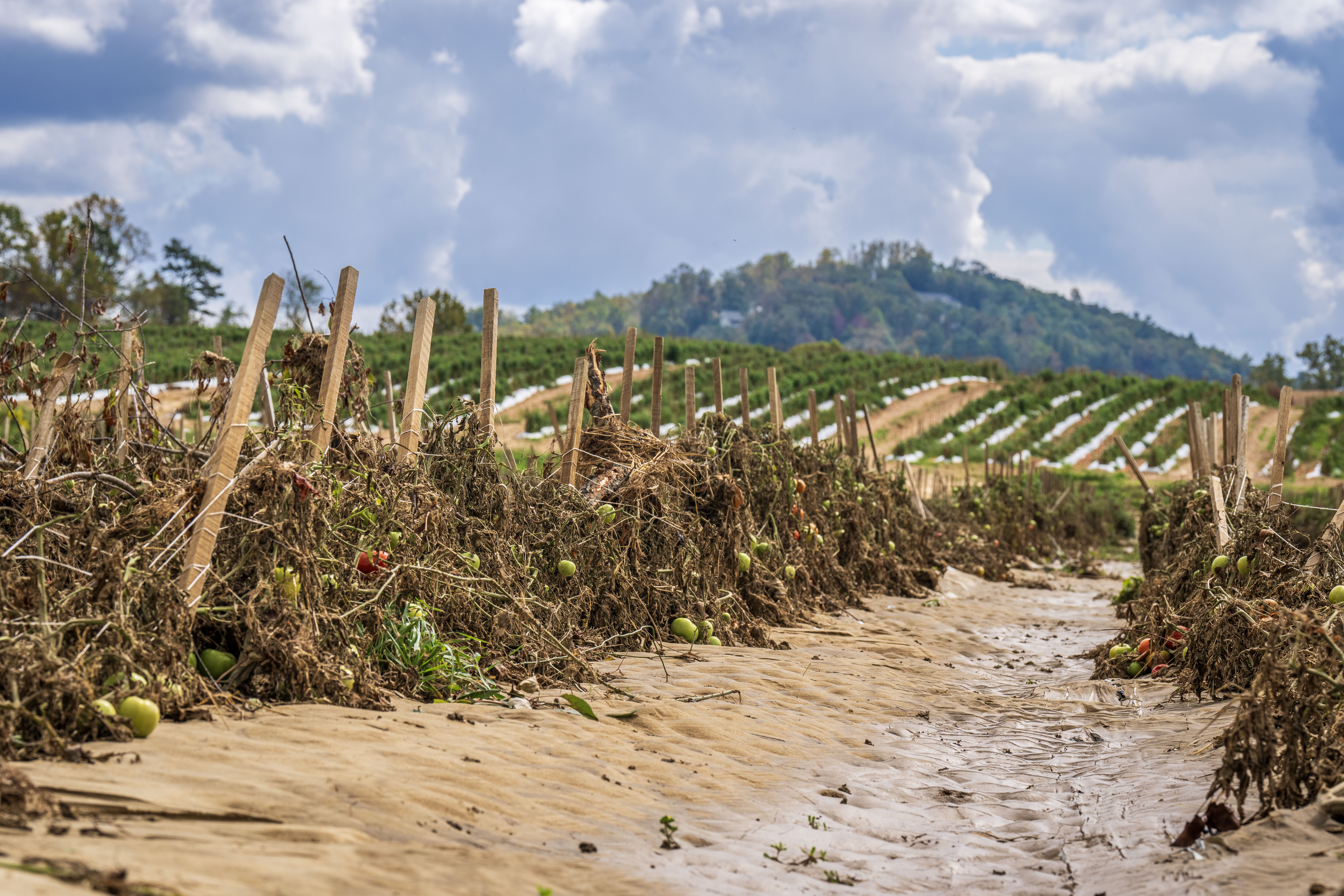
Jamal al-Saleh, 45, said that the damage by wild pigs is not limited to fruit trees, but rather herds of pigs searching for food enter agricultural crops and destroy them.
The farmer added that the entry of wild pigs into fields in the region causes losses, including crop damage and the inability to sell them, which later affects the rise in their market prices.
Source - https://english.enabbaladi.net