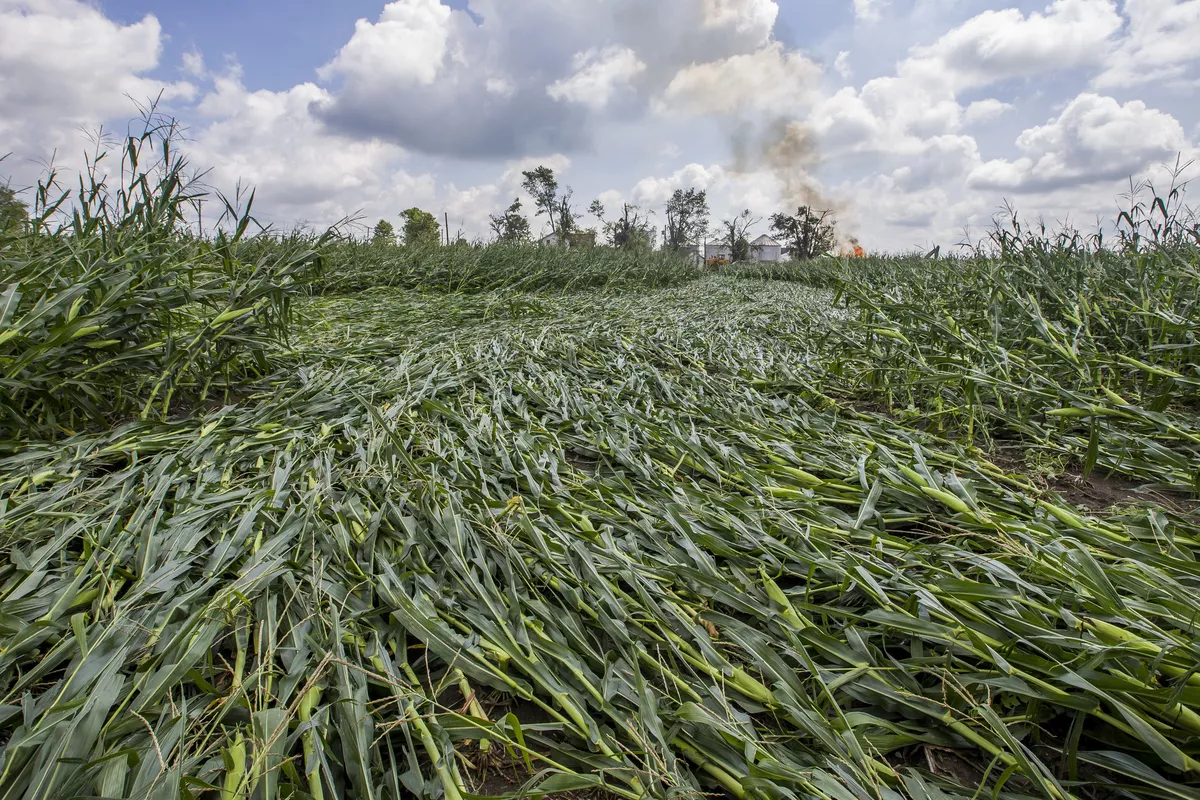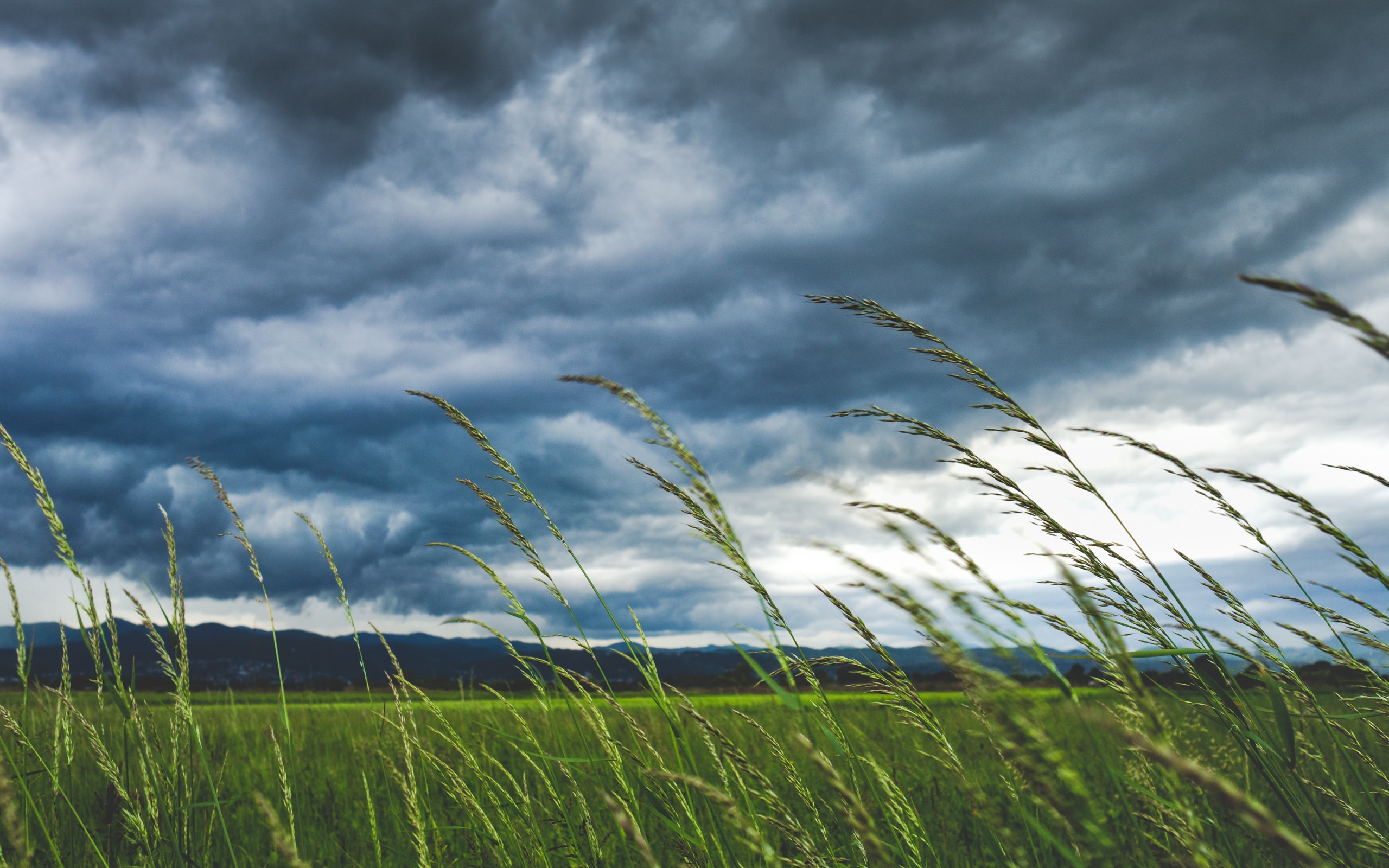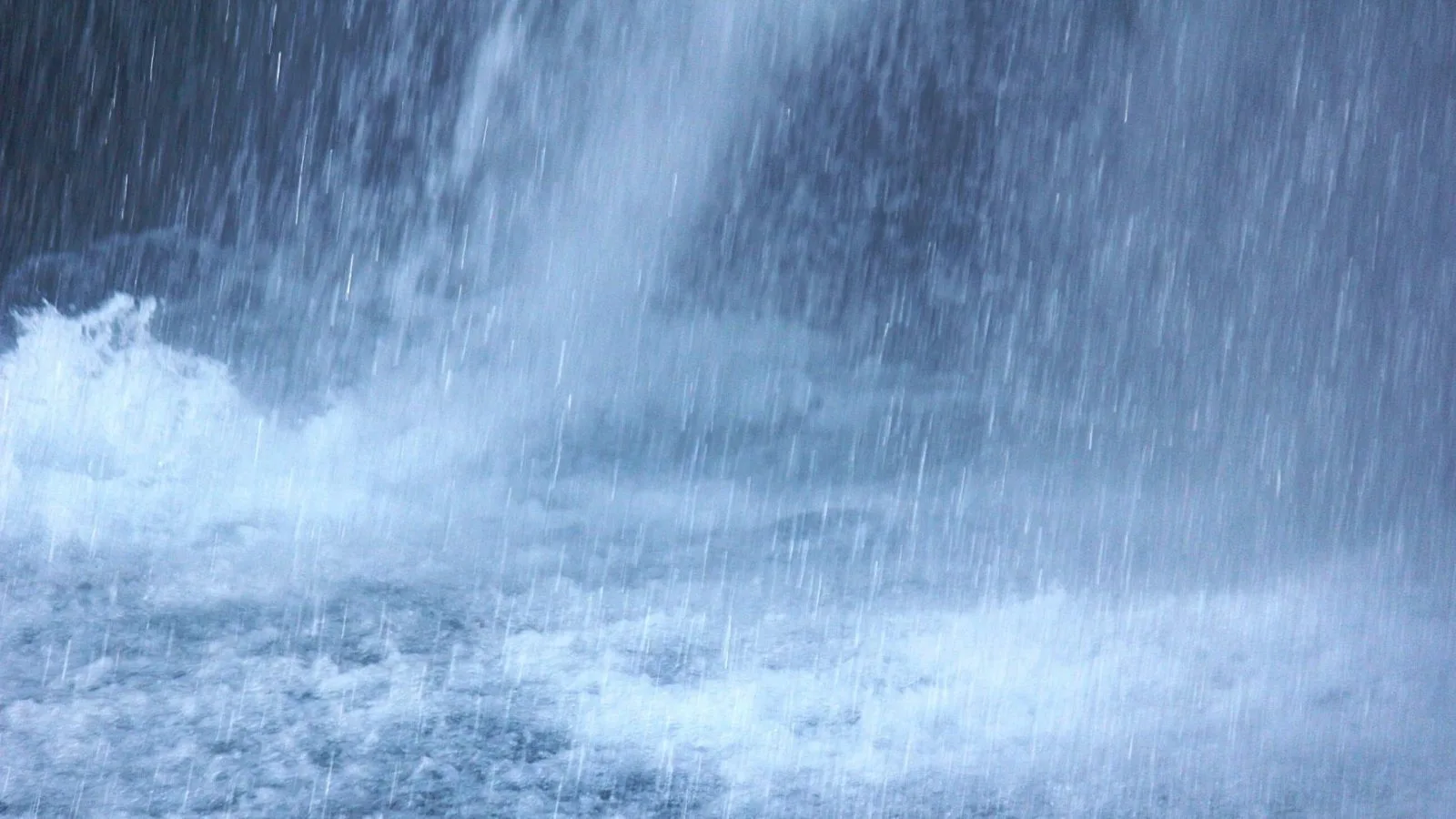
The Tanzania Meteorological Authority (TMA) has warned that 14 regions in the country are expected to receive above normal to normal rainfall during the upcoming rainy season, which could lead to excessive soil moisture, flooding, and crop damage.
The rains are expected to start in November of this year and last until April of 2024. The affected regions include the southern part of Morogoro, Iringa, Lindi, Singida, and Dodoma; the northern part of Kigoma, Rukwa, and Tabora; and Njombe, Songwe, Rukwa, Mbeya, and the northern part of Katavi.
TMA's Weather Expert Ms Joyce Makwata said that the first half of the season (November to January) is expected to be wetter than the second half (February to April). She also noted that the seasonal rainfall is expected to be influenced by El-Nino.
Earlier, Ms Makwata said that El-Nino is expected to remain substantial, as all weather systems and patterns continue to support this prediction.
"While some regions have experienced inadequate rainfall distribution, others have already recorded significant rainfall, leading to damages. Tanga, Unguja and Pemba islands have received 50 milimeters of rain so far," she said
Explaining the expected impact, TMA Acting Director General
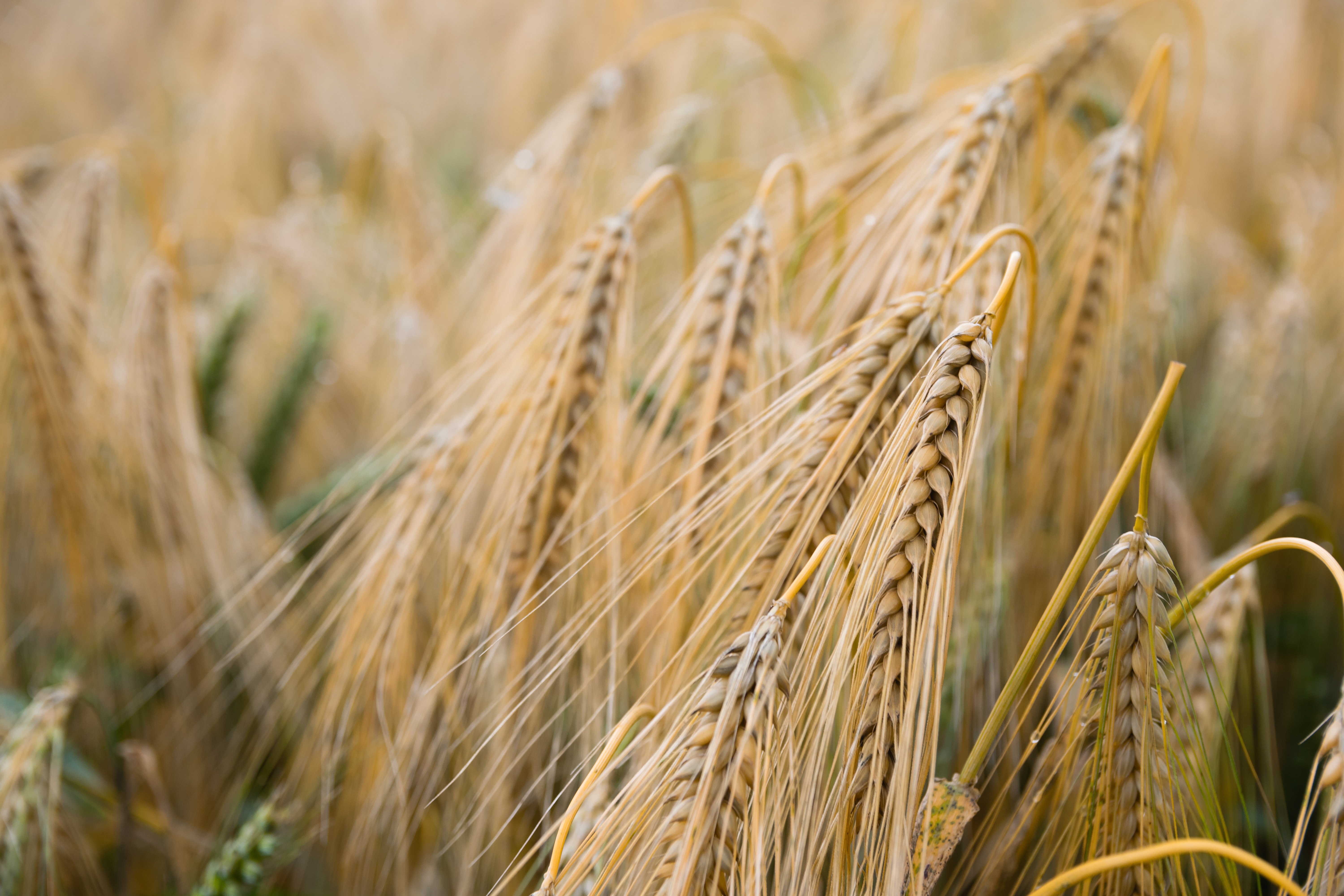
Dr. Ladislaus Chang'a said that agricultural practices are anticipated over most areas during the 2023/2024 season.
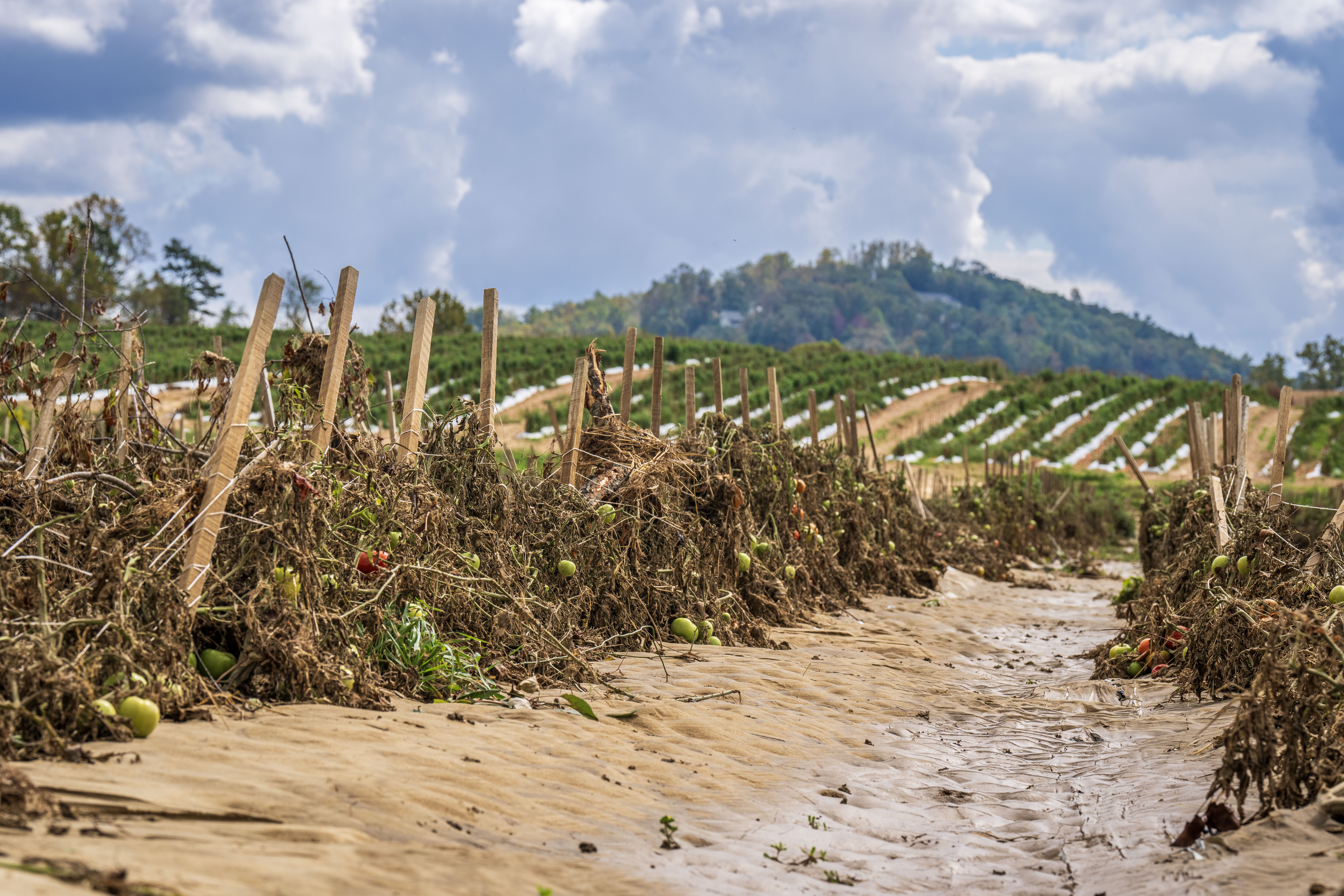
However, periods of excessive soil moisture and flooding may occur and affect crops and farm management.
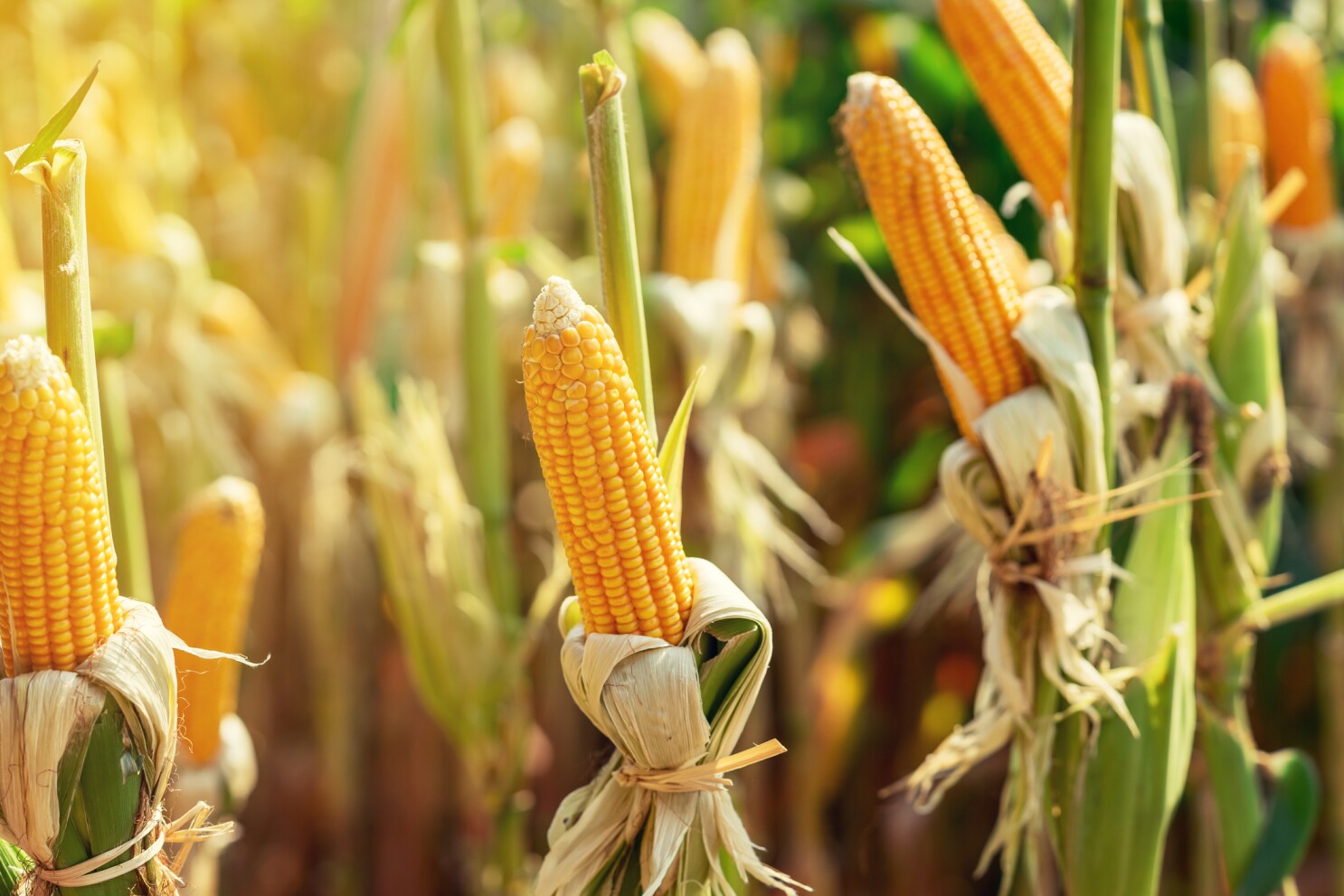
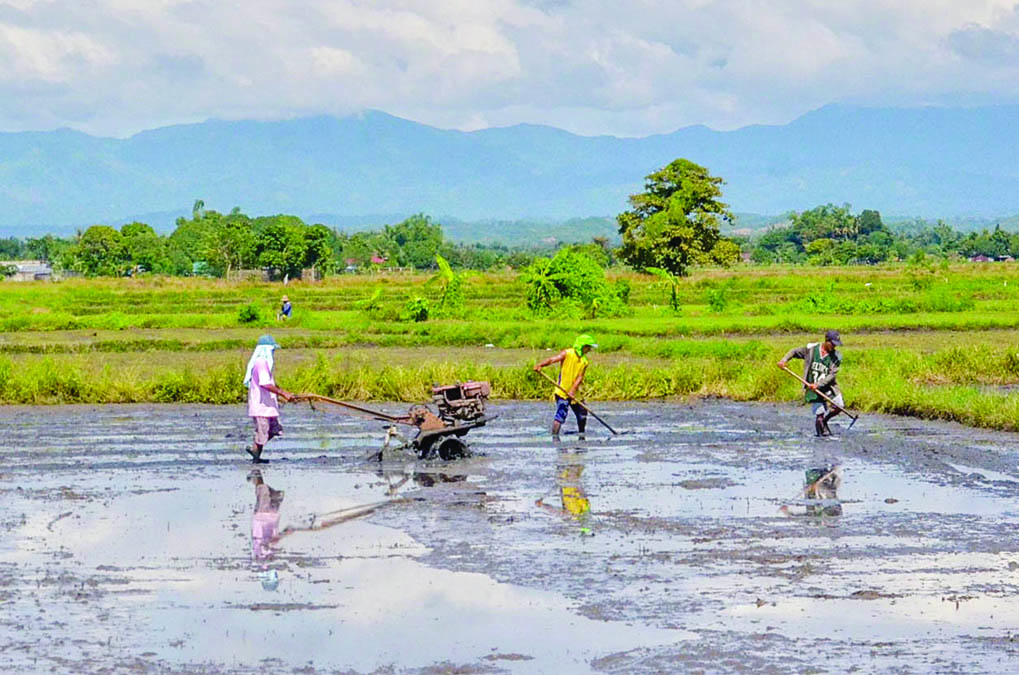
According to him, TMA is collaborating with experts from various sectors to advise farmers on how to prepare their fields, plant, weed, and use relevant farm inputs timely.
Farmers are also advised to use the best methods and technologies to prevent water stagnation in the field, erosion, and loss of soil fertility.
"Choose the right seeds and crops for this season. In addition, it is recommended to strengthen the agricultural infrastructure, and control crop pests and diseases timely to reduce potential impacts," he said.
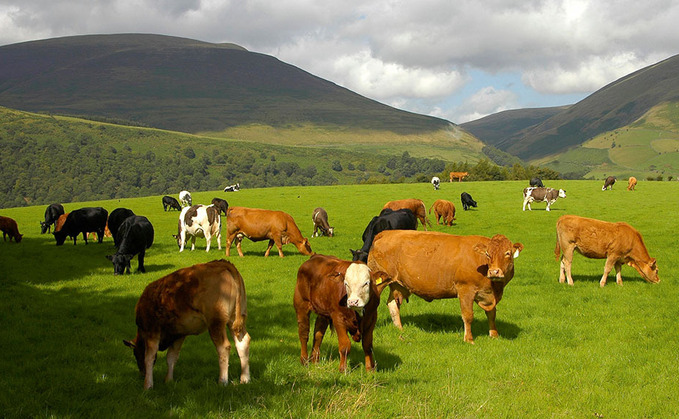
For the livestock and fishery sector, Dr Chang'a said that livestock keepers are likely to benefit from availability of pasture, water and food for fish.
Livestock keepers are advised to practice good animal husbandry in order to conserve pasture and harvest rainwater for future use. The community is advised to put in place good plans for the use and conservation of water and animal feeds. Seaweed farmers are advised to cultivate in deep water to get rid of the effects of rainwater entering the sea.
In addition, pastoralists and fishers are advised to use weather forecast updates and adhere to the advice provided by extension officers in order to minimize possible adverse impacts and capitalize on expected favourable conditions during the season.
On the tourism sector, he advised the relevant authorities to improve the various infrastructures in the wildlife reserves and create awareness among the community to take appropriate actions. Therefore, the community is advised to provide information to the relevant authorities once wildlife enter the residence areas.
Local authorities are advised to improve water drainage systems to reduce effects that may be caused by floods and provide education to the communities on the measures that need to be taken.
These include strengthening disaster committees at the village and district levels to manage and reduce the associated impacts.
Source - https://www.thecitizen.co.tz