The loss of pollinators threatens food security in the tropics

23.10.2023 677 views

Insects worldwide are facing a variety of environmental stresses, which have led to precipitous declines in their numbers. That poses threats not only to the insects themselves but to biodiversity and food security too.

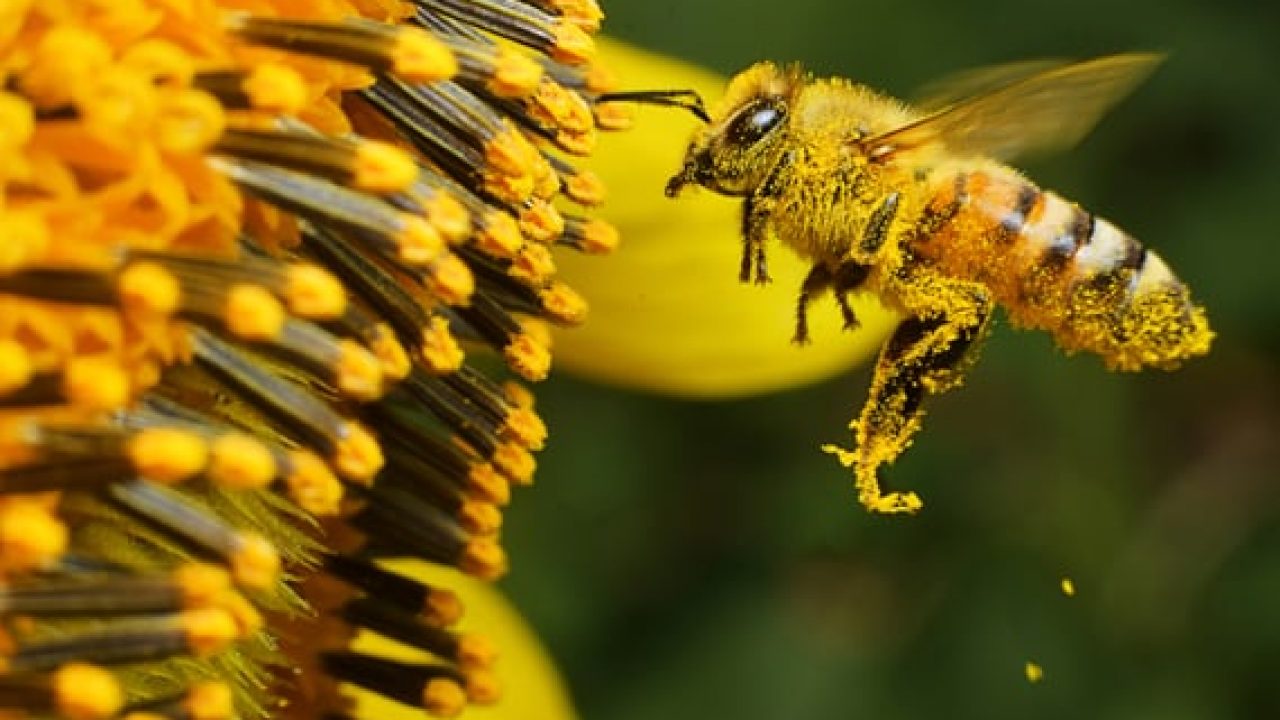
One of those threats lies in a growing absence of pollinators, which is impacting agriculture. In the tropics pollinator-dependent staples such as coffee, cocoa, watermelon and mango may be most at risk, according to a team of scientists at University College London and the Natural History Museum in the United Kingdom.

The researchers examined more than 1,500 crop-growing sites worldwide and catalogued over 3,000 insect pollinator species. They have found that pressures from climate change and agricultural activities have “led to substantial declines in both the abundance and richness of insect pollinators.”

That is disconcerting because three-quarters of crops depend on pollination by animals to some extent. A model created by the researchers indicates that pollination-dependent crops most at threat in coming decades include several important staples produced widely in the tropics and consumed worldwide.

“Our research indicates that the tropics are likely most at risk when it comes to crop production from pollinator losses, primarily due to the interaction of climate change and land use. While localised risks are highest in regions like sub-Saharan Africa, northern South America, and Southeast Asia, the implications of this extend globally via the trade in pollination dependent crops,” explains Joe Millard, one of the researchers behind the study.

Coffee, cocoa, mango and watermelon all rely on insect pollination and so are at the greatest risk from a loss of insects along with other threats such as climate change, which is leading to prolonged droughts.”These crops play vital roles in both local economies and global trade and their reduction could cause increased income insecurity for millions of small-scale farmers in these regions,” the scientists stress.

“As insects decline, due to being unable to cope with the interacting effects of climate change and land use, so too will the crops that rely on them as pollinators. In some cases, these crops could be pollinated by hand but this would require more labour and more cost,” Millard says.

Source - https://www.sustainability-times.com

18.01.2026

India - Bihar Launches Online Crop Loss Compensation Scheme: Farmers Can Claim ₹7,500–₹10,000 per Hectare

The Bihar government has announced financial assistance for farmers affected by crop losses under the Bihar State Crop Assistance Scheme. 

18.01.2026

Afghanistan - $30m new cold storage facility opens in Kabul to boost agriculture

The Ministry of Agriculture, Irrigation and Livestock (MoAIL) has inaugurated a new cold storage facility in Kabul, saying it will help reduce agricultural waste, cut imports, and strengthen the economy.

18.01.2026

Pakistan frost wipes out 65% of tomato crop in Khushab district

A frost event damaged standing tomato crops across villages, including Kathha Saghraal, Kathha Misraal, and Kotli Rajgan in the foothills of Daman-e-Mahaar in Pakistan's Khushab district. Fields that had been producing red and green tomatoes were affected within a short period, with plants showing dried leaves and damaged stems.

18.01.2026

Ireland Leads Europe in Regenerative Ocean Farming

Ireland is leading a new EU-backed initiative to scale sustainable seaweed farming while restoring marine ecosystems across Europe. The SEAGROW project is funded by the European Maritime, Fisheries and Aquaculture Fund and is coordinated from Ireland by Óir Na Farraige. The project aims to improve productivity in seaweed cultivation while enhancing biodiversity and ecosystem health.

18.01.2026

India needs fertiliser pricing reforms to restore soil health

India needs to urgently restore the health of its soils to improve crop health and human nutrition through a combination of approaches, including policies for rationalising fertiliser pricing, a new paper said. It also called for the development of precise, customised and site-specific fertilisation solutions, complemented by appropriate agronomic practices.

18.01.2026

China issues action plan to speed up agricultural modernization

China seeks to speed up agricultural modernization over the next five years by establishing demonstration zones that leverage deepened reforms and technological innovation to enhance production capacity, as well as the quality and efficiency of agricultural output.

15.01.2026

Soil-based method can stop locust swarms from destroying crops

"They're very destructive when there's a lot of them, but one-on-one, what's not to love?" says Arianne Cease. She's talking about locusts.

15.01.2026

Fifty French farmers arrested after storming agriculture ministry building in Paris

Around 100 members of the Confédération Paysanne union entered a section of the ministry, which they occupied for an hour to denounce the government's agricultural policy.