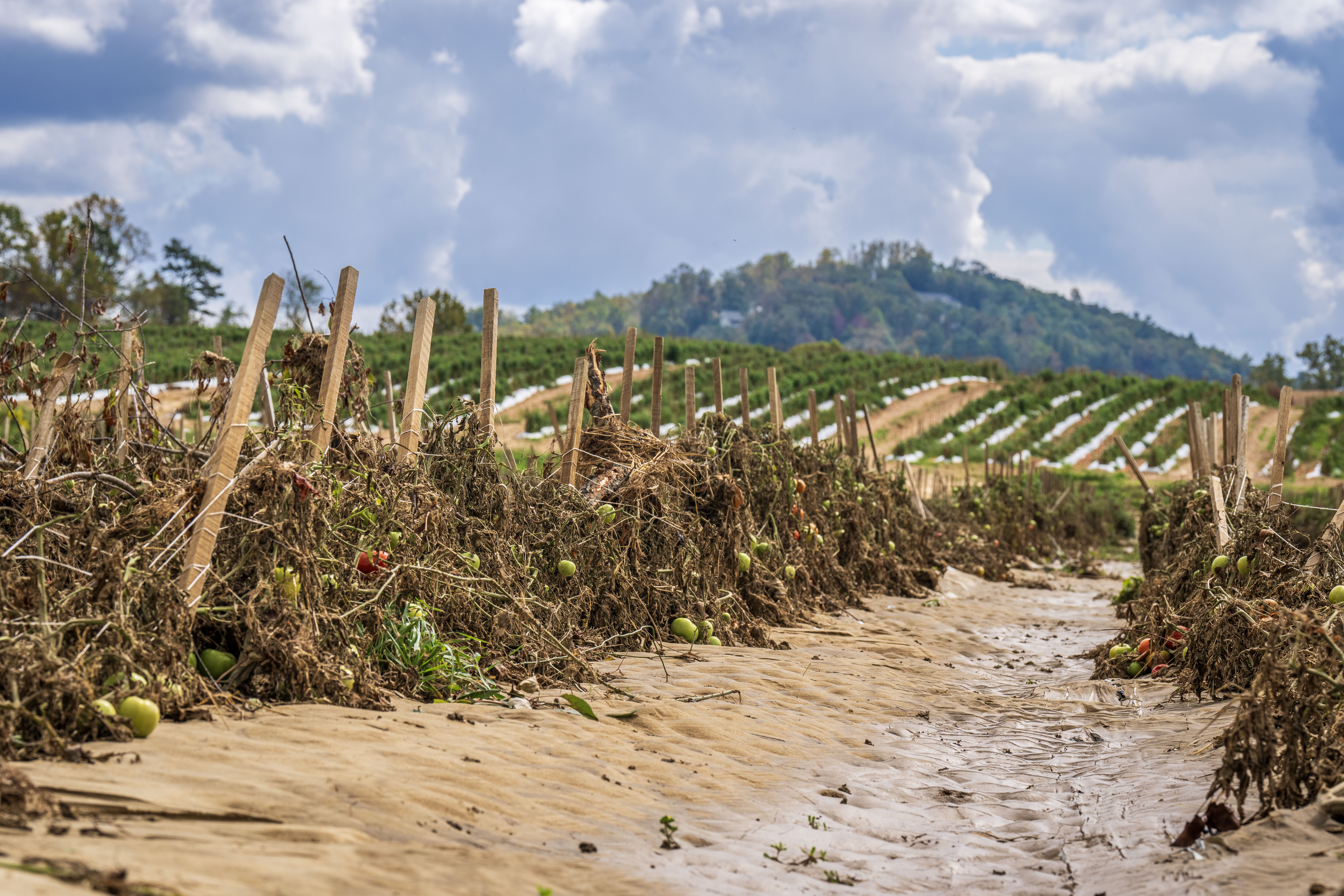
After dealing with a shortage of pomegranates last year, the Turkish exporters seem to be faced with a similar situation for this new harvest, Esra Soyleyen, managing partner of Turkish fruit exporter Aksun, explains: “This season in some regions, we do have a pomegranate shortage of up to 30 per cent again, just as it was last year. During the flowering period in April we’ve had lots of rains and both the first and second flowers were affected by these rains, Antalya being a prime example. And because Antalya is the largest production area in Turkey, overall these issues have affected both availability and the price of the pomegranates.
Although it’s still quite early in the season, demand has already been stronger than usual at this time of the year, Soyleyen states. “The market is quite depleted of pomegranates at the current moment, which means we’re getting very good demand during this early part of the season. Most of the time Turkish pomegranates get in to the market once Spain slows down a bit, which is usually around mid-December. However, this year we’ve doing regular deliveries to all customers since the beginning of the pomegranate season.”
The economic factors in Turkey have resulted in higher prices for the pomegranates this year. Soyleyen emphasizes this increase simply can’t be helped, given all the increased costs: “This season, the prices for pomegranates are higher, for sure. However there are a couple of reasons to explain this increase. First off, we’re dealing with higher production costs. On top of that, in Turkey, the inflation has reached over 100 per cent. This means that labour cost, domestic transport, fuel, these things have all more than doubled in costs. This is just on the purchasing side of the operation. As an exporter, we need to store the pomegranates in our own facility, and both the mac bags we store the product in as well as the cost of electricity has also more than doubled due to the inflation. When you keep this in mind, the higher prices for pomegranates make a lot of sense.”
The Hicaz variety is the main variety that is grown in Turkey. It’s selling well, and as such Soyleyen expects an interesting pomegranate season this year. “The main variety we have in Turkey is Hicaz, of which the acidity, brix and taste combination is very good. We as exporters are very happy to keep this traditional variety, and so are the growers. We do have Wonderful and early Wonderful productions as well, but I would say 95 per cent of the market share is for Hicaz, which is the variety that sells best. Looking at the prospect this season, it should be an interesting one, given the high demand and higher prices this year.”
Aksun has made significant investments, which should improve their operations in both sorting and storing, Soyleyen says: “We’ve just finished our new investment, a second pomegranate packing line, which helps us a lot for the calibration of our pomegranates. We’re able to offer customers one specific size all season, with the same quality standards, and I would say this makes us very strong. Another huge advantage of Aksun is our new pomegranate cold room investment. Currently we’re able to store up to 7,000 tons in our own packhouse and unlike many other companies, we do not need third parties to store our products. This means full traceability and control on the fruits, from the start to finish.”
Source - https://www.freshplaza.com