Turkey - Lower volumes for pomegranates due to weather

26.12.2022 935 views

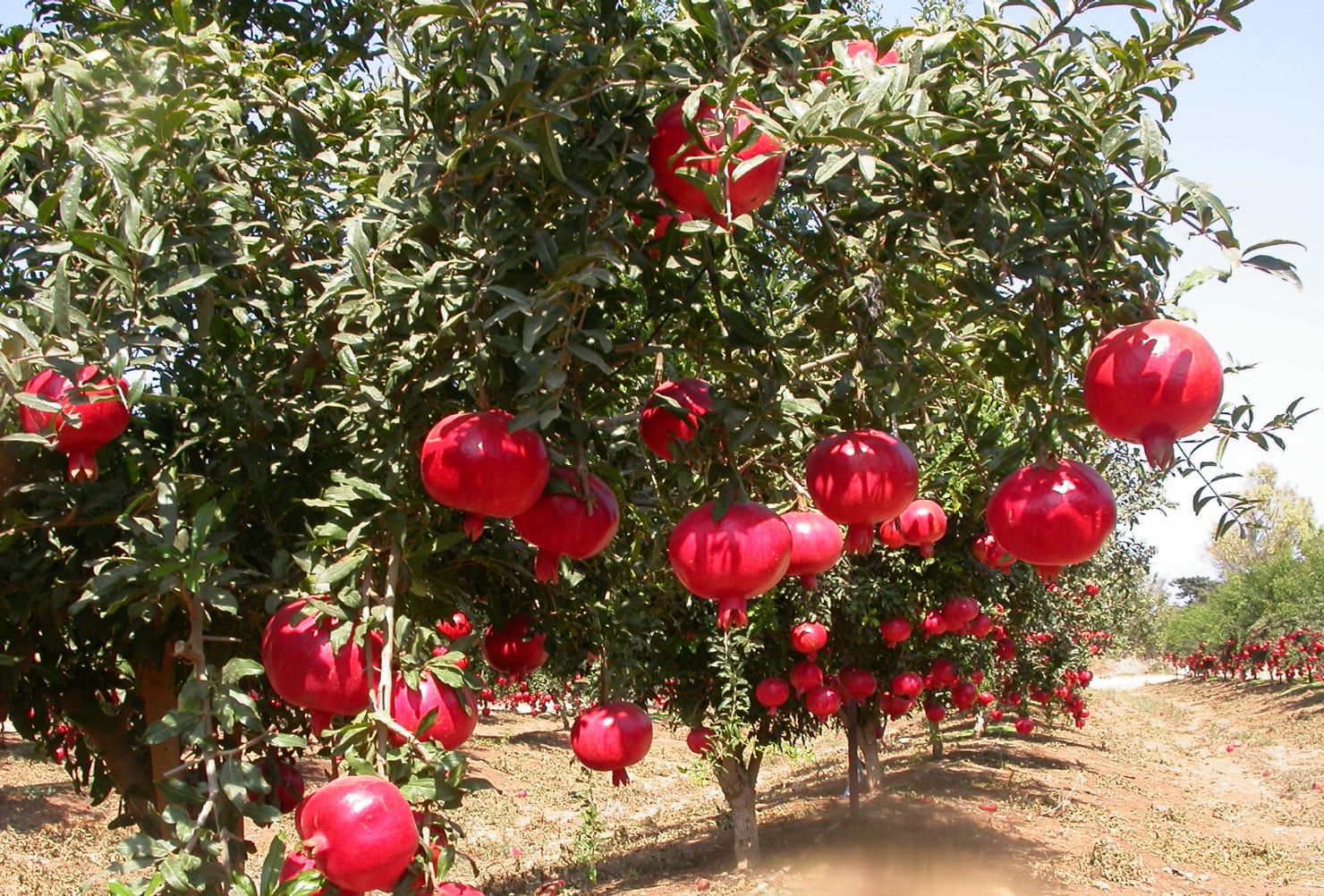
Due to the effects of climate change, Turkey produces fewer pomegranates this season, says Yigit Gokyigit, marketing coordinator for Turkish fresh produce exporter Alanar: “This year, we were able to produce less pomegranates in general in Turkey compared to past seasons, due to the negative effect of the climate change. In fact, I am very glad that as a company, we’ve been able to fulfil our customers’ need despite the lower volumes. Alanar’s pomegranates all follow the pesticide residue levels required by the European Union and even those required by the supermarkets, which have more challenging expectations in terms of pesticide residue levels. We’re very happy to see that our fruits arrived in a great state at our business partners all around the world.”

Gokyigit feels that their biggest challenge this year has been dealing with inflation in Turkey, as it has made the entire operation more costly. “We export our pomegranates to western Europe, mainly. We’ve been able to enter new markets this year in both eastern and northern Europe as well. Pomegranates have always been a demanded fruit for years. However there have been challenges. Next to the slight change on the currency exchange rate, inflation is one of the most challenging subjects for exporters in our country. This translates to higher costs in addition to the global increase on shipping prices, which makes it tough.”

Once the pomegranate season is over, Alanar will change its focus towards their new seasons of summerfruit in 2023: “We will be exporting pomegranates until the end of winter. After that, we’ll be getting ready to for our summer fruits cherry, apricot, fig and plum then. Next year, we will be exporting Sugar Apricots, 100% grown in Alanar orchards, in addition to the current varieties we have. Turkey had a hard cherry season this year. The harvest was low in some regions and the season was very short compared to previous years. Our fig season was quite good, as demand was higher than before.”

“At Alanar, we are already getting ready for the 2023 seasons. As a result of the investments made, especially in the last five years in our plantations, we will be harvesting much more fruit every year from our own orchards. This makes us one of the largest cherry, fig, apricot and plum growers in Europe.” Gokyigit concludes.

Source - https://www.freshplaza.com

05.05.2026

Climate change: challenges and opportunities for crop insurance in Canada

The pandemic we have just come out of reminded us of the importance of maintaining robust food sovereignty in our country, provinces and cities. 

05.05.2026

Azerbaijan, Uzbekistan hold talks on agro-industrial collaboration

On May 5, Minister of Agriculture Majnun Mammadov met with a delegation from Uzbekistan led by Minister of Agriculture Ibrokhim Abdurakhmonov, who attended the 19th Azerbaijan International Agricultural Exhibition (Caspian Agro Week), to discuss bilateral cooperation in the agricultural sector, Trend reports.

05.05.2026

Philippines - P6.69-million crop damage logged in Albay due to Mayon unrest

Damage to crops from Mayon Volcano’s unrest has reached P6.69 million, with ashfall affecting several farmers in Albay, authorities said Tuesday.

05.05.2026

Cyprus - Farmers in Karpasia seek compensation for crop damage caused by wild donkeys

Losses reported in Rizokarpaso and nearby villages as donkey population grows and destroys farmland.

05.05.2026

USA - USDA Risk Management Agency Upgrades Rainfall Data Source

The U.S. Department of Agriculture’s (USDA) Risk Management Agency (RMA) is upgrading the source for rainfall data used in several Federal crop insurance programs, moving from the National Oceanic and Atmospheric Administration’s Climate Prediction Center (CPC) to the National Centers for Environmental Information (NCEI). 

05.05.2026

Asparagus losses in Norfolk County, Canada reach 98 percent after frost

Frost events in Canada recently caused crop damage in Norfolk County, with asparagus production heavily affected. At Dalton White Farms, losses reached up to 98 per cent of the field.

04.05.2026

Bulgaria's Kyustendil cherry crop severely affected by frost for second consecutive year

Frosts have caused critical damage to cherry orchards in the Kyustendil region of Bulgaria for the second consecutive spring, with producers reporting near-total crop losses. 

04.05.2026

Vietnam - MoF moves to expand farm insurance support and eligibility

The Ministry of Finance has proposed sharply increasing agricultural insurance premium subsidies to up to 95 per cent and widening the pool of eligible beneficiaries to better share risks with producers, stabilise farm incomes, and strengthen climate resilience.