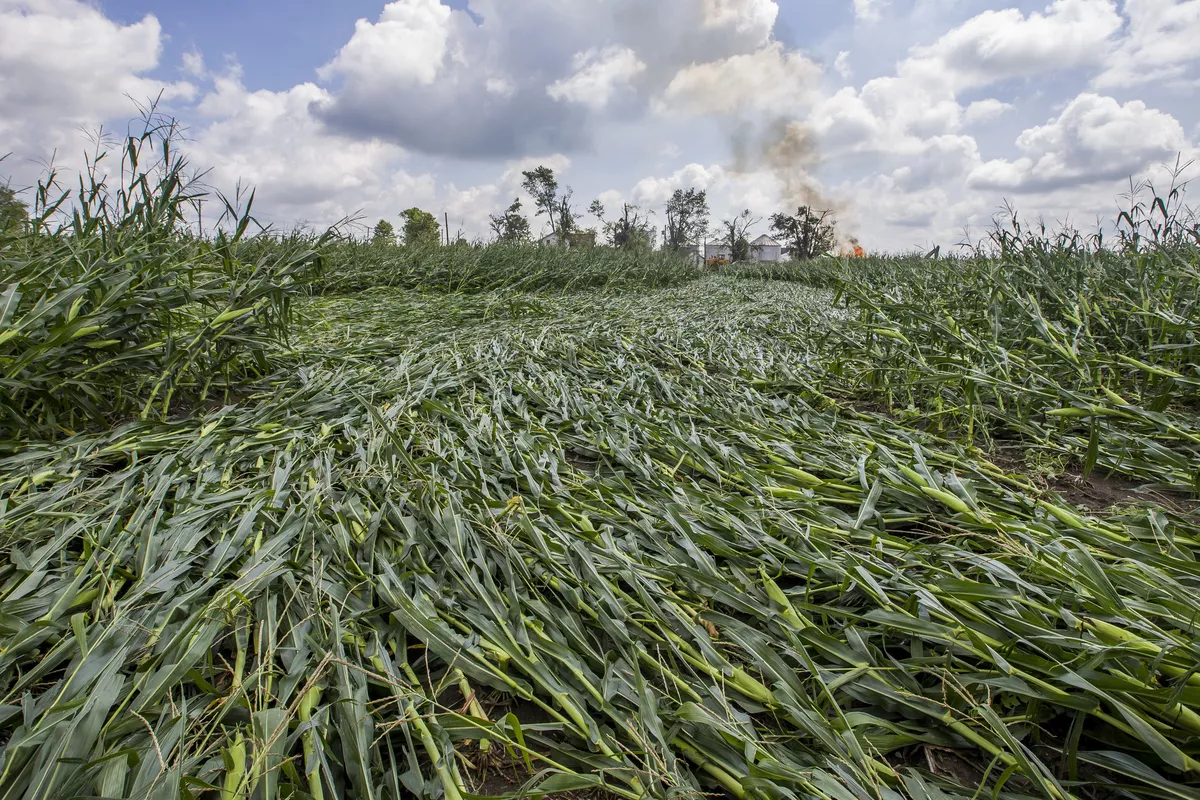
Speaking to Farmers Guide on 5th January, Oxfordshire-based arable farmer, Ollie Stobo, said that his lands have been hit by floodwaters seven times in just two years. Following a wet autumn, further delays caused by the storm mean a significant loss of profit for his enterprise, located near Witney.
Two of Mr Stobo’s fields are currently underwater after the River Evenlode burst its banks.
He commented: “The water level is beginning to recede now, but I don’t know when the fields are going to dry up enough to begin work. The weather’s looking okay right now, but it’s really a matter of time and how quickly it dries up to whether we can get on it and start cultivating the land for spring cropping.”
Whilst he has taken precautions to prevent his lands from flooding, this challenge cannot be fought as an individual – more help is needed.
He explained: “I’ve cleared the rivers of any dead trees and also done some pollarding; but I’m only as good as my next-door neighbour, because all this does is move the water down to where it’s blocked up next.”
Highest flood level in more than 70 years
Debbie Wilkins, of Norton Court Farm in Gloucestershire, said that flooding usually hits her farm a few times during the winter months, but shockingly the amount of water left after Storm Henk swept the country is the highest since 2007 and the third highest in more than 70 years.
She added: “We might have lost some grass seed and wheat that we’ve sown, so we’ll have to re-sow those, but it’s the stress caused that’s the worst part. Our buildings are flooded, so we have had to move our livestock out. You also have to take into account all the extra labour we have to put in place now.”
River through farm
David Billington of Arnolds Farm in Stapleford Tawney, West Essex, has a river running through the middle of his farm, which now floods after every heavy downpour.
Mr Billington said: “Years ago, we needed a week of torrential rain for the river to flood; but now we get one day of rain, and it instantly floods. Hopefully we don’t have any livestock losses, as we moved our sheep on some higher ground just in time.”
While flood defences have improved along the coast, not much has changed inland, and that this needs to be addressed, he added.
Harsh reality
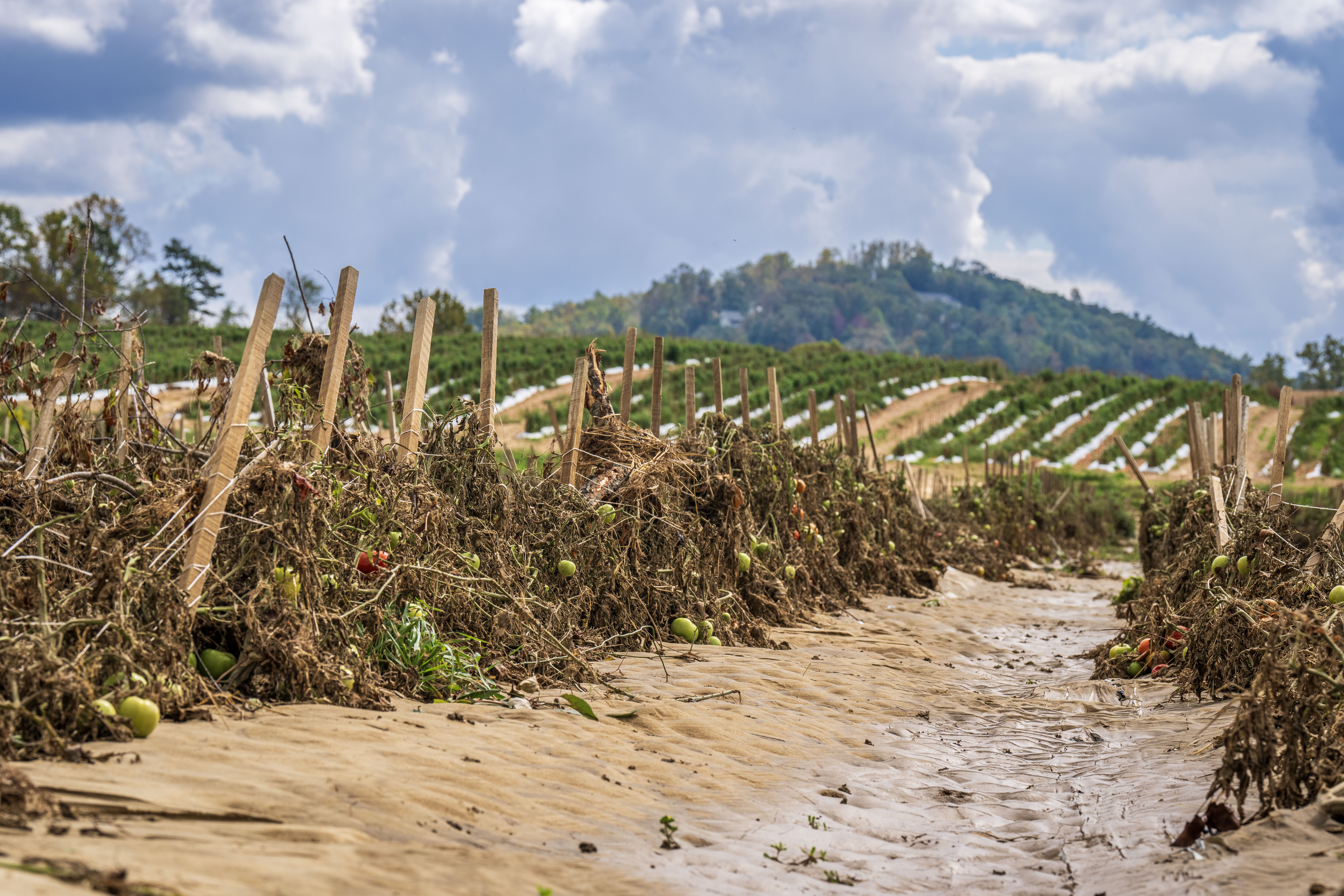
Lincolnshire arable farmer, Andy Ward, who has recently been cultivating the first British baked beans in partnership with University of Warwick scientist Eric Holub (see the February 2024 issue of Farmers Guide for more details), is facing a harsh reality as standing waters inundate his farmlands.
He said: “There’s nothing we can do when the fields are underwater. We’ll rebuild and innovate, but we must have support and solutions in place to tackle these issues collectively.”
Professor Eric Holub, professor of plant genetics at the University of Warwick, said: “It’s a nightmare for farmers when floods hit, as we know. At the University of Warwick, we are working to diversify UK-grown crops, like beans, but UK farmers must be supported through flooding and other weather-related factors to be able to fortify our agricultural landscape against these unpredictable challenges.
Farmers are at risk of losing their cereal crops drilled in the autumn. Spring sown crops will be essential for recovering some of their losses.”
Dr Jonathan Clarke from the Institute for Global Sustainable Development at the University of Warwick added that the country has seen a Christmas “quite like no other,” with warmer temperatures, record levels of rain, and a series of storms that have brought flooding and disruption across the UK. “This winter has been particularly difficult for farmers and our agriculture industry, with many farms underwater or suffering crop damage, including the farm responsible for producing British baked beans in Lincolnshire.
“The National Trust have also highlighted the negative effects that climate change is having on nature and our plant-growing season. While extreme weather is often quickly forgotten by many, there is an urgent need to consider how our society can become more resilient to the worst effects of a changing climate, and how we can mitigate the worst effects on agriculture and the environment,” he concluded.
Source - https://www.farmersguide.co.uk