A new database of 19 insect genomes encompassing some of the most damaging pests worldwide has been made available in a bid to better target crop protection.
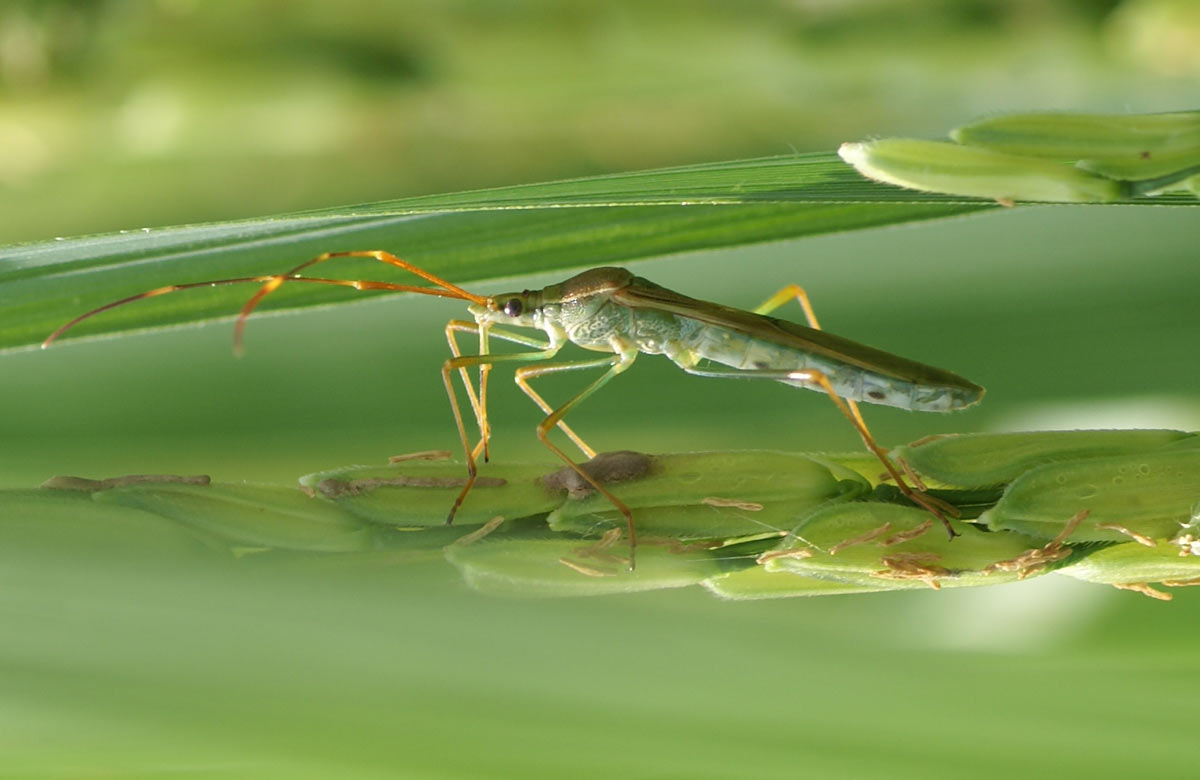
It includes some of the most common pest threats faced by UK farmers including wireworm, cabbage stem flea beetle and pollen beetle, as well as other globally important species.
It is hoped that the new database will help speed up the development of novel pest control approaches that can overcome resistance and create more nature friendly solutions to crop protection.
The four-year Pest Genome Initiative was developed by Rothamsted Research along with the agriscience companies Syngenta and Bayer.
They say their efforts will help in the development of products that are more species-specific and overcome the problem of resistance.
Non-chemical pest control methods may also be developed, such as manipulating insect behaviour; focusing on the genes that control how insects find mates and host plants and hence shepherd them away from crops.
The initiative will also help in the development of pesticides that are less likely to incite resistance evolving in their target species – a huge problem for farmers and often the reason for excessive pesticide use.
Before the researchers set to work, detailed genomes had been assembled for only a handful of the planet’s one million plus insect species – and even fewer of these were crop pests.
Rothamsted’s Professor Linda Field, one of the research leaders, said the future of farming would be ‘smarter’ and involve less pesticide use.
“Currently as much as a fifth of all crops are lost globally to pests, and this is predicted to increase to 25% under climate change," she said.
"Whilst non-chemical control methods can have some success in reducing crop losses, pesticides remain a necessary weapon in our fight against devastating crop losses and will so for the foreseeable future.”
By assembling these detailed genome ‘maps’ of annotated sequences, researchers say they will start to develop the next generation of pesticides – ones that very specifically target the pest whilst leaving other species unharmed.
All the pests included in the initiative are well known for attacking vitally important crops worldwide, including oilseeds, vegetables, cereals, fruits, beans, sugar and cotton.
The hope is that by having these higher quality genomes available, researchers will be able to better understand how resistance to pesticides evolves.
“Understanding the pests’ genes means we can understand the specific proteins they make," said Professor Field.
"By comparing these proteins to the proteins made by non-target species, we can tailor control methods that only work on pests. Examples include those proteins that allow pests to de-toxify pesticides, the basis of much evolved resistance.”
Another area for research will be into the genes involved in insect behaviour, the so-called odorant binding proteins and receptors, which allow insects to find mates or host plants. she added.
“If we can produce products that target those, we can potentially manipulate pest behaviour and shepherd them away from the crops.”
A further use for these genome sequences is in identifying insect species that have the potential to switch diets to feed on other crops – something that may become an issue in certain countries as pests migrate or new crops are grown as the climate changes.
The genomes will also be an important resource for the wider entomological community studying insect evolution, physiology, biochemistry and ecology.
Source - https://www.farminguk.com