UK - Potato yields affected by dry early summer

16.10.2023 612 views

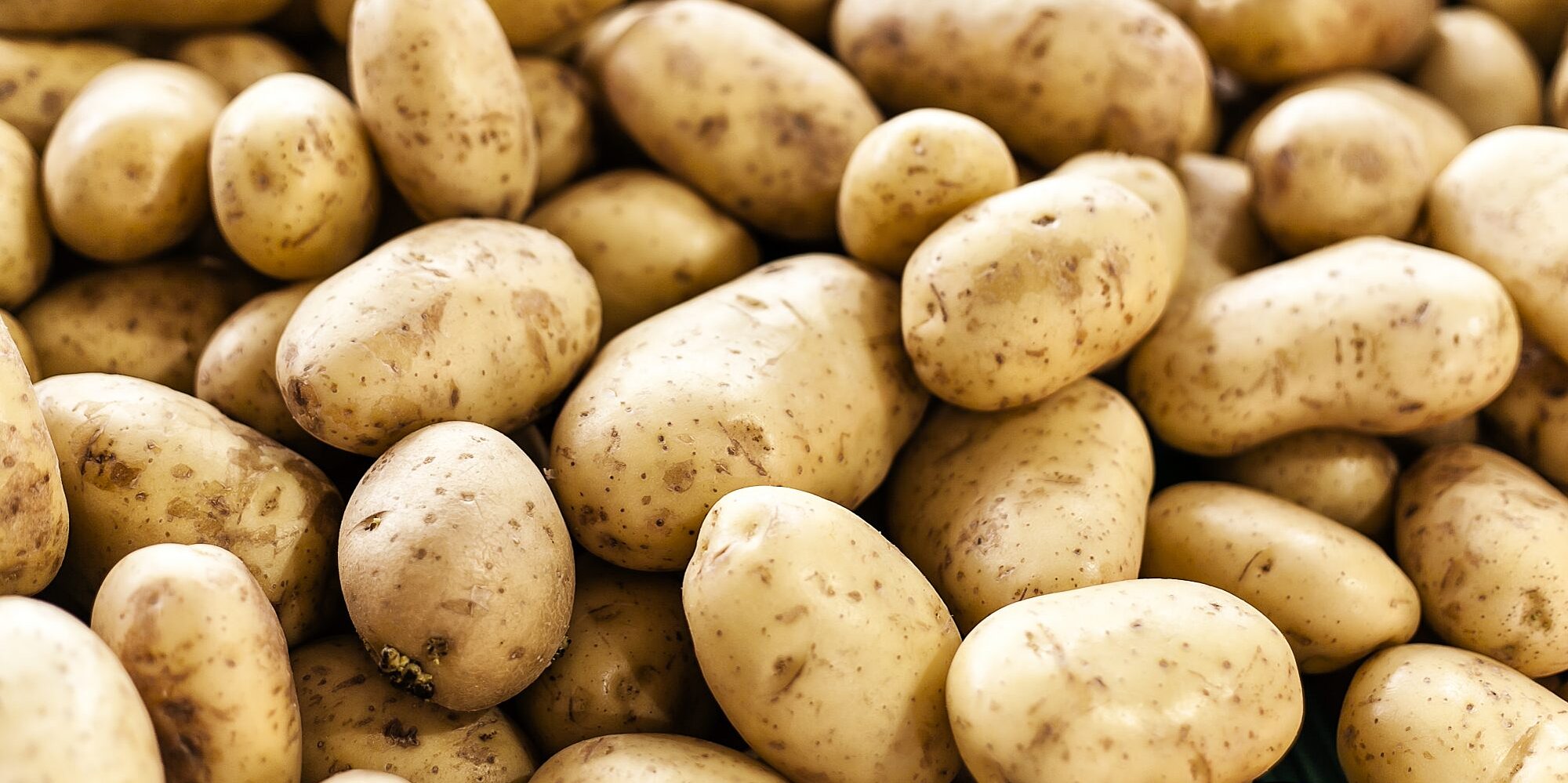
At Brickyard Farm near Slingsby, North Yorkshire, Andrew Wilson has just started on his 60 ha of potatoes for McCain. Lifting conditions are okay so far, he says: “We had 10mm of rain on Monday (2 October). It’s a bit damp but we’re travelling okay at the moment; if we have a week of rain we might be in trouble.”

Of course, harvest started a week later than usual. “We couldn’t desiccate quite as early as we would have liked, partly because of the wet weather at the end of September, and we knew if we started too early we would have to stop anyway,” he says.

As far as the yields are concerned, he is optimistic he will meet contracts: “Some look quite promising and some look like they will scrape in, so it will probably average out alright. It will be interesting to see how the indexation comes out this winter, but it’s too early to make any judgements yet.”

Two-thirds of potatoes yet to be harvested in Wilson’s Country
Wilson’s Country is confirming that two-thirds of this year’s potato crop has yet to be harvested around the country. The Co. Armagh-based potato packer and processer works with growers throughout the island of Ireland. Company managing director, Lewis Cunningham: “We are about six weeks behind with this year’s harvest. Yields are down approximately 10%, year-on-year. Tuber quality is also an issue.”

Cunningham confirmed that local potato growers are facing into one of the most challenging harvests in living memory. “The harvest is just the latest setback that has confronted potato growers this year,” he added. “The very wet weather in April meant that main crop potatoes were not planted out until the middle of May, a full six weeks later than would normally be the case. Drought-like conditions followed, which hampered the germination and early growth of crops. But then came the heavy rains of July and August.”

Source - https://www.freshplaza.com

02.09.2026

Philippines - Bayambang declares state of calamity over P31-M agricultural losses

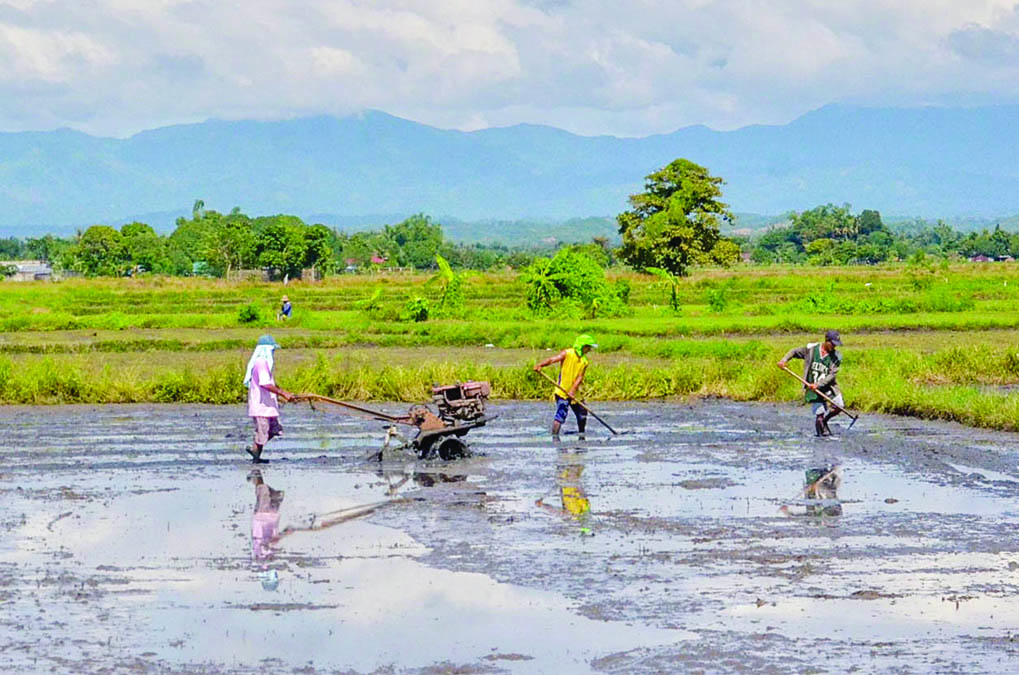
The municipal council of Bayambang has placed the town under a state of calamity after Tropical Storms “Luis” and “Maymay” and the enhanced southwest monsoon, or habagat, caused more than P31 million in agricultural losses.

02.09.2026

USA - Lynndyl farmers assess crop losses after 100 mph winds and hail

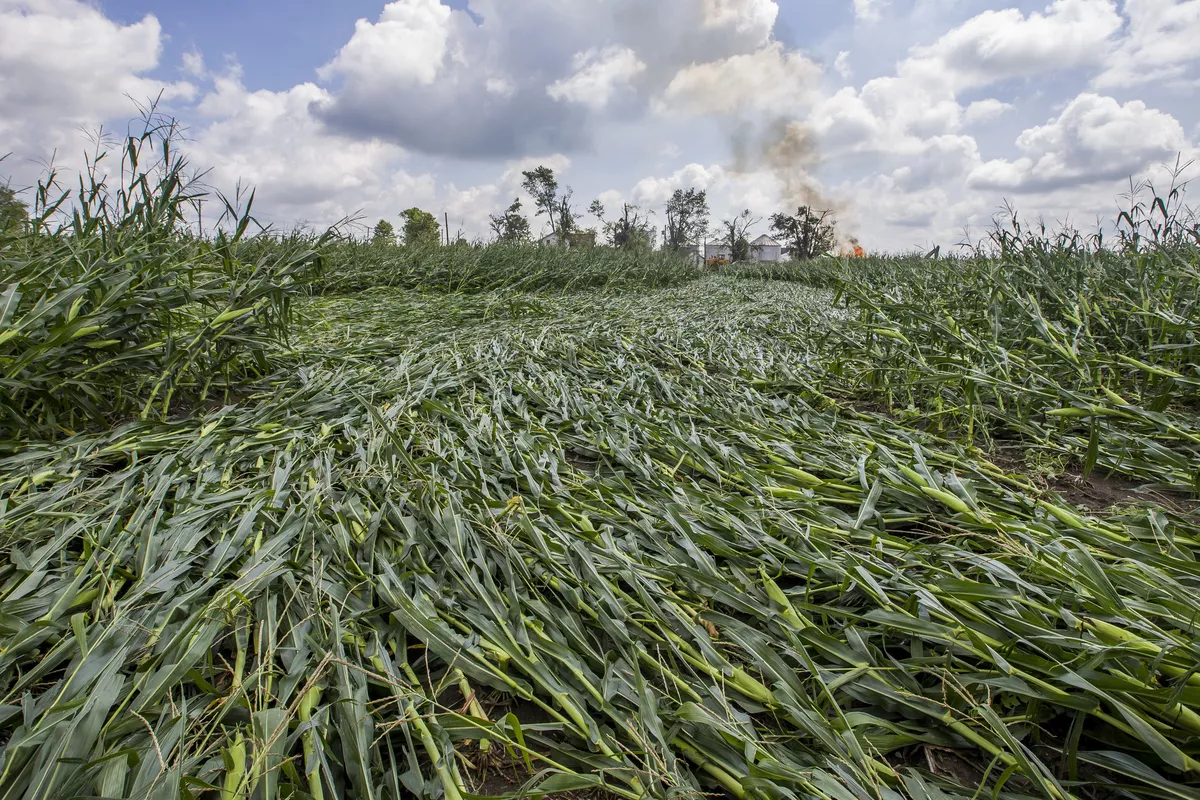
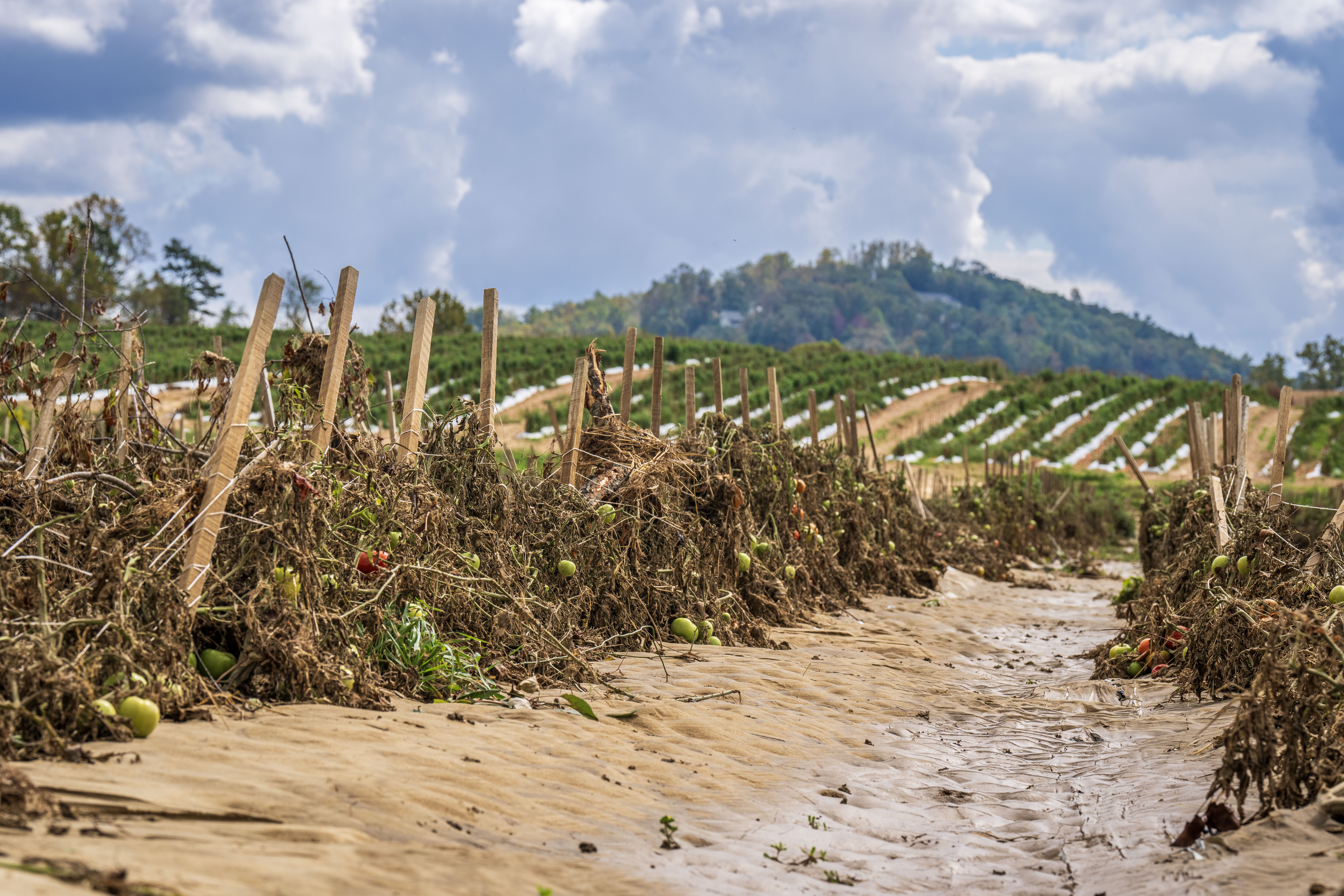
Farmers in and around Lynndyl are beginning to assess severe losses after a powerful weekend storm ripped through fields with destructive winds and hail just as some crops were nearing harvest.

02.09.2026

USA - New Insurance for Breeding Heifers

New LRP Coverage Aims to Reduce the Risk of Retaining Heifers for Breeding.

02.09.2026

Corn's $6 Surprise Could Change the Profit Math for U.S. Farmers

Corn may already be worth more than the board suggests as farm payments and incentives add about 52¢ per bushel to producer revenue.

02.09.2026

Philippines - Iloilo turns over P10M for farm, fishery insurance

The Iloilo provincial government has turned over P10 million to the state-owned Philippine Crop Insurance Corp. (PCIC) to expand insurance protection for farmers and fisherfolk vulnerable to losses from El Niño, La Niña, typhoons, pest infestations and other calamities.

02.09.2026

India - AP sees 1,263% rise in non-loanee crop insurance

The State witnessed a remarkable 1,263% jump in non-loanee farmer registrations, with their participation rising from 2 lakh in the previous Kharif season to 25.26 lakh farmers this year.

01.09.2026

South Africa - Grain SA calls for affordable crop insurance as dry weather threatens Swartland wheat

Severe rainfall shortages threatening the Swartland wheat crop have highlighted the need for government support to make crop insurance affordable for dryland producers.

01.09.2026

USA - Florida farms face nation’s highest disaster loss rate

Natural disasters destroy billions of dollars in U.S. agricultural production each year. From drought and wildfires in the West to hail in the Midwest and hurricanes in the Southeast, farms lose an average of $5.1 billion in crops and livestock annually, according to the Federal Emergency Management Agency.