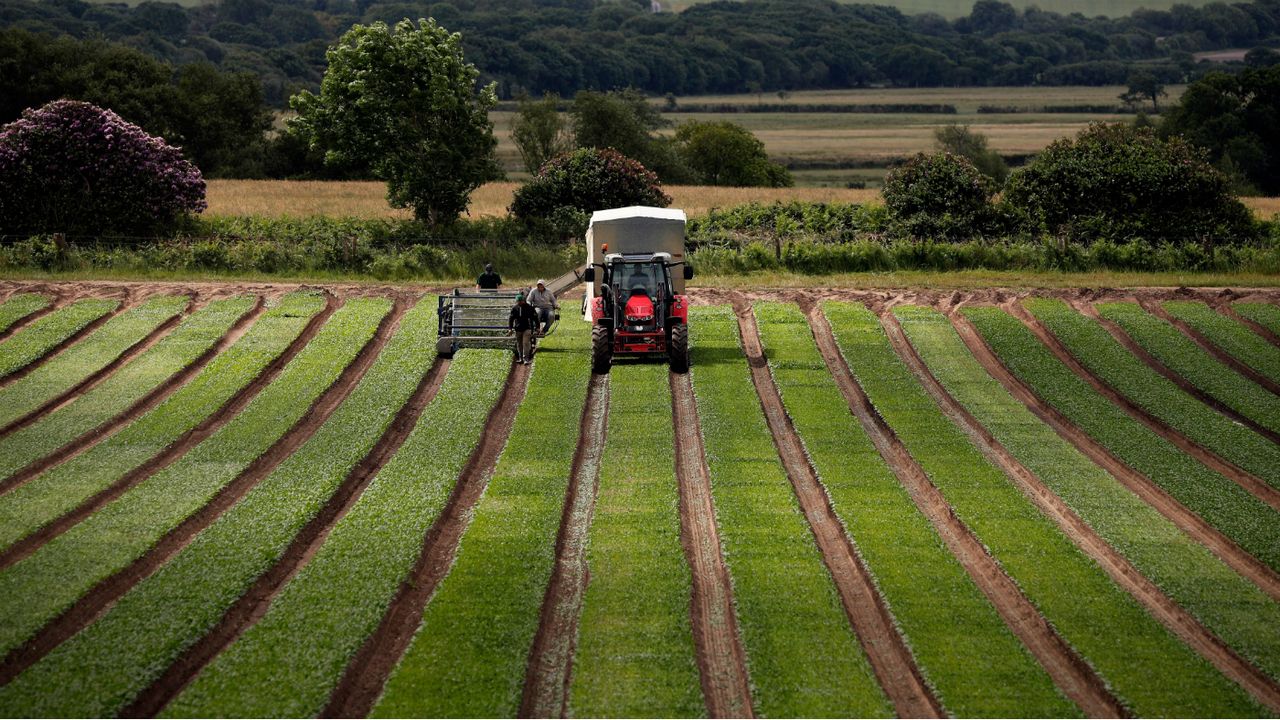
Although recently we have been discussing and analysing how weather all over the globe has been impacting our cereal and oilseed prices, how has UK weather been for our domestic winter crops?
Fortunately, we have not had the disaster of Autumn 2019 this year and most cereal and oilseed crops were sown by November due to favourable weather. Further to that, crops have been faring well. In our crop development report using data up to 29 November, 87% of winter wheat was rated ‘good-to-excellent’, up from 84% in the same period last year.
A lot will pin on what happens over the coming months as we come out of winter. Wet and cold May does not always mean plenty of corn and hay, as 2021 harvest displayed.
Although it’s quite hard to predict weather too far into the future as a small event over the Atlantic can have the potential to impact the UK’s weather in several days’ time. Currently in the long range forecast, the Met Office predict that towards the end of February this period is likely to be characterised by changeable weather, with unsettled and windy conditions, especially in the Northwest. The East and Southeast are forecast more settled conditions. Overall temperatures likely to remain at averages or slightly milder, with a chance of short-lived colder spells.
Ring around the moon? Rain real soon
As far as rain goes, for this cropping year for harvest 2023 we have had a national total of 736.3mm of rain so far (taken from July 2022 to January 2023), which is near enough average for the same period over the last five years. However, in November monthly average rainfall was pegged at 159.8mm. This is the highest in comparison to the last five years, and the highest since 2015.
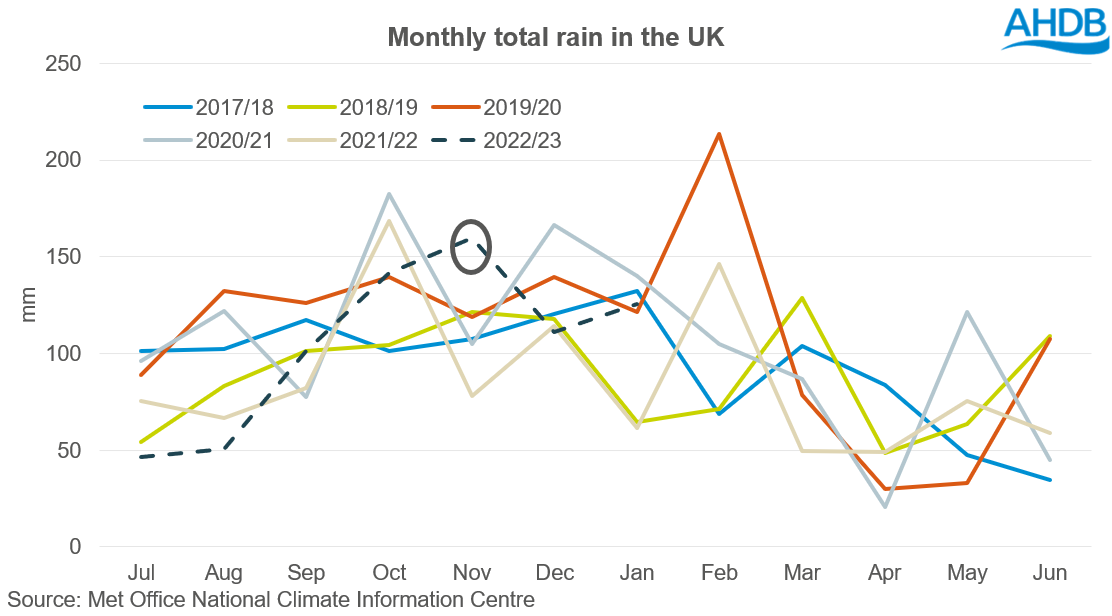
Our total rainfall this so far this cropping year is the third lowest in comparison to the last 5 years, but this isn’t necessarily a problem. As total rainfall is slightly ahead of 2021/22 and 2018/19, when a large crop of 15.5Mt and 16.2Mt was produced, respectively.
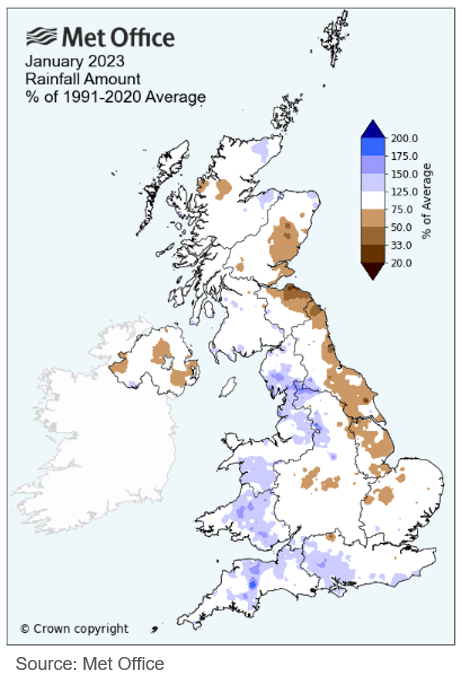
Regionally looking at rainfall, it appears the month of January has been characterised by wet in the West and drier in the East. With the National Drought Group forecasting some drought conditions to continue in England into Spring, especially in the East, rainfall is something to watch as the season progresses. The Southwest and South Wales has had similar rainfall to Scotland in January. The lowest rainfall has been in the Midlands, where Eastern parts of the Midlands have received below average rain.
Every month curses a fair February
For this cropping year so far nationally, we have had 27.1 days in total with air frost (minimum temperature below zero), which is around the average for the last five years. However, the month of December nationally on average we had 14.5 days of air frost, the highest in the last five years and the highest since 2010.
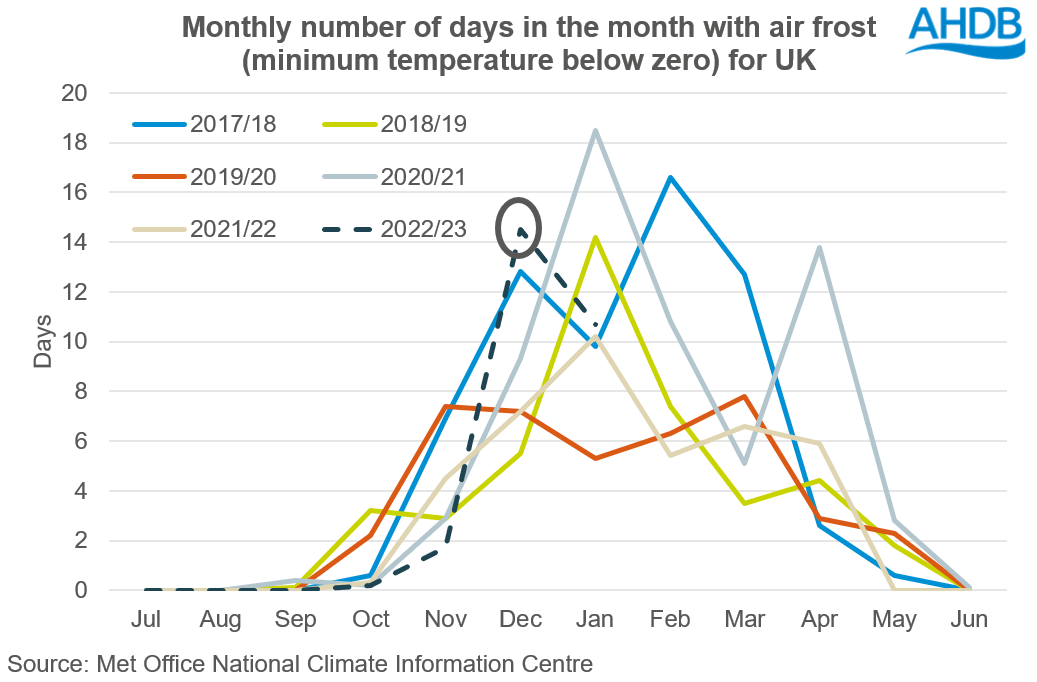
To some extent this isn’t bad news, as for winter crops to optimally perform and produce good yields, we need a cold climate for vernalisation. So far, the air frost days are in line with 2018/19 marketing year, the bumper year mentioned above.
Conclusion
All in all, there isn’t any huge concern for winter cropping, if anything we've had typical conditions. Two months into the meteorological winter, the Met offices statistics are remarkably near average for rainfall and sunshine so far, with a mild outlook forecast in too. All eyes will be on spring cropping as we head into spring drilling.
Source - https://ahdb.org.uk