The impacts of climate change in central California’s agriculture hub are causing such drastic increases in irrigation demands that annual water use over the past decade now matches the volume of the region’s biggest reservoir, a new study has found.
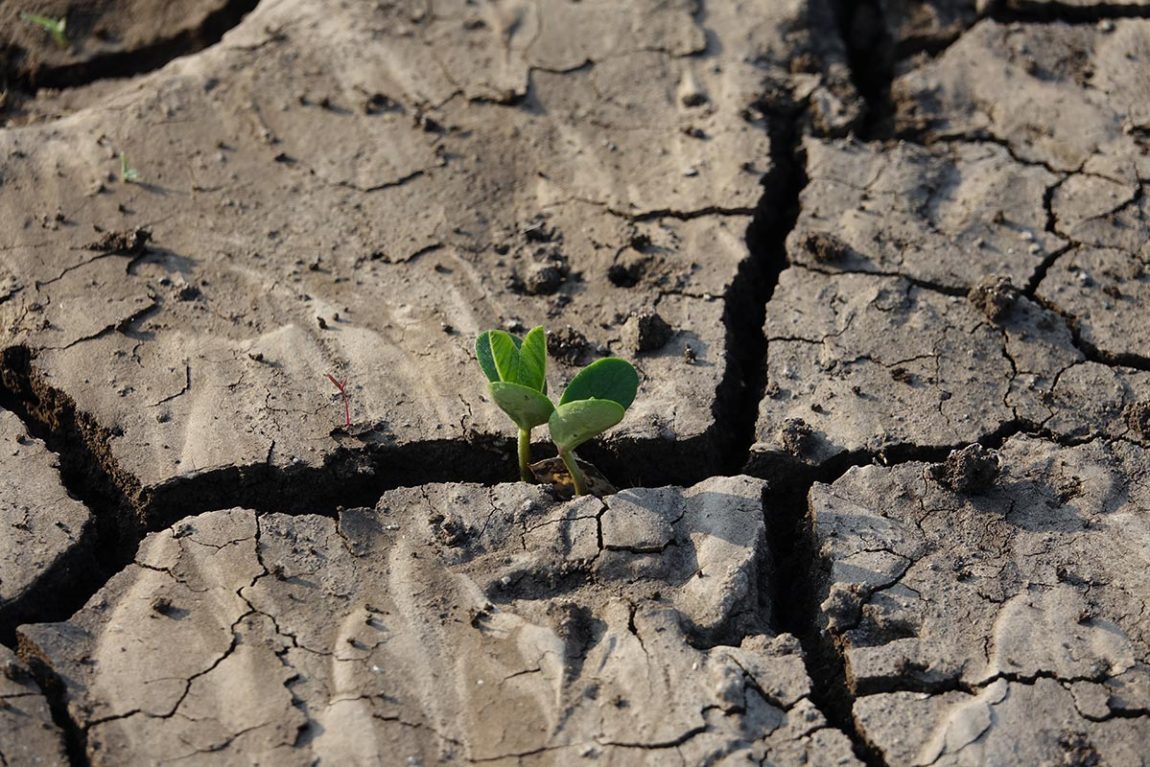
California’s San Joaquin Valley — among the most productive farming regions in the world — has in recent years endured both excessive heat and multiyear droughts, leading to unseen upsurges in groundwater consumption, according to the study, published Wednesday in the journal PLOS Water.
“It’s water that’s effectively disappearing,” senior author Joshua Viers, a professor and associate dean of research at the University of California Merced School of Engineering, told The Hill. “It goes unnoticed, but it’s very real.”
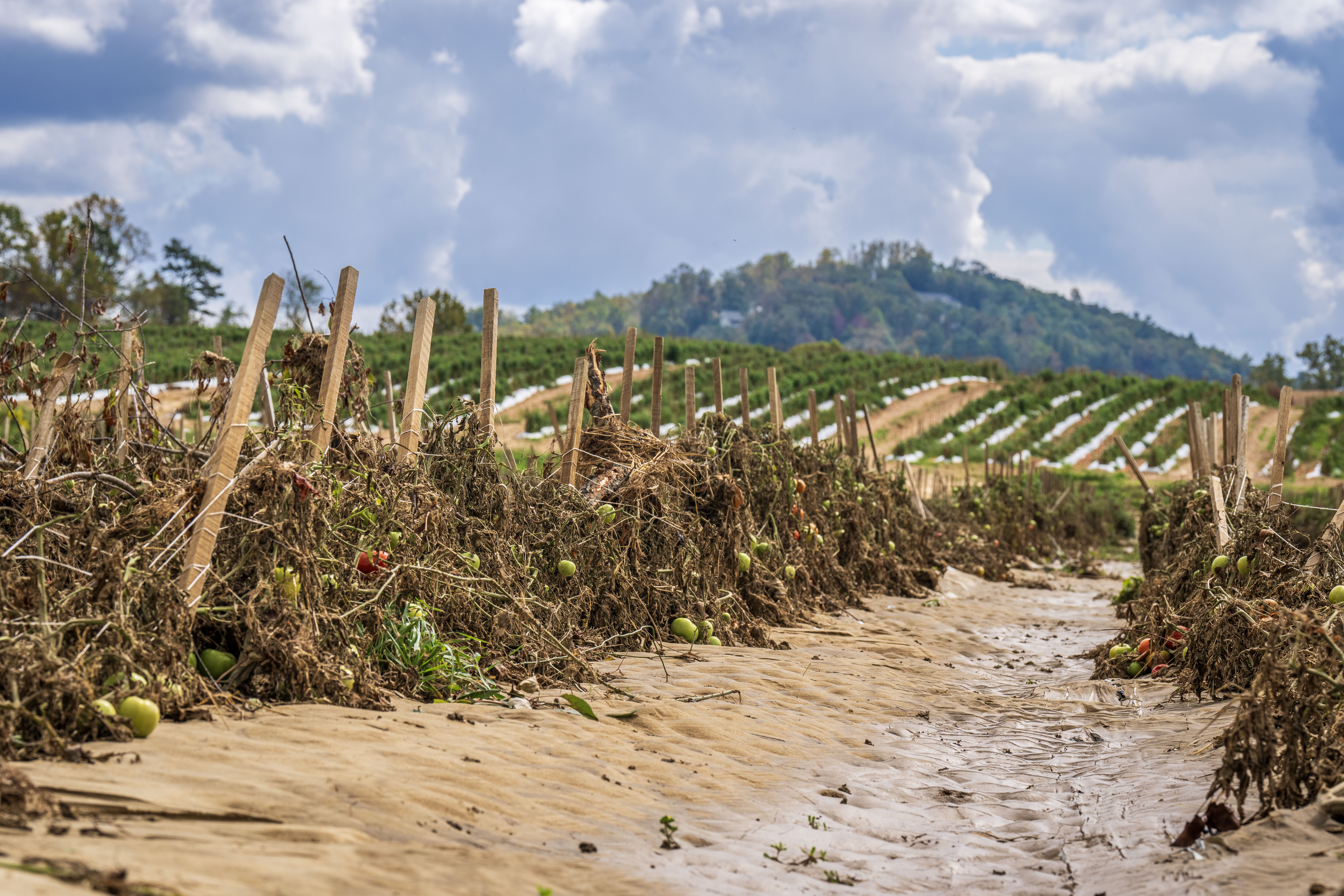
The valley is “a critical region for global fruit and nut production,” due to its Mediterranean climate, per the study. California as a whole provides 81 percent of the world’s almonds, 42 of its pistachios and 26 percent of global processing tomatoes.
Yet in a region with a rapidly dwindling water supply, these crops necessitate “significant irrigation provided by a combination of surface and groundwater sources,” the authors stressed, noting that the latter has been overtaxed for more than a hundred years in parts of the state.
“There’s a dynamic tension between supply and demand,” Viers said.
Attributing the supply variability to the Mediterranean climate, he explained that wet winters and hot, dry summers create an inherent “disconnect between water availability.” That disconnect applies both in time and space, with the most precipitation occurring in areas “far removed from the principal demands in cities and farms.”
Nonetheless, the San Joaquin Valley’s agricultural production remains “a key driver of the regional economy and important contributor to the nation’s food supply,” according to a 2023 brief from the Public Policy Institute of California.
The 2023 policy brief estimated that by 2040, average annual water supplies could plunge by 20 percent and eliminate up to 50,000 jobs and require the fallowing of nearly 900,000 acres in a worst-case scenario.
Although the region’s groundwater levels have been subject to a centurylong downswing, the pace of that shrinkage “has accelerated in the past two decades,” according to the Wednesday study.
“This acceleration of groundwater depletion coincided with multi-year to multi-decadal droughts that have been among the most extreme in a millennium,” the authors stated.
To determine the magnitude of crop water loss in recent decades, the scientists harnessed both climate data and “crop coefficients” — ratios used to determine the total water loss a plant incurs.
They found that climbing demand could explain about half the cumulative deficits of the region’s agricultural water balance since 1980 — a situation that has increased reliance on depleting groundwater supplies and unstable imports.
Dubbing this phenomenon an “invisible water surcharge,” the scientists determined that from 2012-2023 alone, such demand has risen by 4.4 percent in comparison to a 1980-2011 baseline.
This translates to an annual increase of 717.9 gigaliters per year, which surpasses the 690-gigaliter capacity of the San Joaquin Valley’s largest storage site, the Millerton Lake Reservoir, per the study.
“It’s effectively this surcharge that we’re paying because of human activity,” Viers said.
And when considered cumulatively over the 12-year study period, this demand exceeds the storage capacity of the valley’s five largest reservoirs combined, the researchers noted.
“Sustainable water management is of particular importance in the southwestern U.S. given the dual stressors of climate change and overallocation of water resources,” the authors stated.
At the same time, however, they warned that “the invisible water surcharge jeopardizes the sustainability of fruit, nuts and vegetable production,” while deepening the industry’s dependence on dwindling groundwater, declining snowpack and unreliable water imports.
Surging water demands, they concluded, have created “a stressor to the sustainability” of these industries and require “changes in management and policies to consider the shifting hydroclimate.”
Among the solutions Viers said he could foresee for the region is an increased use of precision irrigation or switches to more drought tolerant crops. For example, he explained, some farmers in the San Joaquin Valley have begun growing agave — the desert plant used to produce tequila.
“There’s some seasonal following of some particular crops that could be advantageous,” he added, pointing to alfalfa as one such water-intensive crop that could be grown during just part of the year.
“While the 4.4 percent might not sound like much, the area of the San Joaquin is so large that it actually does translate into quite a bit of water,” Viers said, referring to rise in demand over the past decade.
“It effects a big portion of the American grocery basket,” he added.
Source - https://thehill.com