While we were rightfully worried about the hard freeze that descended upon Texas last week, you might have missed the news that drought conditions across the state have eased to levels not seen in more than a year.
Unfortunately, the improvement comes too late for Austin, which will end this year with cumulative rainfall nearly 10 inches below normal, making 2022 the city's driest year since that drought-plagued and heat record-setting year of 2011, data from the National Weather Service show.
How much rain has Austin gotten so far?
Despite having a rainier than normal November, Austin remains about 0.59 of an inch shy of normal rainfall for December at Camp Mabry, the site of the city's main weather station. As of Thursday, the city had logged only 1.95 inches of rain in a month that normally would have produced around 2.54 inches by now.
Austin's cumulative rainfall since Jan. 1 is about 26.59 inches, which was about 9.48 inches below normal for this point in the calendar, according to National Weather Service data. The rainfall total isn't surprising given the year we've had, including 68 days of triple-digit temperatures.
With trace amounts to no rain expected in Austin through Sunday, the city's cumulative annual rainfall for 2022 would be the lowest since 2011, a year that saw 90 days of 100-degree weather and generated only 19.68 inches of rain.
How bad is the drought in Texas?
Drought data released Thursday from the U.S. Drought Monitor, a joint effort of the National Drought Mitigation Center, the U.S. Agriculture Department and the National Oceanic and Atmospheric Administration, indicate that drought conditions across Texas have improved, with only 72.4% of the state is experiencing drought. That's the lowest percentage in drought since the week of Nov. 30, 2021, when it was about 71.4%.
Meanwhile in Central Texas, the rain that soaked the region in November and earlier this month has eased drought conditions locally:
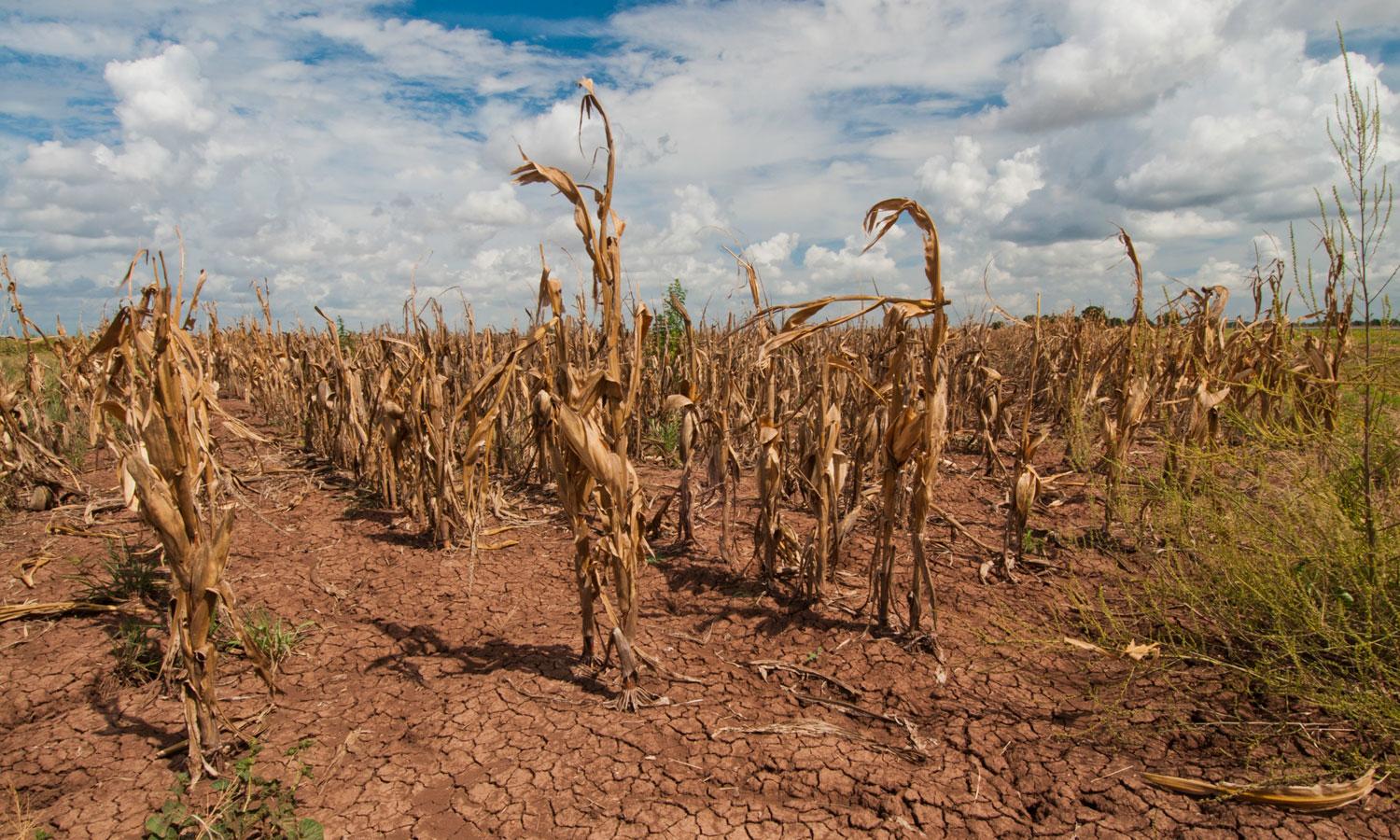
- Only about 19% of Hays County along its western and southern border remained in exceptional drought, which is the worst level of drought and typified by widespread crop loss and sensitivity to fire danger. That's a drop from 53.7% at the beginning of November.
- The southwestern corner of Travis County, or about 12%, remained in extreme drought, the second-worst level, which includes cracked soil, decreased crop yields and the need for supplemental feed for livestock. That's a decrease from 46.3% in early November.
- About 49% of Caldwell County, along its southwest border, remained in severe drought, which is typified by poor pasture conditions, hard soils and low crop yields.
- About 63% of Williamson County remained in moderate drought, which often can mean stunted crops, early cattle sales and increasing frequency of wildfires
- Most of Bastrop County, about 83%, was considered abnormally dry, the lowest level of drought, with its northern corner drought-free.
Drought Monitor data indicate that only about 6.4 million of the state's 29 million residents live in drought-stricken areas. Also, 2022 to date is the state's 15th-driest year in the past 128 years.
How are Austin-area water supplies holding up?
Regional watersheds feed critical water sources such as underground aquifers and the Highland Lakes west of Austin along the Colorado River. Here's where they stand:
- Data from the Lower Colorado River Authority, which manages the Highland Lakes for hydroelectricity and flood control, show the volume of water stored in the reservoir lakes, Travis and Buchanan, was around 1.06 million acre-feet. The lakes are considered full when they contain a combined 2 million acre-feet. One acre-foot is the amount of water it takes to cover an acre a foot deep.
- Lake Travis, the popular aquatic playground that doubles as a regional water source, was considered to be at only 47% of capacity, LCRA data show. The water elevation at Mansfield Dam, which forms the lake, was about 640 feet above mean sea level, which is about 26.8 feet below the historical average for December.
- Readings from index wells in the Edwards Aquifer, an underground layer of porous, water-bearing rock sitting beneath Central Texas, show minimal improvement. At the start of December, the aquifer level at the J-17 index well in Bexar County had a 10-day average reading of 638 feet, which is 30 feet lower than the historical December average, according to the National Weather Service. On Thursday, however, the J-17 well's 10-day average was 637 feet, with a daily reading of 637 feet, the Edwards Aquifer Authority reported.
What's the winter outlook?
Forecasters expect La Niña, to linger into the coming months. It has played a major factor in drought conditions this year.
La Niña — a phenomenon in which the tropical waters of the eastern Pacific become cooler than normal — can alter the path of the jet stream, a circulating river of air that keeps cold air pent up north. During La Niña, the jet stream typically stays farther north of Texas, leading to periods that are warmer and drier than normal.
Sometimes, Mother Nature defies expectations, as she did last week when the jet stream collapsed southward and brought the freeze temperatures that gripped Austin last week.
Nevertheless, the Climate Prediction Center's "forecasts indicate a 75 percent chance that La Niña ... will persist across the tropical Pacific for the third winter in a row."
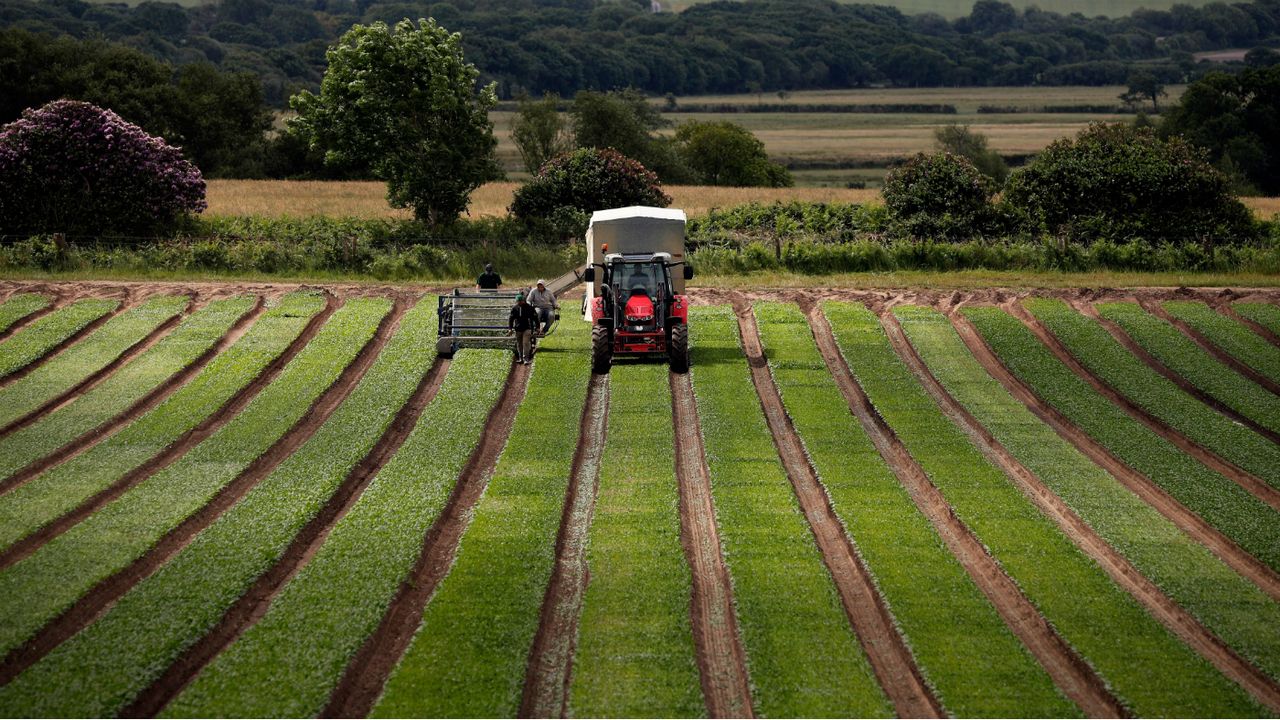
A drought status report for Texas released by the National Integrated Drought Information System and its partner agencies earlier this month found that while late November rain benefited much of the state, more moisture is needed for crops to thrive.
"Cooling temperatures and beneficial rain that covered most of the state in late November allowed sufficient soil moisture for wheat and cool season crops to green up," the report stated, but added that "increased soil moisture hindered pecan, cotton, and peanut harvests."
"Even small amounts of precipitation will be beneficial for the winter wheat crop, but drought-busting storms are unlikely to happen until spring," according to the report.
Source - https://eu.statesman.com