Every area of Louisiana still is experiencing drought, even though some corners have seen conditions ease a bit after much needed rains.
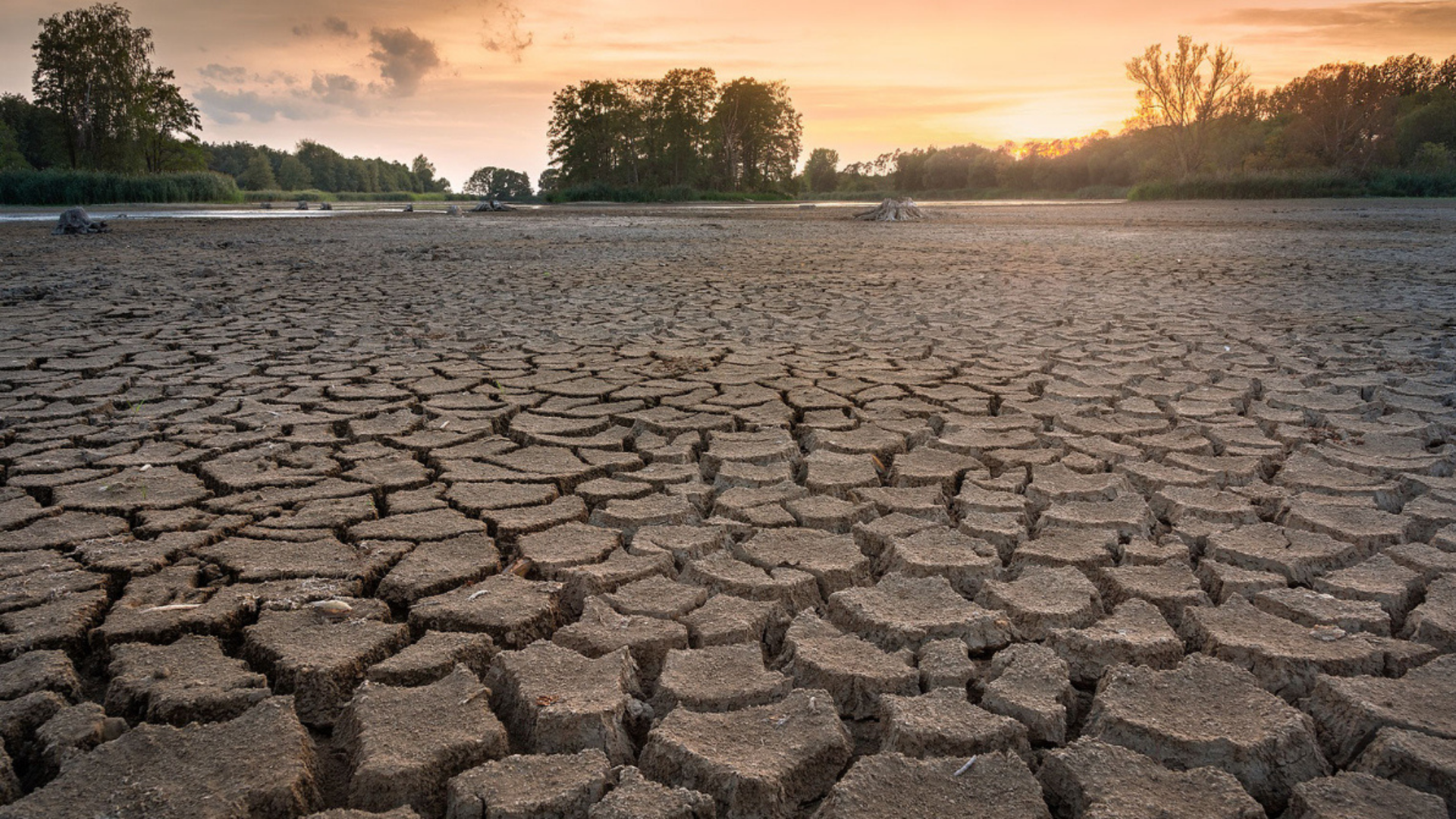
But a swath across the state, including Rapides Parish, remains in an exceptional drought, the most extreme category recognized by the U.S. Drought Monitor.
An exceptional drought means an area experiences widespread crop and pasture losses, fire risks and water emergencies and shortages in reservoirs, streams and wells. Conditions are forecast to improve across the state, and small portions of the state — northwest and southeast — might exit their droughts by the end of February.
That description is backed up by figures from the LSU AgCenter, as well as the closure of Lake Buhlow in Pineville.
While the summer's high temperatures and drought have cost agriculture and forestry producers at least $1.69 billion in damages, that figure likely will rise as the drought lingers. And Buhlow will remain closed until plans can be finalized to pump water from the Red River into it, said Doug Gann, chief of staff for Pineville Mayor Rich Dupree.
The river is not suffering from the drought, said Marcus Long, the operations and maintenance director for the Red River Waterway Commission.
Others haven't been so lucky, though.
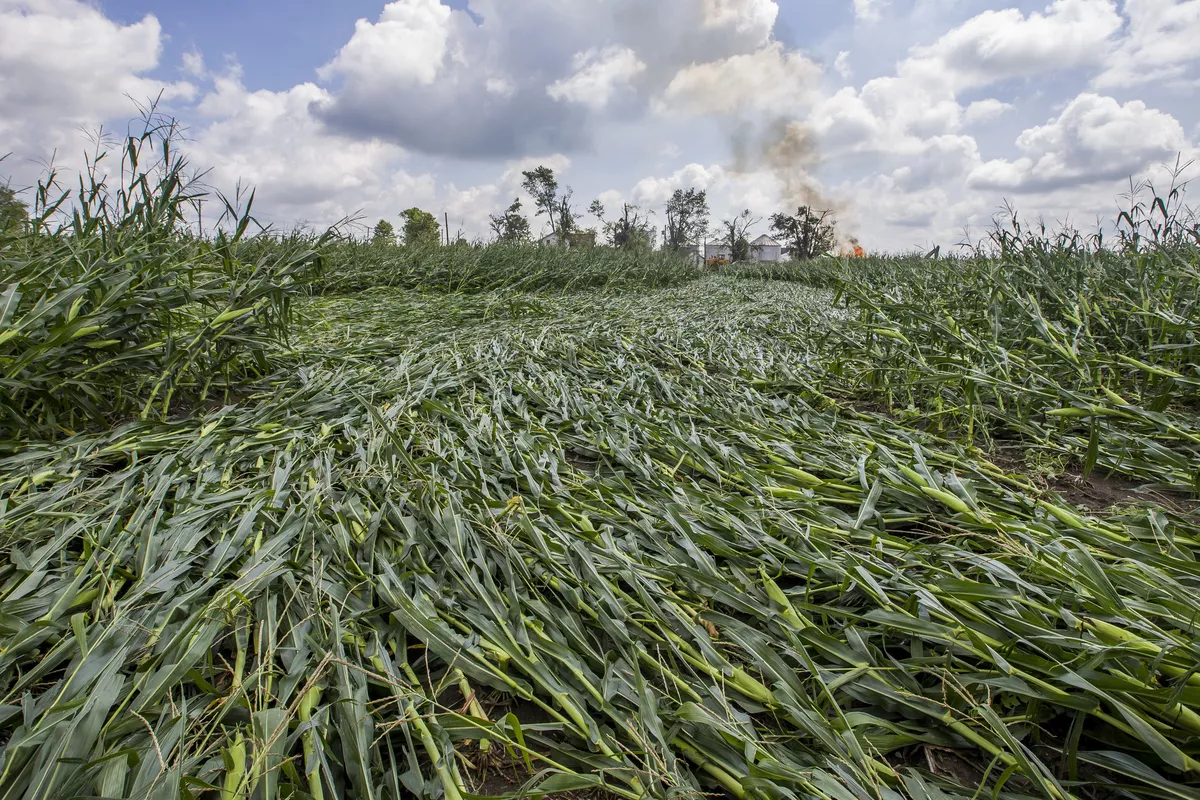
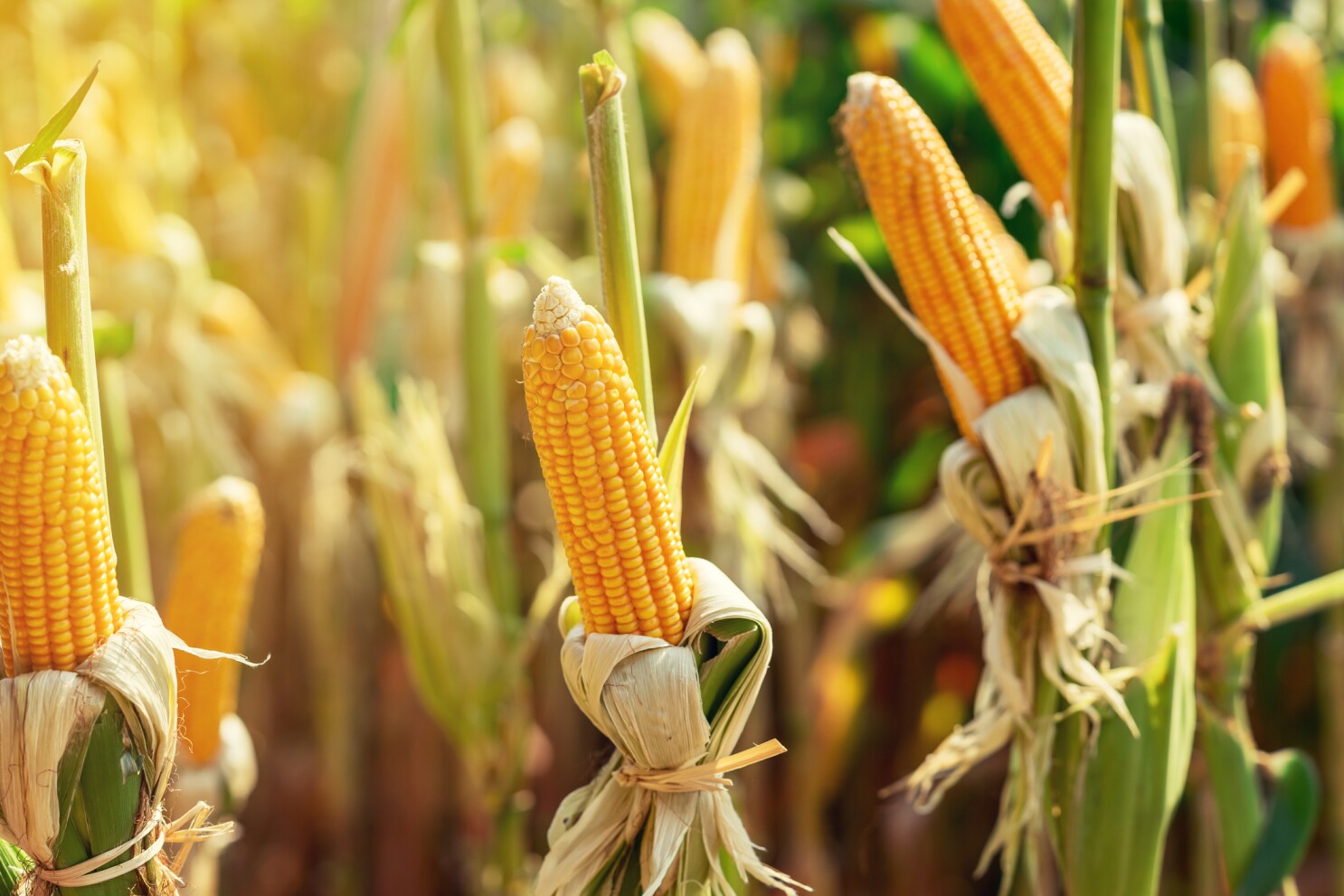
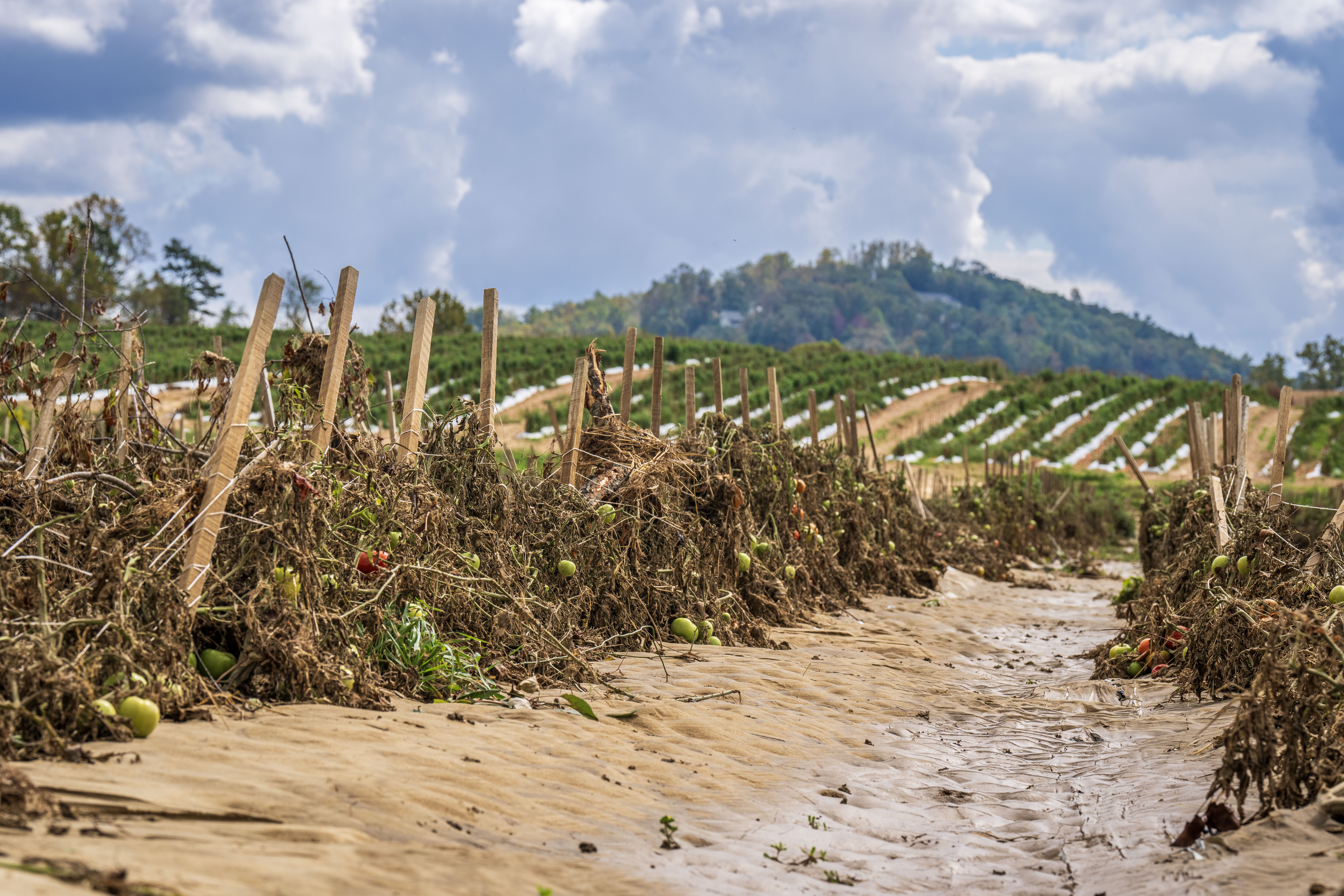
The report released by AgCenter economists details losses suffered by farmers, livestock producers and foresters. About 50% of the damages, or $836.5 million, were suffered by farmers who had crops that died or were stunted.
"Unlike past natural disasters, which impacted only portions of the state for short periods of time, drought conditions coupled with record-high temperatures persisted statewide throughout most of the 2023 production season," wrote economists Kurt Guidry, Jinggang Guo and Raghav Goyal.
Because of the drought, farmers have had to pay more money to irrigate their fields, according to the report. But, now that the 2023 season is largely finished, farmers have a brief respite to see what Mother Nature has in store.
"It's a waiting game," said Justin Dufour, an Agriculture and Natural Resources extension agent with the AgCenter who works out of Avoyelles Parish and a few other Cenla parishes.
He said producers are making decisions around this time on what and how much to plant, and a lot of those decisions can be driven by market prices.
"A lot can change in a couple of months," said Dufour about the chances for rain.
Cameron Kowalski, a meteorologist with the U.S. National Weather Service in Lake Charles, said the state needs a steady amount of rainfall frequently enough to break the drought's stranglehold. Areas can receive an enormous amount of rain in one night, but "that’s not necessarily going to alleviate the drought then and there.”
The area around Alexandria has had less than 2 inches of rain since Dec. 1 through mid-month, which remains below where the region should be at this time of year, he said. But the drought is forecast to improve for about 95% of the state by month's end.
And the extended forecast shows the area is likely to have an above normal change of rain through the end of February. The El Niño weather pattern could bring a wetter winter to the South, too, said Kowalski.
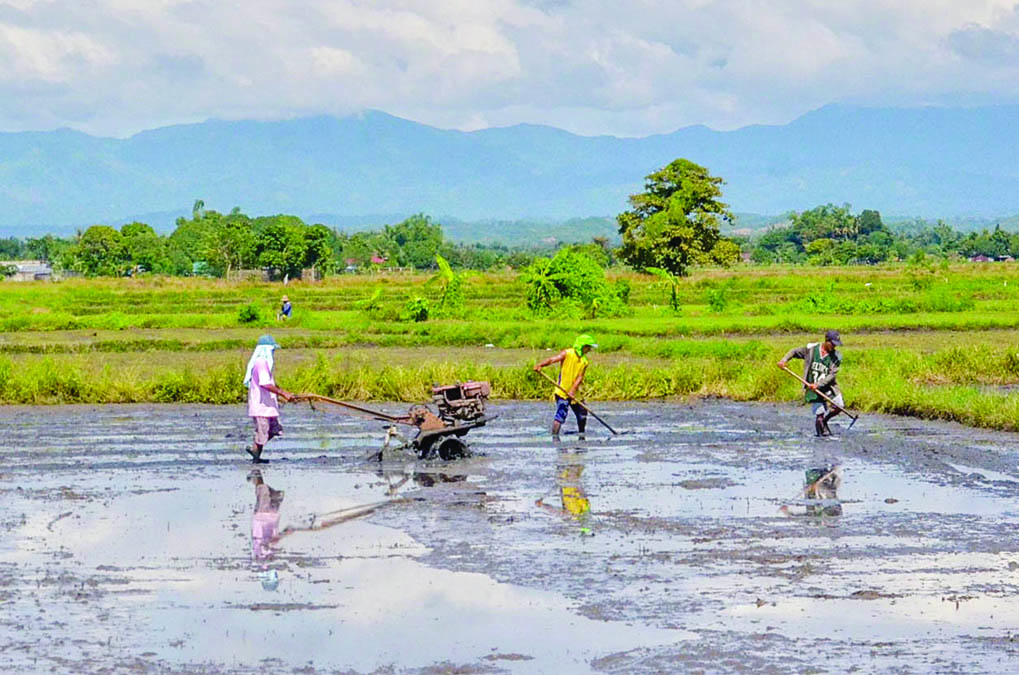
Dufour said the dry conditions have allowed farmers to do a lot of field preparation, which he called a good management practice. But, on the other hand, he said some producers have had drought-related problems doing that, like equipment failures and overheating because of the summer's excessive heat.
"It was a unique year, and one I think a lot of people are ready to turn the page on," he said.
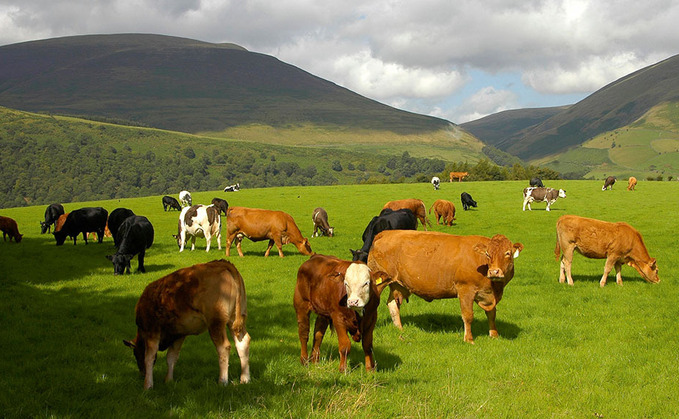
Livestock producers "are still hurting real bad," said Rodney Johnson, an AgCenter regional livestock specialist who himself is a producer.
Johnson says he knows farmers have had a rough time, but he considers livestock producers to be in worse shape now.
While farmers have about a two-month window for rain before they really begin planting, livestock need to eat now, and the drought has caused a shortage of hay and other winter forage material that would feed them.
Johnson said there already has been a lot of livestock sold off and culled and believes that could continue into the winter.
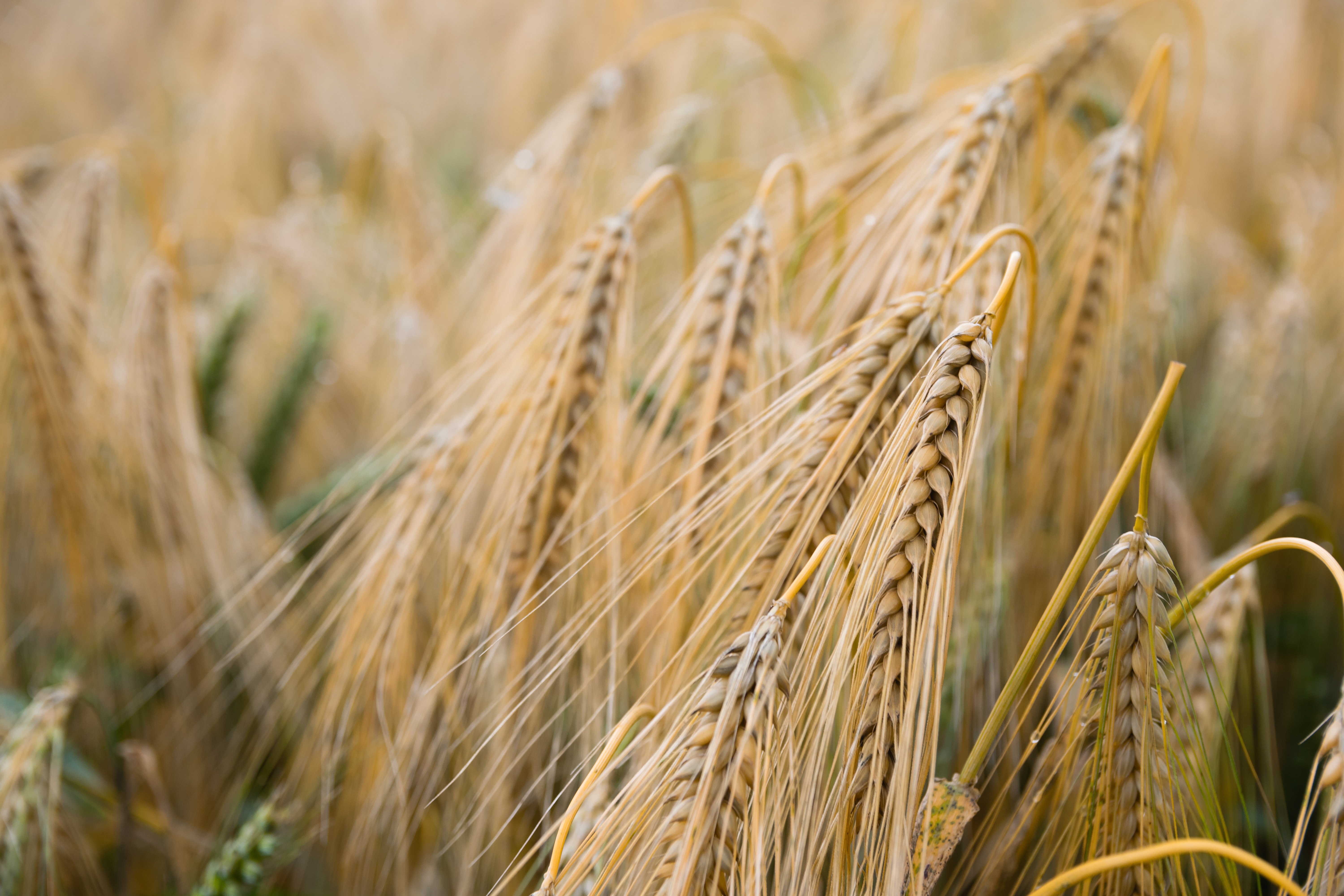
Rye grasses are growing, he said, but both rye and wheat were planted so late because there was no rain to allow it to germinate. However, the last rains that fell in the region did help a lot, he said.
In addition to rain, producers need days with temperatures in the 40 to 60-degree range, he said.
According to the AgCenter report, livestock and hay producers had $389.2 million in losses. Those losses include "animal deaths, forced liquidation, reduced sale weights, abortions and reduced milk production," reads a release.
The report also includes forestry losses attributed to wildfires ($71.4 million) and slowed tree growth and replanted seedlings due to the drought ($249.5 million).
The full picture for the state's crawfish industry isn't known yet since the production and harvest season just is getting underway, but the report estimates a loss of $139.8 million.
While the report put a price tag on the impact of the drought, it's certainly not a final tally.
"There is potential for multi-year impacts to materialize that would increase the challenges faced by certain agricultural industries," it reads.
As far as plans for Buhlow, Gann said regular rainfall won't be enough to replenish the popular lake. He said the city has been working with the U.S. Army Corps of Engineers and the Red River Waterway Commission on the plan to pump water into the lake.
The project got a case number on Monday, so plans now can be finalized. The 30-acre lake takes nearly 59 million gallons to fill, "way more than a garden hose or some rain" can do, said Gann.
Once a pump is put into place, it's estimated it will pump 2,000 gallons of water per minute over 21 days to refill the lake.
But Gann said the lake's closure has given the city an opportunity to make repairs to the boat launch and dock, as well as adding a bit more to the dock. Crews have been able to clean up parts of the lake, and he said they're working on a potential beach area and picnic tables.
The city will have to rent the pump and pay for diesel to power it, but Gann said the lake won't recover if these steps aren't taken. He estimated everything might be ready to start at the end of January.
"It just takes that long to line up and get in place," he said.
Source - https://eu.thetowntalk.com