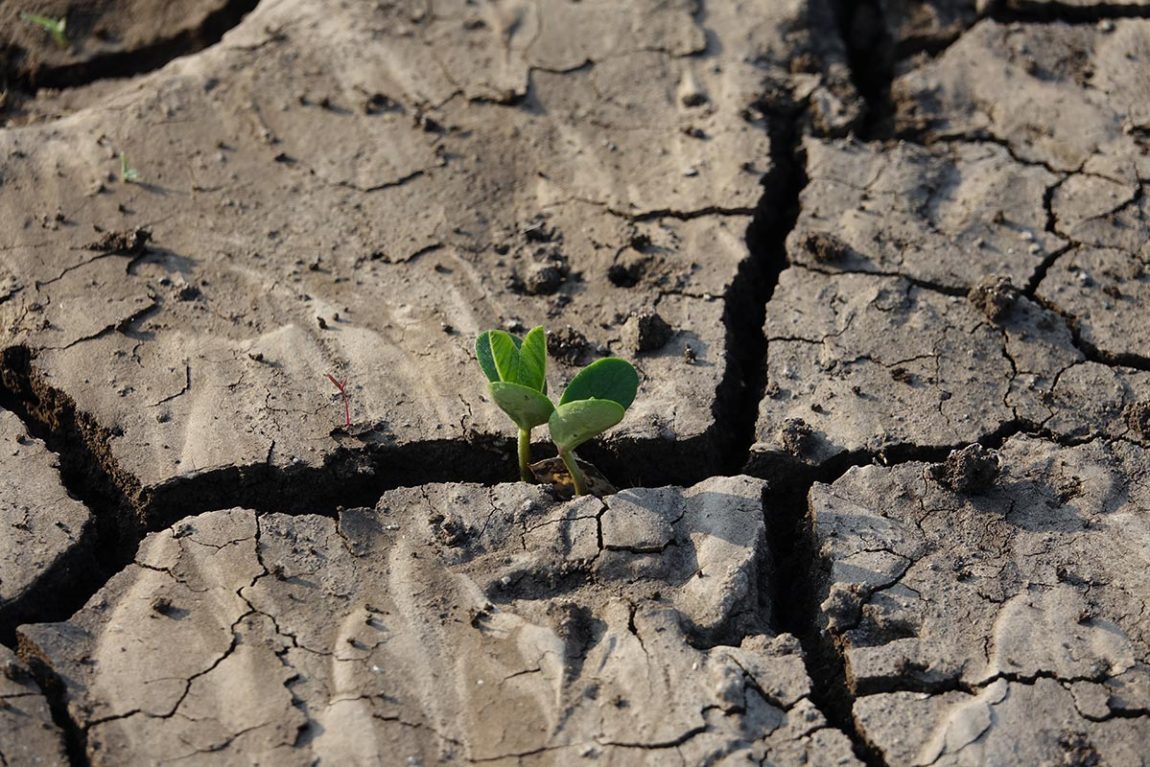
The ongoing fallout from the drought is impacting farmers’ crops across our state. Yield loss isn’t anything new, but technology made in our state can help prevent crop loss.
At the Horticultural Crops Research Station in Sampson County, superintendent Hunter Barrier and others are researching vegetable crops, like sweet potatoes.
“We'll do over 100 different research projects, and some of our research focus areas are weed science, plant breeding, cultural management studies, new and emerging crops," Barrier said.
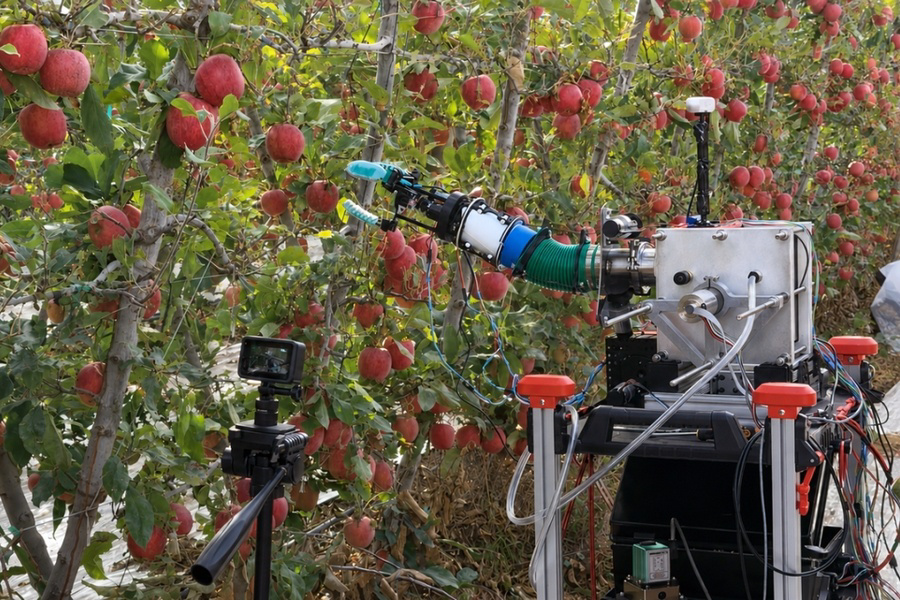
Barrier says the future of agriculture is technology, saving time and money for farmers, allowing them to be more profitable and efficient.
“We can fly the drone, and then AI can estimate the number of potatoes, estimated weight, size, distribution,” Barrier said.
Technology is being created across the state to help these farmers produce better and more profitable yields, including at N.C. State.
Zach Hetzler, a graduate of NCSU and co-founder and CEO of Verdia Diagnostics, is one of the many researchers crafting the new generation of technology in agriculture.
Verdia’s staple product is a small sensor patch that is placed on the leaf of a plant that will essentially smell the gasses emitted by plants to detect the health of the plant.
“Some stresses are very immediate responses that we see within minutes,” Hetzler said.
He said some stresses like a lack of water could show signs over 12 hours to a day. The sensors will be able to identify the onset of a disease up to a week before visual symptoms appear.
Up to 40% of food crops across the world are lost to pathogens and pests every year according to N.C. State, costing growers an excess of $200 billion annually.
The data collected by the wireless plant sensors are then collected by a grower's smart phone.
Currently, the sensor is being piloted in a greenhouse in Wilson and another at the N.C. Plant Sciences Initiative on NCSU’s campus. Hetzler said the focus crop right now is tomatoes.
“Tomatoes are quite smelly… So it makes sort of a nice model system to develop our sensor on,” Hetzler said.
But how does it work?
Verdia Diagnostics is working with NCSU and the N.C. Plant Sciences Initiative to further develop the patch with postdoctoral scholars like Jin Xu, and Ph. D. student, Srinivas Rao Voruganti.
“This sensor is like a flexible soft material. So we have a three-layer structure. So the first layer is like plastic. They can very easy to bend, the second layer is a… conducted tape. So it can serve as the electrode,” Xu said. “… We also use a CAD software to design this interdigital electrode pattern. And then we use a laser cut on the pattern we design.”
Once the electrode is cut, chemically selective conductive materials are deposited into the grooves.
“These chemicals will help the sensor to know how the plants are feeling,” Voruganti said.
Hetzler said the goal is to roll out the sensor to growers within the eight months to a year.
Source - https://spectrumlocalnews.com