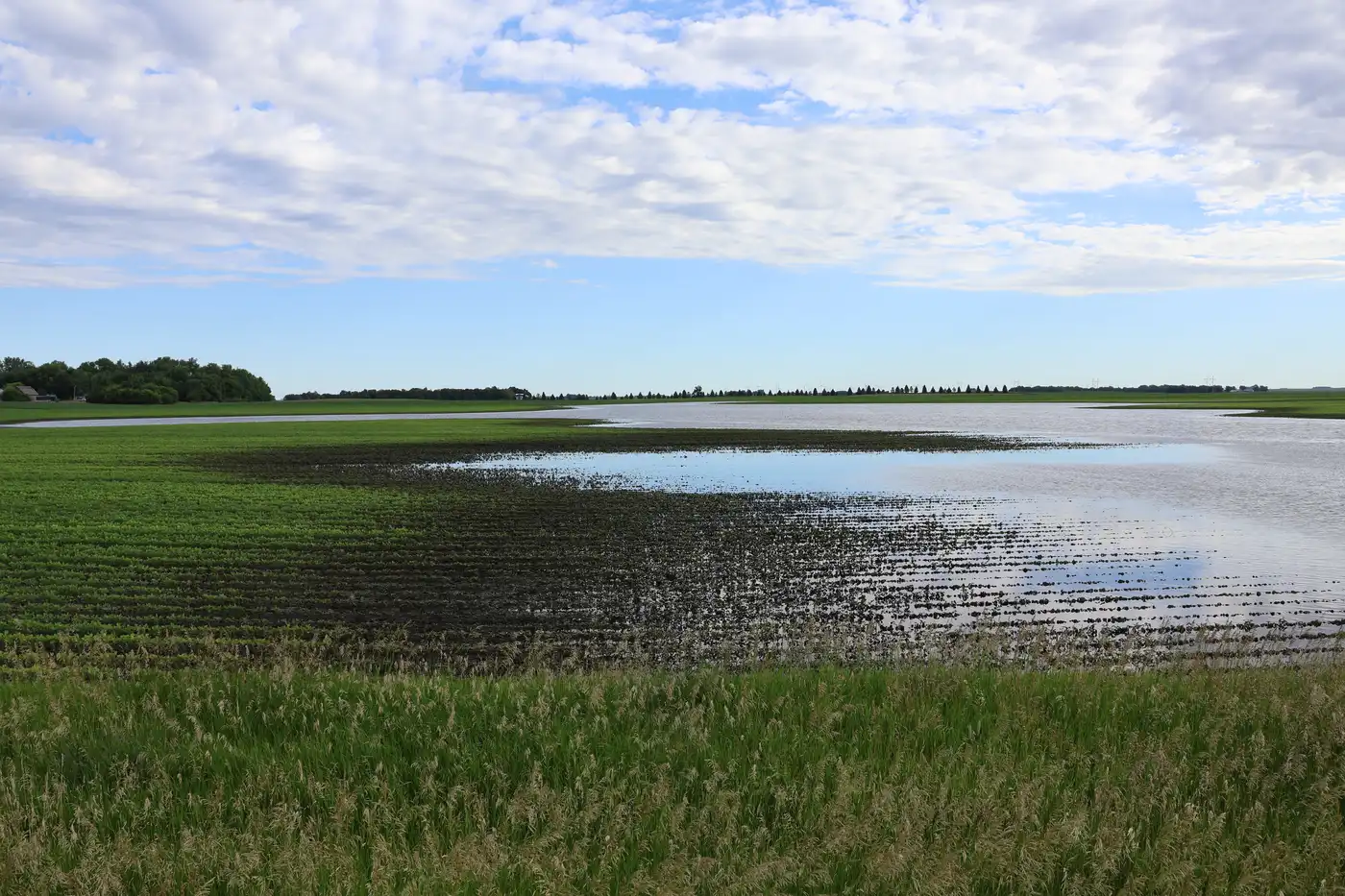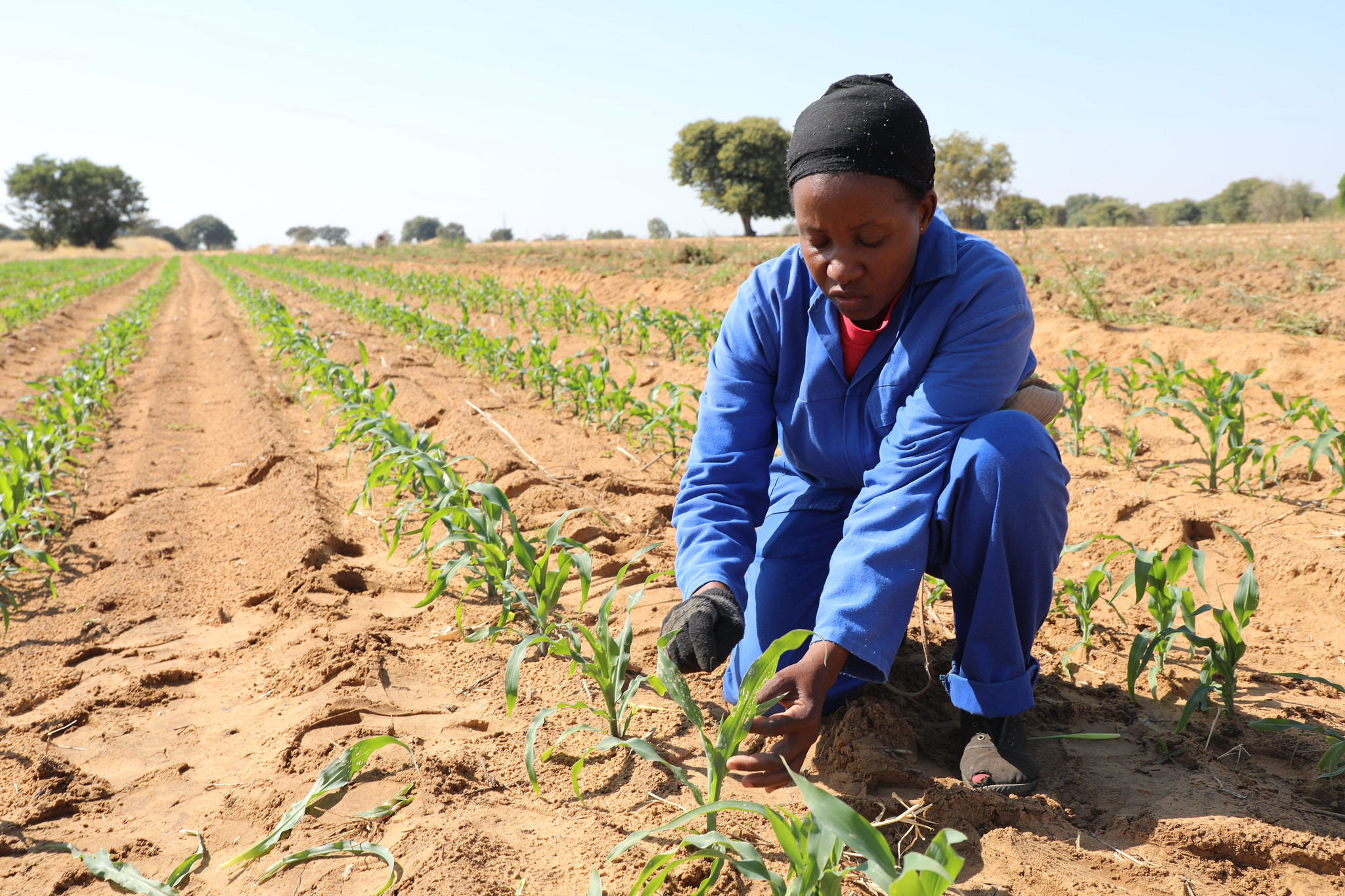
How much compensation bona fide farmers can receive for losses sustained as a result of Typhoon Mawar has been answered by the attorney general, who’s legal opinion was sought for clarification by the Guam Department of Agriculture.
The department was tasked by law to establish a program to compensate growers for any losses to their crops or property as a result of natural disasters, but needed clarification on the governing laws and related rules and regulations.
Chelsa Muna, director of the Department of Agriculture, asked the AG, “What is the identified law as well as the corresponding rules and regulations which should govern the compensation to farmers for crop damage?”
Arriving at that answer was not straightforward. Moylan pointed out in an Oct. 11 letter to the agency that there was some conflict in law and rules that cannot be reconciled.
To answer the director's question, the AG laid out all laws, rules and regulations on record for compensating farmers following a natural disaster.
Public Law 37-19, signed into law on June 30, appropriated $2 million from the Rainy Day Fund to the agency to fund the Crop Loss Compensation Program pursuant to the Guam Code Annotated, which authorizes the establishment of the program.
Moylan looked specifically at 5GCA Chapter 64A 101 and 8GAR Div. 2 Chapter 12, 12103, which contains rules for the compensation of farmers due to losses sustained in a natural disaster.
Chapter 12 of the Guam Administrative Rules and Regulations stated “compensation shall be based upon production costs (and) availability of funds, not to exceed 50% of operating costs per acre of crop or livestock and not to exceed $1,500 per farmer per natural disaster determination. Compensation for property damage incidental to farming operations shall be based upon 50% of costs not to exceed $1,500 per farmer per natural disaster determination.”
Based on this rule, Moylan asserted that the maximum compensation payable to farmers is $3,000 for a combined loss of crop or livestock and property.
“The issue that is presented is that there is also Public Law No. 22-64, which was signed into law on Dec. 6, 1993. P.L. No. 22-64 established Rules for Compensation to Farmers for Crop Loss, which established a maximum payment of $20,000.00. Neither Title 5, Chapter 64A of the Guam Code Annotated nor Title 8, GAR Div. 2 Chapter 12 contain this rule,” Moylan said.
“The two conflicting rules cannot be reconciled. Therefore, the later in time rule must apply. Since the GARs are accurate only up to 1997 and Public Law No. 24-256 was passed in 1998, this means that the rule stated in Public Law No. 24-256, § 6, must control. This means that the maximum potential compensation for losses attributed to Supertyphoon Mawar is $20,000.00 per farmer to be determined in accordance with the calculation guidelines provided therein, as well as any guidelines remaining in P.L. No. 22-64 that were not amended by P.L. No. 24-256,” Moylan concluded.
Source - https://www.mvariety.com