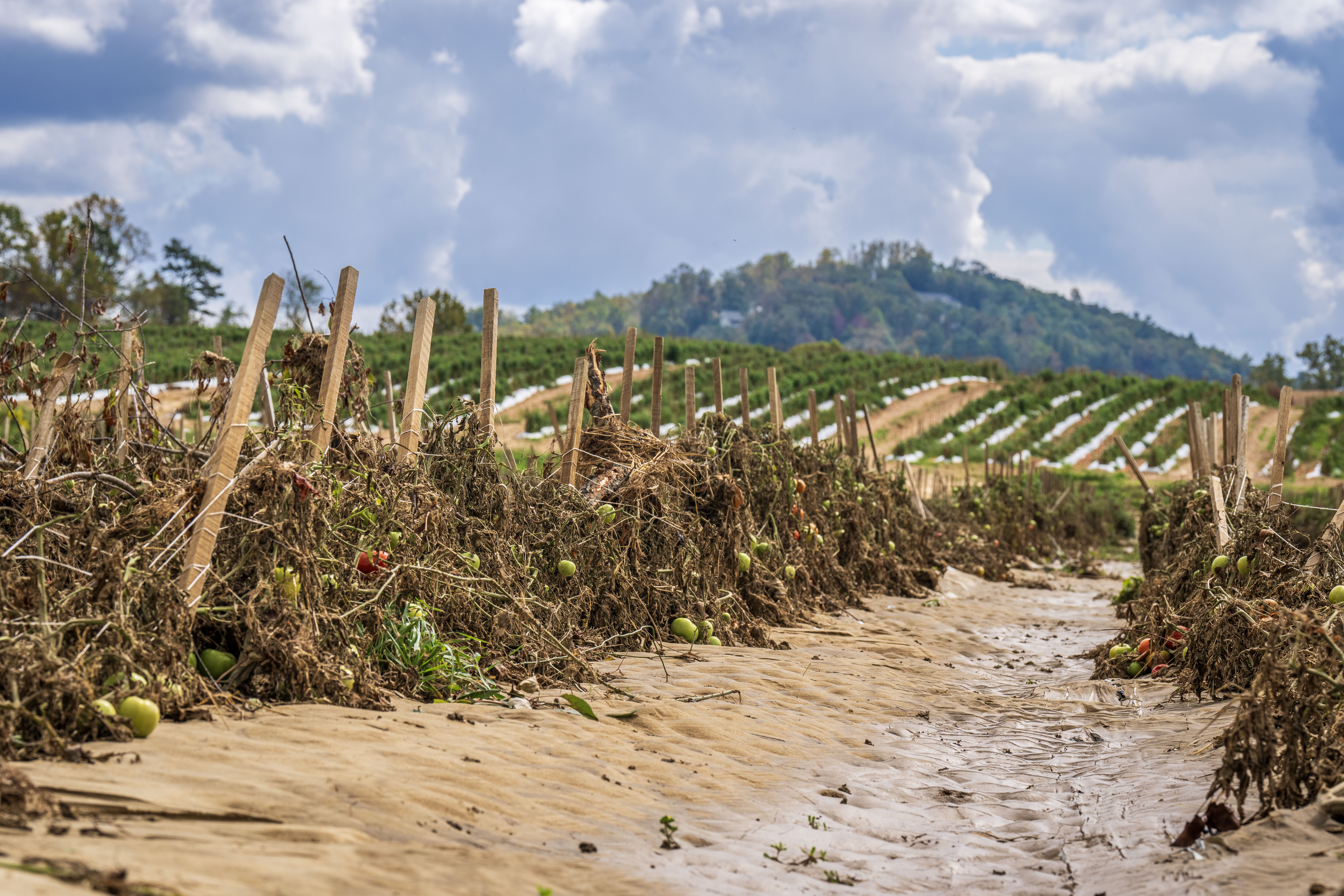
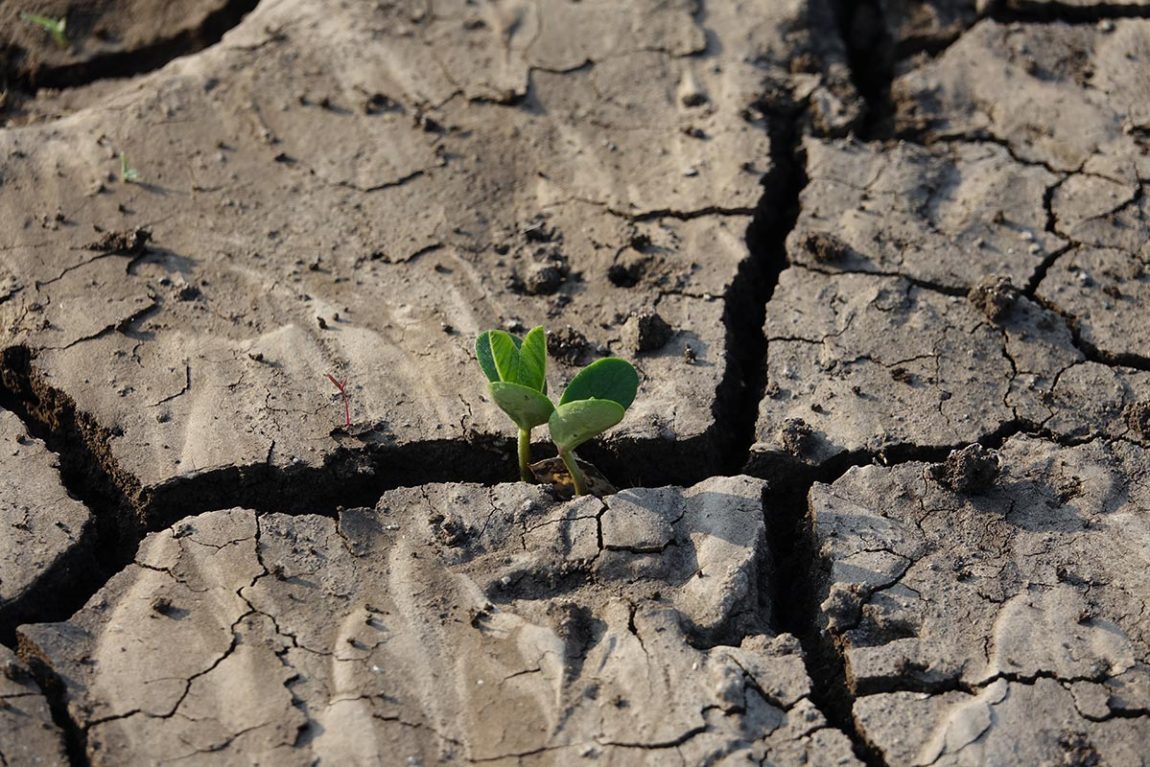
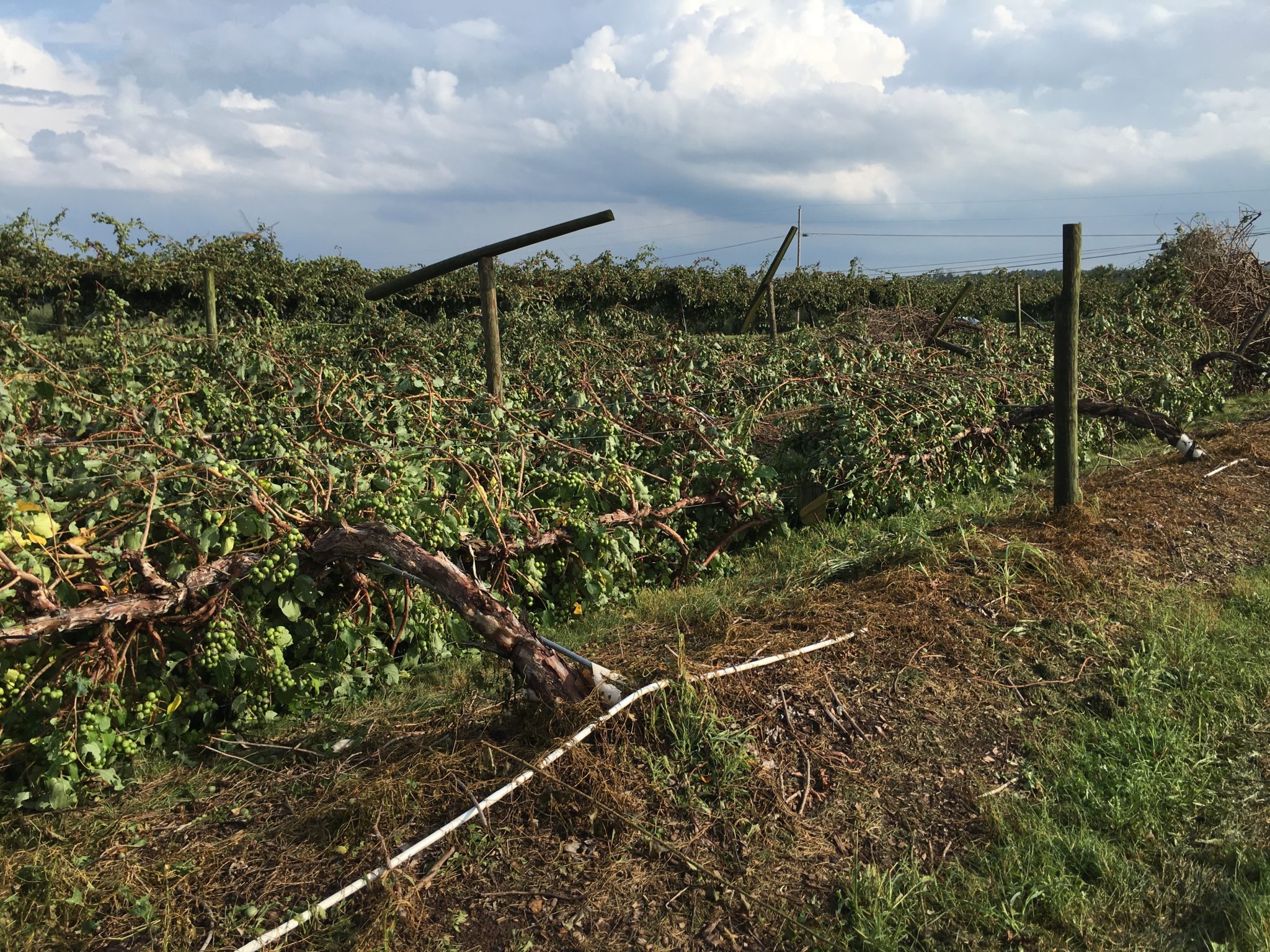
The fresh produce industry around the world is at the forefront of experiencing the tangible effects of climate change. In regions like California, recent weather patterns have brought about unseasonably high rainfall, which goes beyond typical seasonal fluctuations. “This is a manifestation of the broader climatic shifts that are affecting our environment,” says Jose Fu of CCH Citrus. “While such weather events are not unprecedented, their intensity is a clear signal of change in climatic conditions,” he notes. These shifts lead to more pronounced droughts and rainfall and floods, overall, a greater extremity in weather patterns.
“Last year's wet season in California brought with it not just a change in the size and quality of the citrus we grow but also heightened the battle with pests and diseases, including invasive species like fruit fly populations.” For example, thrips, which leave a cosmetic mark on citrus fruits, became more prevalent. These changes pose significant questions about the long-term shifts in growing conditions and highlight the need for increased awareness. “It's not just about the immediate impact on crop productivity and quality—it's about understanding and responding to these changes proactively.”
Fancy versus Choice grade
Initiatives like the USDA's fresh produce purchase programs exemplify the importance of awareness. These programs aim to supply fresh, healthy produce to underserved communities, which is crucial. “However, when environmental challenges affect the cosmetic appearance of fruits like grapefruits, we're reminded of the need for flexibility in our grade specifications and standards in those programs.” Fu points out that while the USDA's specification for 'Fancy' grade fruit is well-intentioned, it could benefit all communities in the supply chain from accommodating 'Choice' grade fruit, which, despite its light scars, is equally nutritious and flavorful.
The issue with intense thrips insect pressure motivated by intense climate conditions is a prime example. The scarring these insects cause does not affect the fruit's taste or nutritional value, yet such fruits are often excluded from aid programs based on appearance alone. This brings to light a broader conversation about sustainability, reducing food waste and the need to create a more efficient approach to resource utilization. In times of climatic adversity, it is essential to consider the benefits of inclusivity in quality standards, especially when the produce, in this case fresh citrus, is destined for community support programs. This is not just about adapting to climate change—it's about reshaping our approach to food quality to ensure that no resource is wasted, and every opportunity to nourish is seized.
“This approach focuses on the broader implications and solutions, advocating for a systemic response to the impacts of climate change, and fostering a mindset of sustainability and adaptability,” Fu finished.
Source - https://www.freshplaza.com