A state commission tasked with investigating climate challenges and solutions for the agricultural sector got a glimpse at how different groups are responding to natural disasters, and how other states are shoring up funds for climate preparations.
Massachusetts is home to more than 7,000 farms that contribute $475 million to the state economy each year, according to the commission. But as the climate changes, those farms are encountering major challenges.
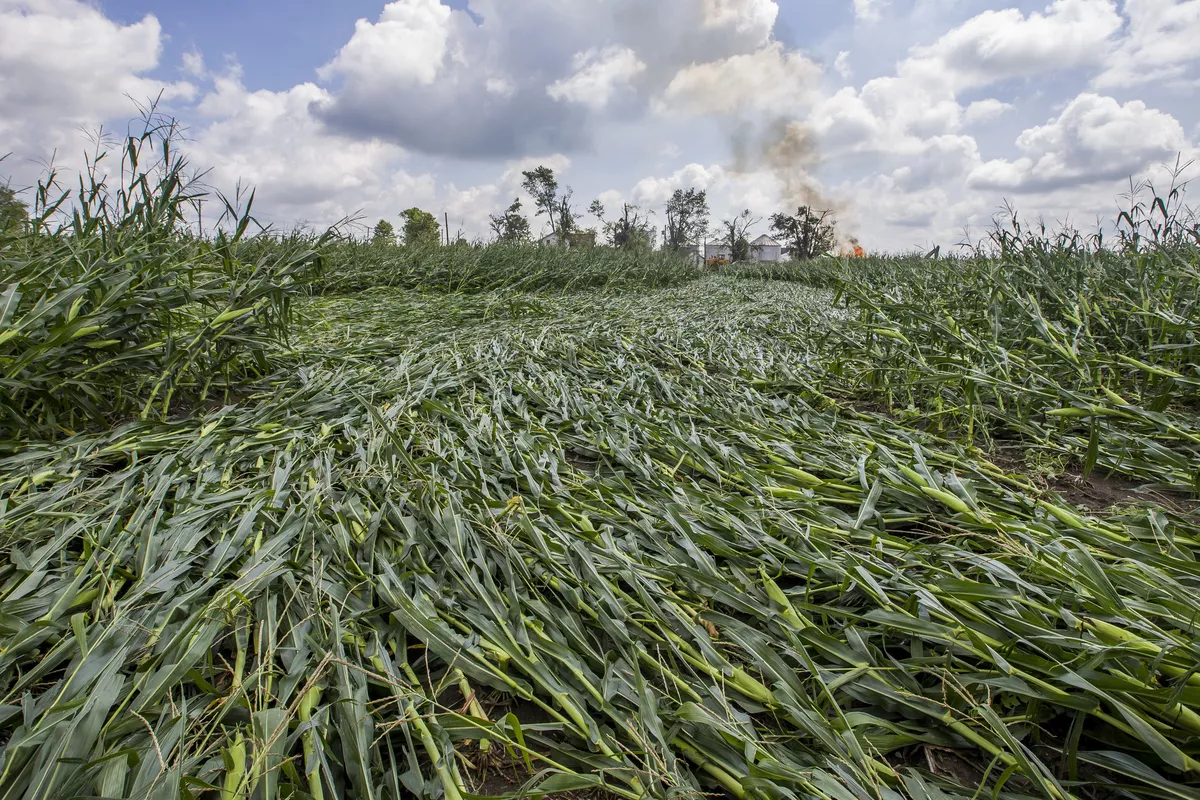
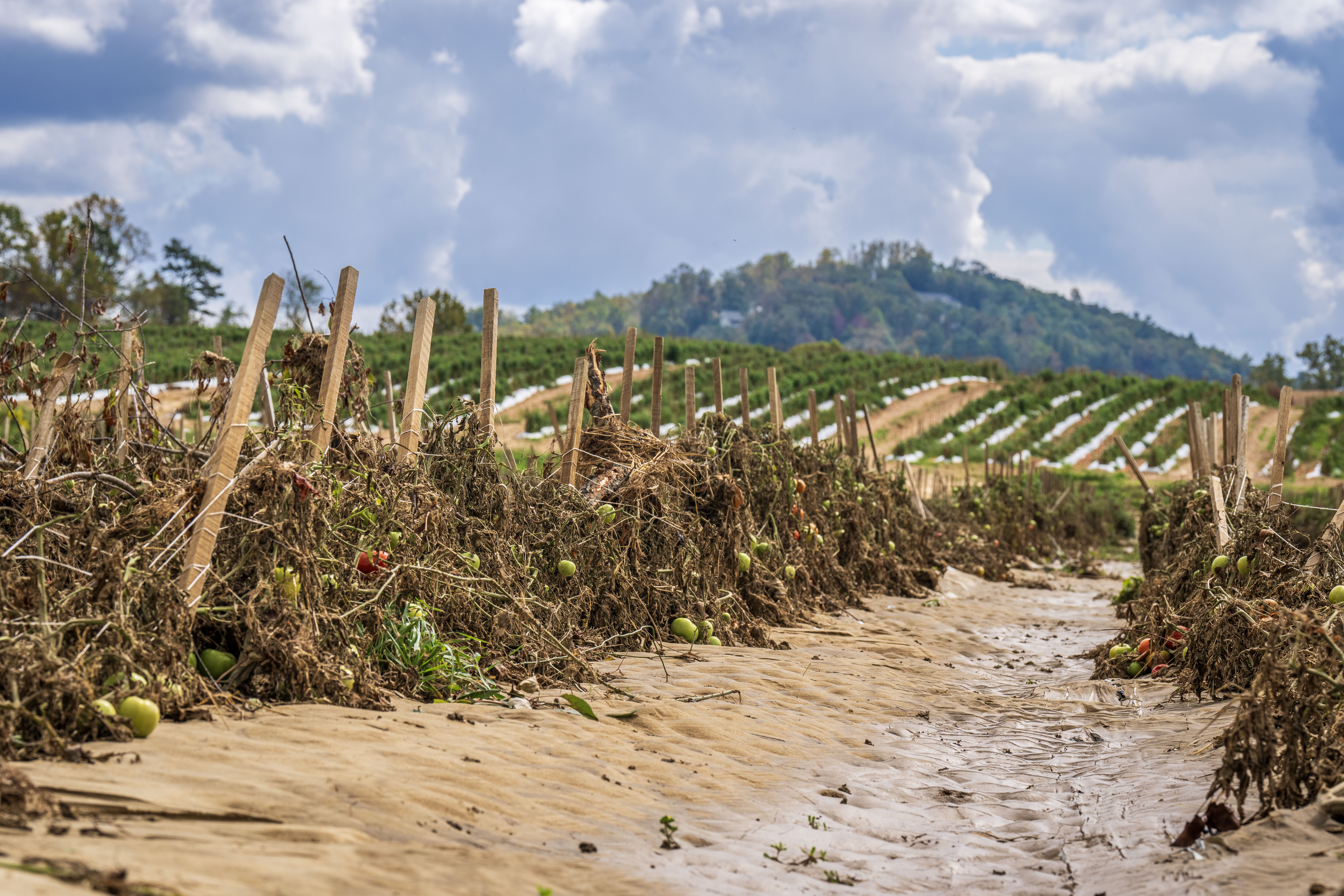
State Rep. Kate Hogan, co-chair of the state's 21st Century Agriculture Commission, noted that the May frost and July floods of 2023 caused significant crop loss. Legislators and the Healey administration allocated about $20 million to farms impacted by those events.
“But we can do more to help and do more to prepare and adapt to these conditions,” Hogan said.
Policy initiatives like tax relief to impacted farmers and flood funds, as well as pushing for cover crops and improved soil health, are all on the table. The commission will eventually submit a final report and recommendations to the Legislature by the end of the year.
“Farmers are on the front line of fighting climate change, already learning, planning, innovating to stay viable within a changing climate,” said state Sen. Jo Comerford, who co-chairs the commission. “Even as the Legislature and the administration do our best to respond, our farmers are grappling with changing growing seasons, new conditions for fighting molds or blights, more frequent and extreme weather events.”
Phil Korman, executive director at Community Involved in Sustaining Agriculture in Deerfield, has worked with the Franklin County Community Development Corporation to administer a flood relief fund since Hurricane Irene in 2011. He said that the $20 million Massachusetts sent out to almost 350 farms last year was the “envy of other states,” but still only covered half of crop losses. He said more funding is needed he said, with a focus on resiliency.
“I've had farmers come in my office and basically say that their 45 years of farming has left them with no knowledge about what to do in the coming year,” he said. “They don't know what to plant, they don't know where to plant it. They don't know how much to plant because there's no predictability based on their experience about what the climate will be and what it will bring.
“We feel like farms are gonna need many kinds of support when you have these emergencies,” he added. “Maybe it’s loan forgiveness, maybe it’s heightened marketing to sell the remaining harvest, maybe it’s pulling in the community for connection and support.”
Tuesday’s meeting also focused on learning about existing federal and state programs designed to protect farms from the impacts of climate change. Rita Thibodeau, assistant state conservationist for programs with the USDA Natural Resources Conservation Service, said her agency is keeping options open on how to best dole out its resources.
“We’re looking at shellfish restoration, looking at eelgrass restoration, salt marsh restoration. Those are some of the things that we're trying to target, along with the basics of soil health practices and things like that for climate-smart [agriculture] and forestry,” said Thibodeau, who is also a third-generation dairy farmer in Massachusetts.
Thibodeau said last July’s flood came after her agency’s money had been allocated, but she approved a stop-gap mechanism called an “early-start waiver,” so farmers could start the process of fixing their crop loss by doing things like planting a cover crop to fix flood-related erosion, and potentially get funds later. That resulted in 75 to 80 applications from farmers in the Connecticut River Valley.
Another part of the presentation provided examples of how other states are supporting their farms.
“Another tool that states can implement is tax relief, available to provide support to agricultural producers who have suffered disaster-related losses,” said Emily Sampson, an environmental policy analyst with the National Conference of State Legislatures. She said that income and property tax provisions have been changed in Arkansas and Missouri for that purpose.
In Connecticut, she said, a 2023 law allowed the state to pay for up to half of the cost for any farmer to implement a farm nutrient management plan or climate resilience plan, including for the cost of farm equipment purchases. In Colorado, a 2021 law created an agriculture and drought resiliency fund to prepare for future drought conditions.
Another solution she mentioned is improving soil health. The Baker-Polito administration unveiled the Healthy Soils Action Plan in 2023, four years after the state became the first to commission one.
Hans Schmidt, the assistant secretary of resource conservation at the Department of Agriculture in Maryland, touted his state’s program that’s helped farmers plant a total of half a million acres of cover crops, which reduce both soil erosion and carbon monoxide in the atmosphere.
“We incentivize that program for early seeding in the fall and then also keeping those cover crops in the fields longer in the spring for more carbon sequestration, for more nutrient uptake so it won't leach into the [Chesapeake] Bay,” he said. They also offer tax incentives to farmers who buy conservation equipment.
The group, which started meeting last spring after it was first established under a 2019 law, will continue meeting through this summer before it submits its report later this year.
Source - https://www.wgbh.org