Farm and commodity trade association leaders lobbied for updating commodity programs and strengthening crop insurance programs at a Tuesday hearing of the U.S. Senate Agriculture, Nutrition, and Forestry committee.
The industry officials said federal crop insurance and the Department of Agriculture’s Price Loss Coverage and Agriculture Risk Coverage programs are not serving as a “true safety net” for farmers, and that reference prices for crops must be increased to counter declining farm income and high input costs.
A reference price is the estimated cost of an agricultural product set in the farm bill, used for crop insurance and commodity risk management program reimbursement purposes. The last update to reference prices came in the 2014 farm bill.
The commodity assistance title of the farm bill, called Title I, contains the commodity insurance programs, federal crop insurance, certain disaster relief programs for products like sugar, and a fixed-rate loan program that uses commodity stocks as collateral.
Rob Larew, president of the National Farmers Union, said in the Tuesday hearing that while the 2018 farm bill provided a strong financial safety net for farmers, it is “being tested in new and unprecedented ways.”
“Whatever we can do to build on those successes in Title I, making sure that we update the price triggers and the reference prices, making sure that we broaden and strengthen the success of crop insurance, I think will go a long way towards providing that certainty,” he said.
Commodity risk management program payouts under the 2018 farm bill totaled $33 billion from 2018 to 2023, and crop insurance indemnities totaled roughly $27 billion over 2021 and 2022. These totals also do not account for the roughly $90 billion in ad-hoc disaster aid distributed over that same time period, mostly during the COVID-19 pandemic.
The 2018 farm bill expires at the end of September 2023, was projected to cost $867 billion over 10 years when enacted,and has cost roughly $428 billion over the past five years.
Crop insurance
Zippy Duvall, a witness and president of the American Farm Bureau Federation, told the committee on Tuesday that what he hears most often from farmers about the farm bill is the need to strengthen and expand federal crop insurance programs.
Federal crop insurance plans can be purchased for both specialty and commodity crops by acres planted, and generally cover up to 85 percent of a given year’s market price for the good.
Caleb Ragland, a witness and row crop farmer from Kentucky, said federal crop insurance is one of the main tools he uses on his farm to stay viable. He said that protecting the programs from cuts and “harmful amendments” should be a top priority for legislators in the coming farm bill.
“Without crop insurance, the risks would be more than many farmers and lenders could handle,” he said. “It certainly would be for me and my family.”
Arkansas Republican Sen. John Boozman asked Duvall about the benefits of the flexibility of the current safety net, in light of talk in Congress of tying eligibility to climate practices, and mandatory payment limits.
“Our farmers go to those risk management products to be able to protect their farm, for enough revenue to be able to get to the next crop in the wake of a disaster,” he said. “Those are real threats. We need not dilute the program. We need to make it better, not more challenging.”
Committee Chair Debbie Stabenow of Michigan, a Democrat, asked Larew and Duvall how to better provide crop insurance options for specialty crop farmers in the coming farm bill.
Duvall said that the most important thing is to make sure that the crop insurance program is funded correctly, and is easy for farmers to use.
Larew suggested more actively applying a provision of the Federal Crop Insurance Act to encourage adoption and continued use of climate-smart agricultural practices by developing new specialty crop insurance policies.
Reference price increases
All of the industry representatives on the panel spoke in favor of raising reference prices for the Agriculture Risk Coverage and Price Loss Coverage programs in the upcoming farm bill.
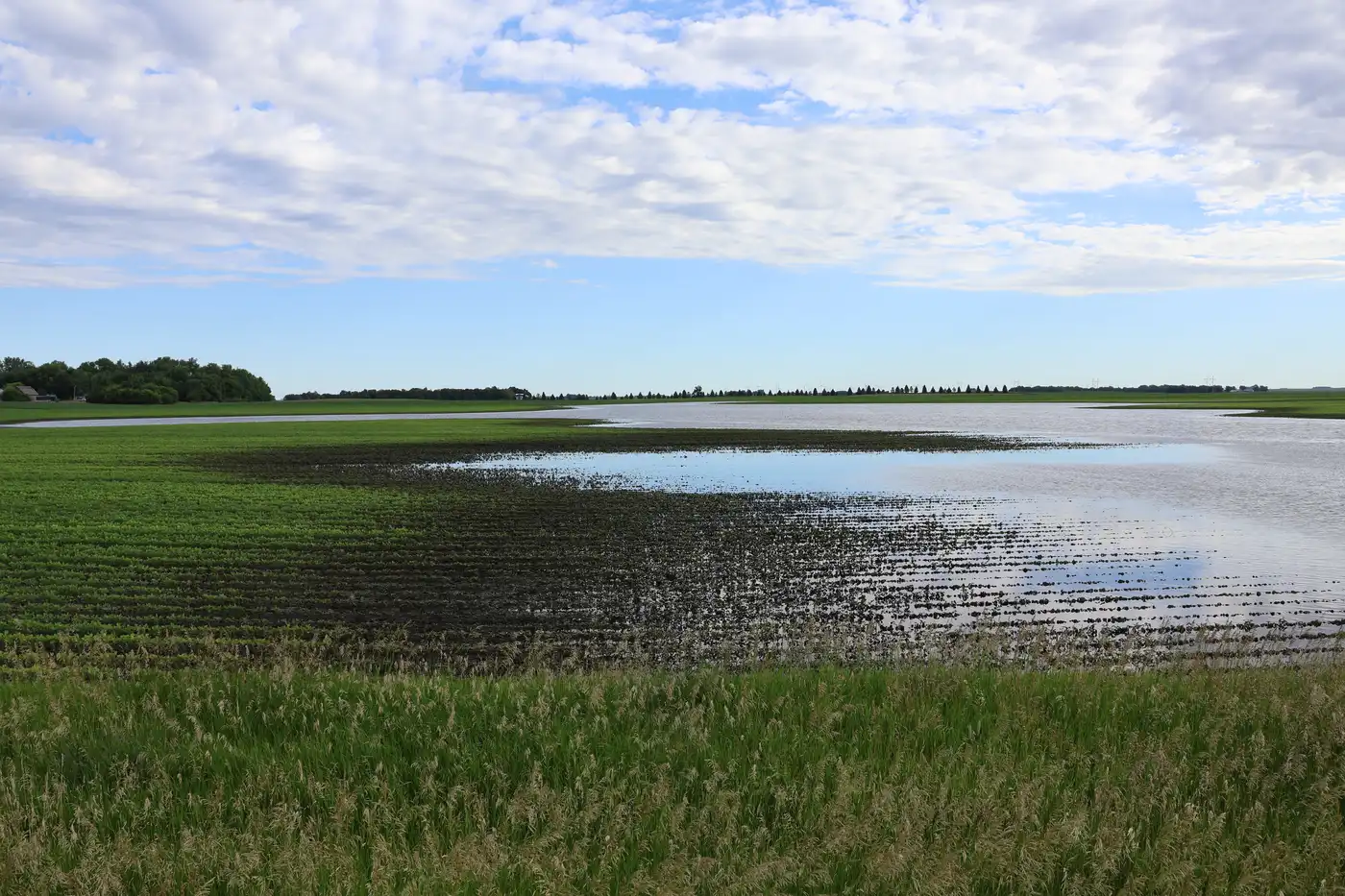
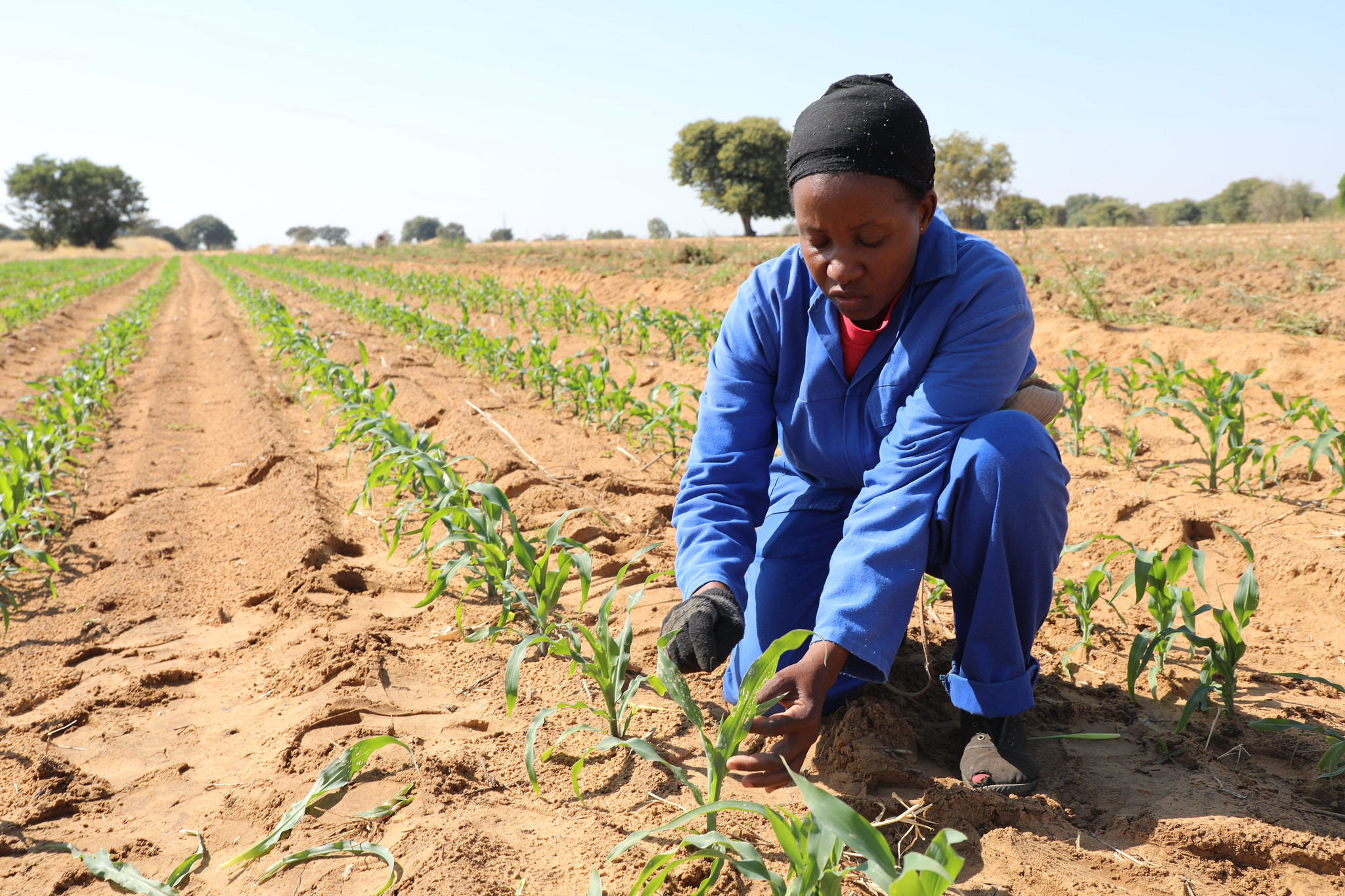
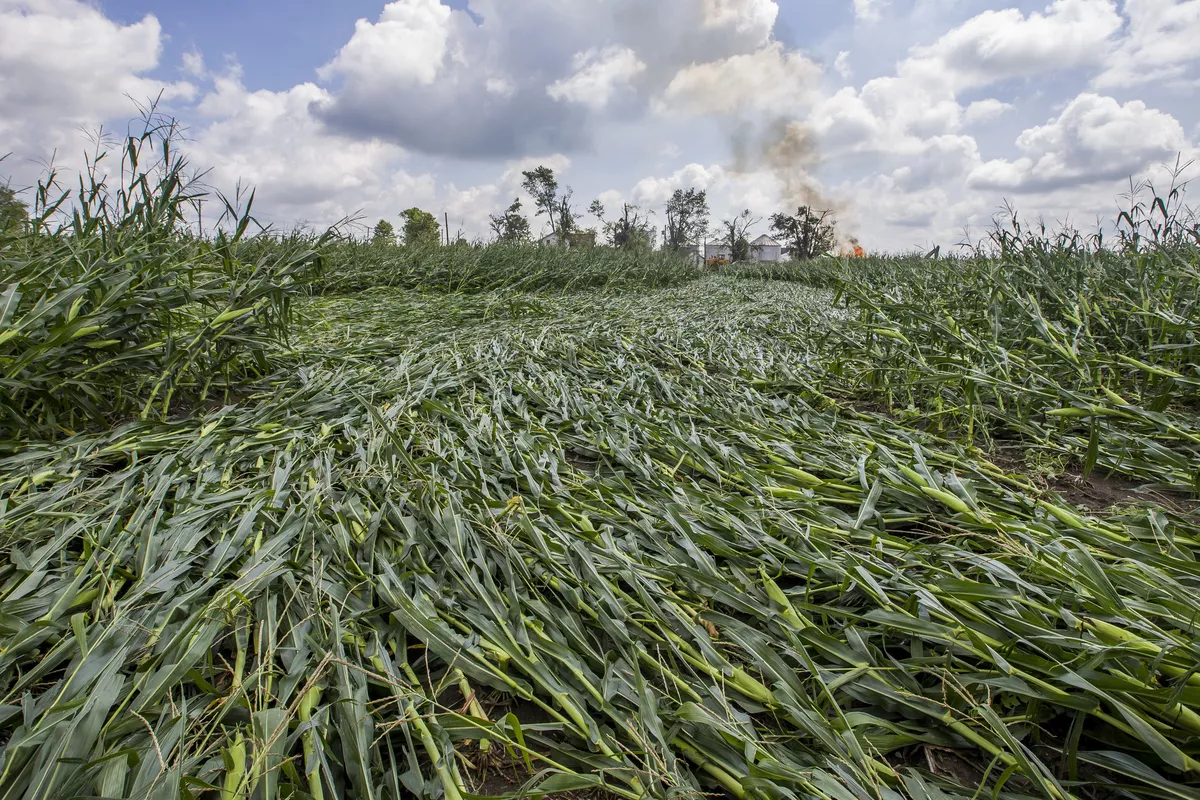
The Agriculture Risk Coverage and Price Loss Coverage programs protect farmers from poor growing seasons and low prices, respectively. These federal programs, located in Title I of the farm bill, are intended to lessen the risk of farming for producers of major commodities like corn, wheat, soybeans and other crops.
“I know it takes a tremendous amount of money to get those where they need to be so we can keep calling them a safety net,” said Kody Carson, a past chairman of the National Sorghum Producers. “And I’m not sure if it’s two inches above the concrete that is doing the American farmer a lot of good.”
Brent Cheyne, president of the National Association of Wheat Growers, said that cuts were made to crop insurance in previous farm bills in efforts to be fiscally conservative that caused the farm safety net to “come up short” in recent years.
He added that this lack of funds required the federal government to institute the existing ad-hoc disaster payment program, which has delivered relief too late to salvage growing seasons for producers.
Republican Sen. John Thune of South Dakota asked the panelists how they could improve the Agriculture Risk Coverage and Price Loss Coverage programs for farmers.
Larew suggested allowing producers to enroll in both programs at the same time in a given year, as oftentimes they do not know which program will better support their operation.
Harold Wolle, a vice president of the National Corn Growers Association, added that the ARC program could be improved if Congress removed the provision stating that county payment rates to farmers cannot exceed 10 percent of the county benchmark revenue. He said that this rule has limited the assistance provided to producers experiencing major disasters.
He added that strengthening the reference price escalator in the PLC program will allow for more responsive price protection. The provision for reimbursement is capped at 115 percent of the statutory reference price for corn, or $4.26 per bushel, which is far below market price.
Debt ceiling worries
Stabenow said that the ongoing threat of default on the nation’s economy has her concerned about funding cuts to the ARC and PLC programs in the farm bill.
She said that the last debt ceiling crisis in 2011 resulted in annual cuts of 5.7 percent to these mandatory programs year-over-year, and she worries about similar changes in the ongoing negotiations.
“If we do not have additional funding in the baseline, we’re going to need to focus on our top priorities, and need your best thinking on how we do this together to be able to target this,” she said.
Republican Sen. Chuck Grassley of Iowa asked how Congress might bolster the farm safety net without costing the country more money.
“I think we’ve just got to make sure that we determine what’s going to keep our safety net strong, and determine what it’s gonna take to keep our farmers strong, so that we keep our national security strong,” Duvall said. “But to do it without any more money, I don’t have any suggestions.”
Grassley also asked Larew if commodity farmland owners should be eligible for safety net programs if they are not actively farming the land, given that the largest 10 percent of farms in the United States have received 70 percent of the payouts.
Larew said the National Farmers Union supports provisions that limit payments to those who are truly invested in management and labor, and would be willing to work with Congress to find ways to ensure that those rules are being met.
Baseline spending for the coming farm bill is projected at $1.5 trillion over the next 10 fiscal years, according to the Congressional Budget Office.
Source - https://highlandcountypress.com