USA - Almond farmers face unprecedented challenges due to drought, supply chain issues

20.12.2022 741 views

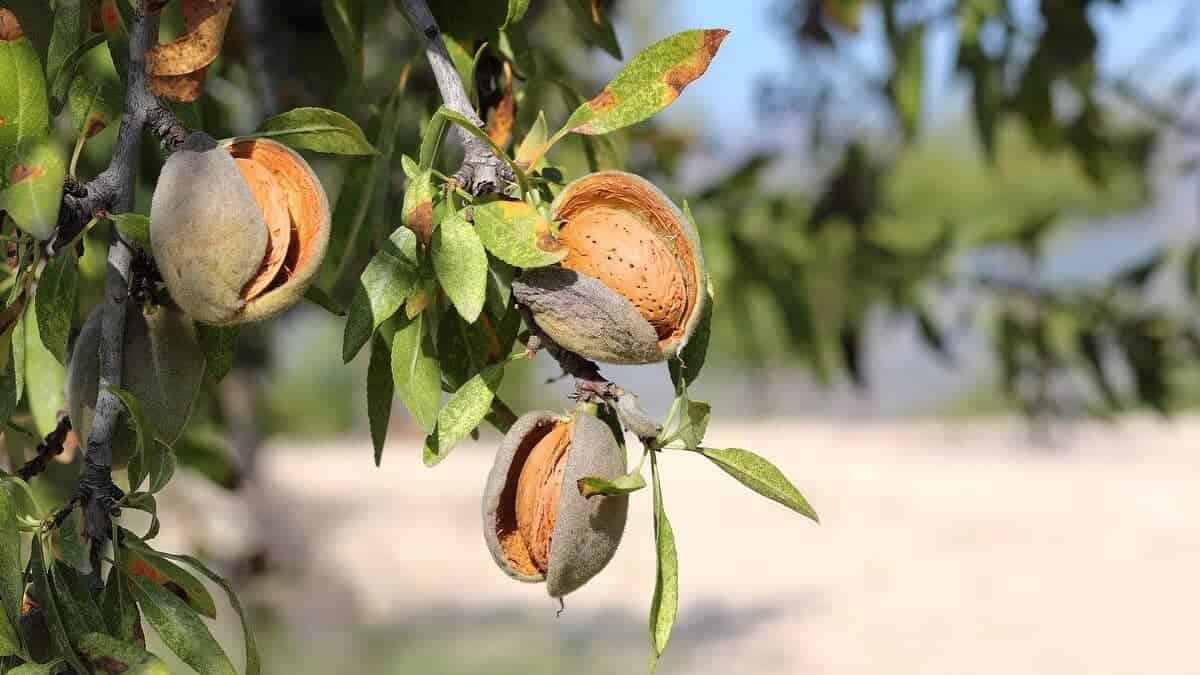
California produces 80 percent of the world's almonds but this year production decreased across the state. One grower says not only did the drought and supply chain issues factor in but also inflation.

Bret Sill, a local almond farmer in Shafter is just one of the almond growers that says this year wasn’t the same.

“It's been a tough year. On top of that we’ve had bad market conditions because of oversupply,” said Sill. “We’ve probably planted a lot of almonds over the last few years and went from a 2 billion pound crop to over a 3.2 billion pound crop.”

Richard Waycott, president, and CEO of the California Almond Board says the decrease took place across the state.

“We have a very long history of increasing acreage in our crop going back decades. And for the first time ever as reported by Land IQ last month, we saw a slight decrease in total acreage, by 25,000 acres.”

Waycott adds this industry is harder than some may realize and this year didn’t help.

“This is an incredibly high-risk business, where as we’ve discussed in the last few minutes, so many things are beyond your control.”

Despite the challenges of 2022 sill says they are looking forward to the new year – and creating unique ideas for people to buy almonds.

“Really just the health aspect and what almonds bring to the table is really encouraging so that’s what we are looking forward to," says Sill. "Like what can we do, through a partnership with our almond supplier, we are coming up with almond butter and we are excited to see what that does.”

Almond bloom starts around mid-February and Sill says that’s when they will begin to see how the crop will turn out next season.

Source - https://www.turnto23.com

05.05.2026

Climate change: challenges and opportunities for crop insurance in Canada

The pandemic we have just come out of reminded us of the importance of maintaining robust food sovereignty in our country, provinces and cities. 

05.05.2026

Azerbaijan, Uzbekistan hold talks on agro-industrial collaboration

On May 5, Minister of Agriculture Majnun Mammadov met with a delegation from Uzbekistan led by Minister of Agriculture Ibrokhim Abdurakhmonov, who attended the 19th Azerbaijan International Agricultural Exhibition (Caspian Agro Week), to discuss bilateral cooperation in the agricultural sector, Trend reports.

05.05.2026

Philippines - P6.69-million crop damage logged in Albay due to Mayon unrest

Damage to crops from Mayon Volcano’s unrest has reached P6.69 million, with ashfall affecting several farmers in Albay, authorities said Tuesday.

05.05.2026

Cyprus - Farmers in Karpasia seek compensation for crop damage caused by wild donkeys

Losses reported in Rizokarpaso and nearby villages as donkey population grows and destroys farmland.

05.05.2026

USA - USDA Risk Management Agency Upgrades Rainfall Data Source

The U.S. Department of Agriculture’s (USDA) Risk Management Agency (RMA) is upgrading the source for rainfall data used in several Federal crop insurance programs, moving from the National Oceanic and Atmospheric Administration’s Climate Prediction Center (CPC) to the National Centers for Environmental Information (NCEI). 

05.05.2026

Asparagus losses in Norfolk County, Canada reach 98 percent after frost

Frost events in Canada recently caused crop damage in Norfolk County, with asparagus production heavily affected. At Dalton White Farms, losses reached up to 98 per cent of the field.

04.05.2026

Bulgaria's Kyustendil cherry crop severely affected by frost for second consecutive year

Frosts have caused critical damage to cherry orchards in the Kyustendil region of Bulgaria for the second consecutive spring, with producers reporting near-total crop losses. 

04.05.2026

Vietnam - MoF moves to expand farm insurance support and eligibility

The Ministry of Finance has proposed sharply increasing agricultural insurance premium subsidies to up to 95 per cent and widening the pool of eligible beneficiaries to better share risks with producers, stabilise farm incomes, and strengthen climate resilience.