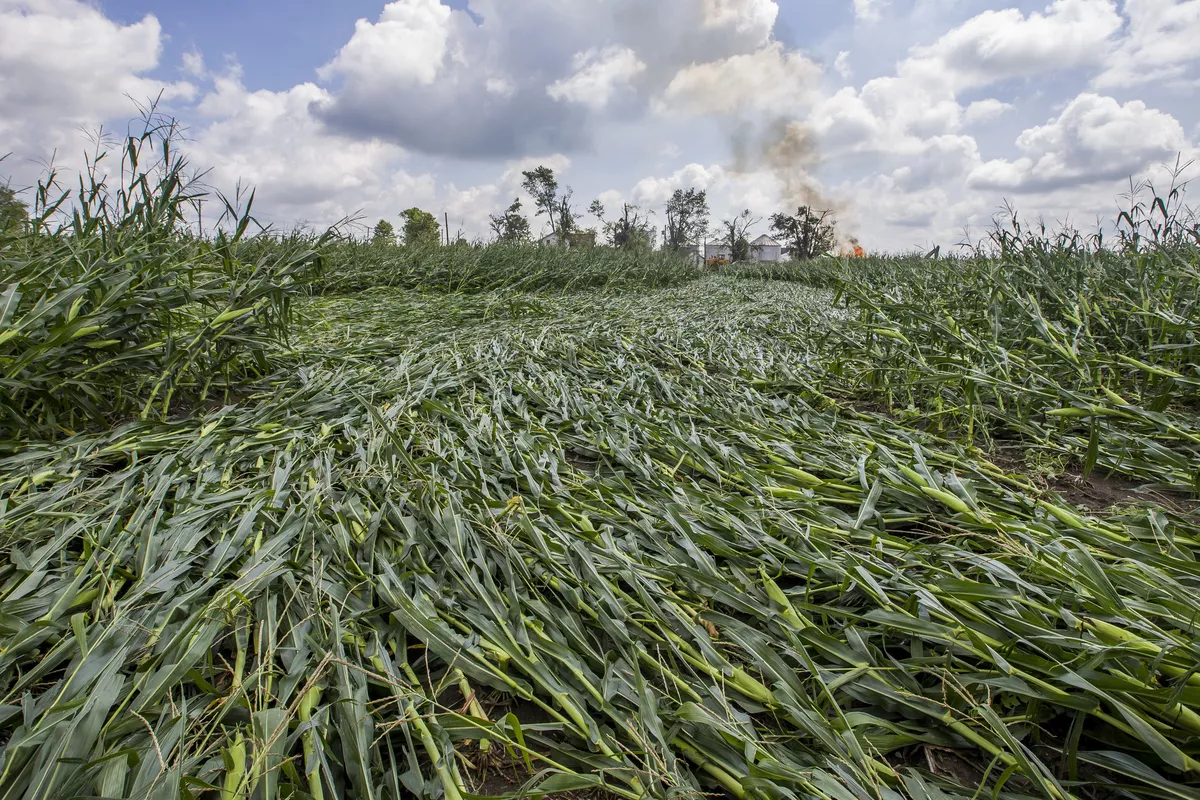
From 2001-21, crop insurance payments in the United States rose 500%. The likely cause? Climate change, according to a new report from the Environmental Working Group.
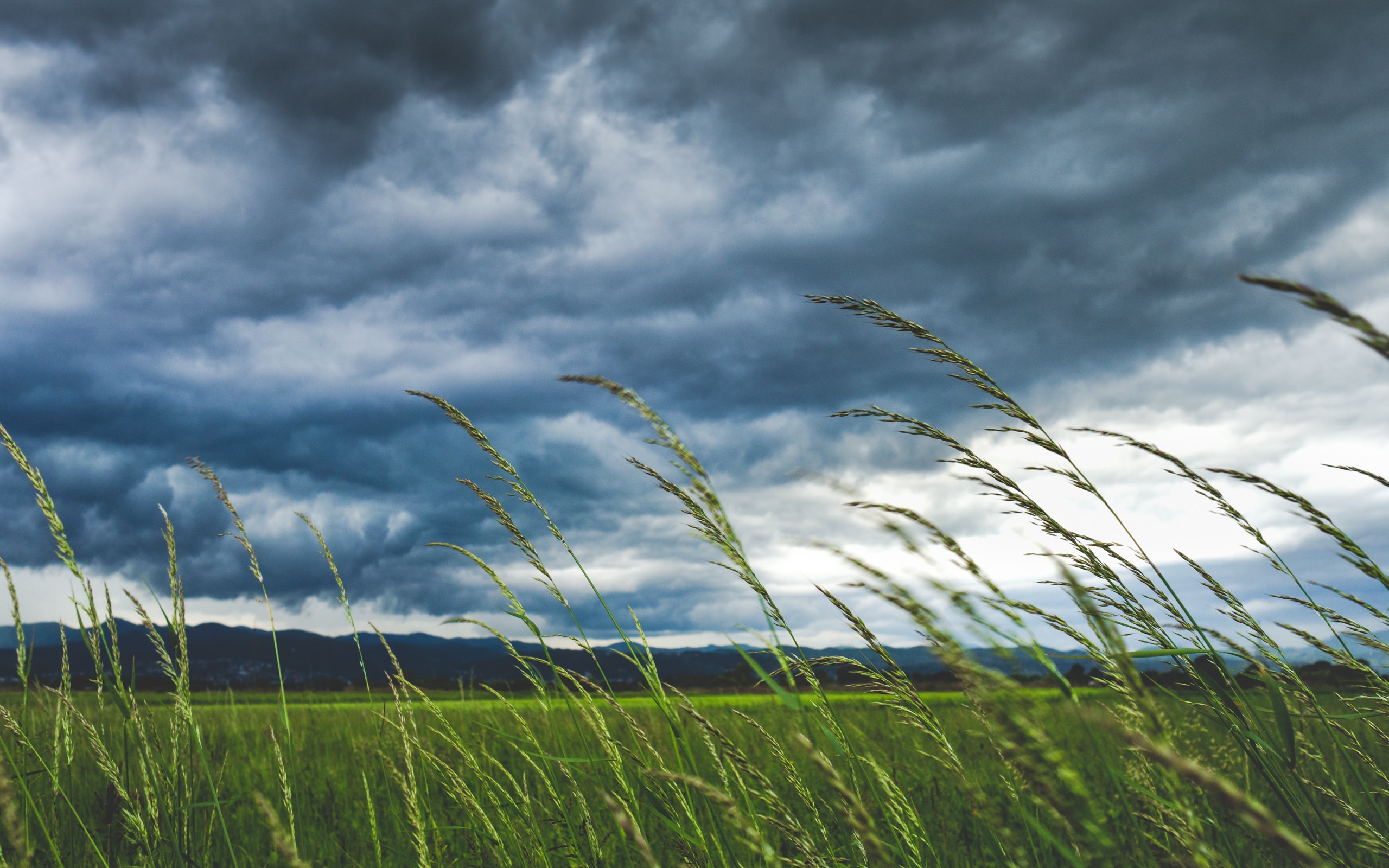
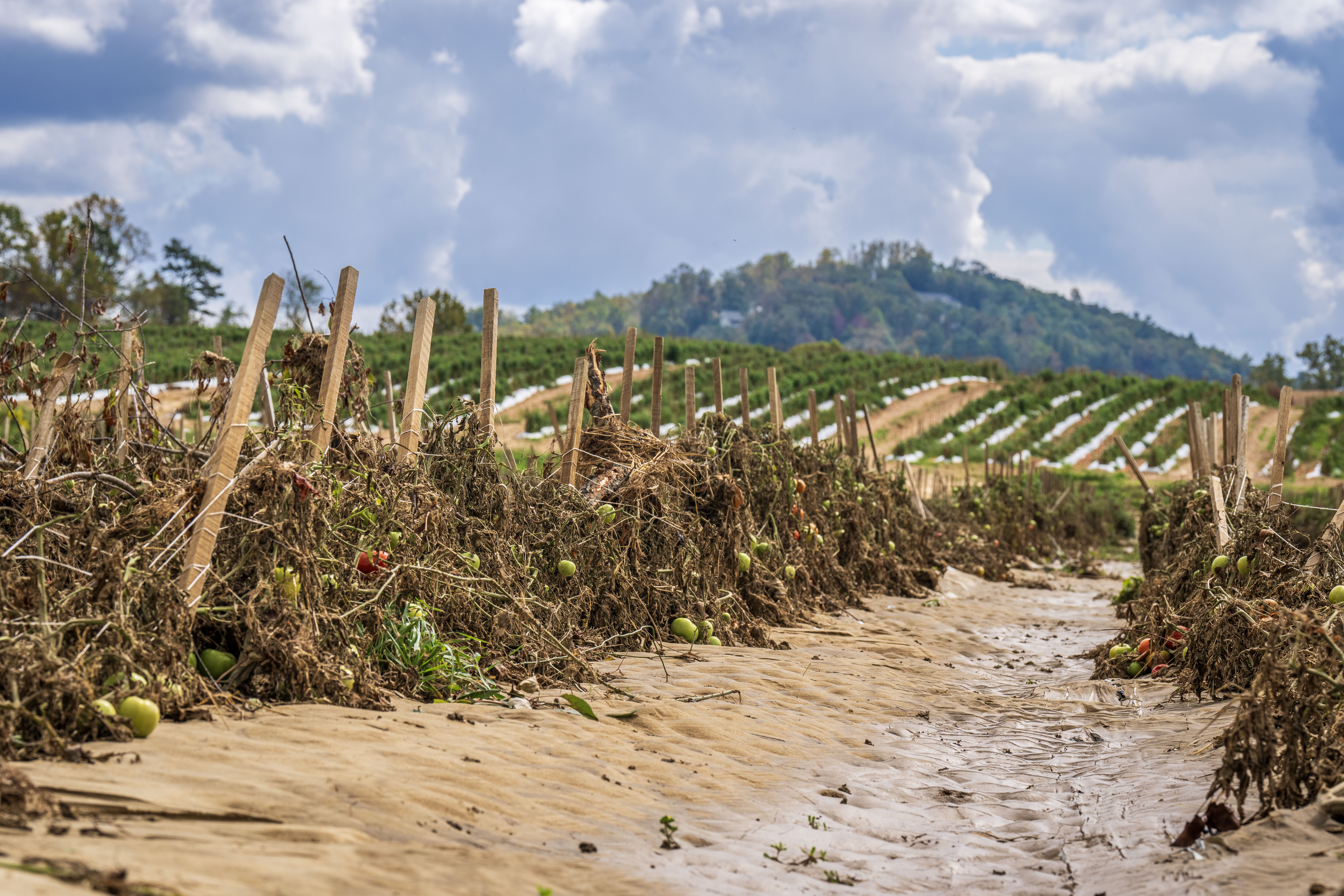
Five of the top reported reasons for crop losses in the U.S. are rain, hail, heat drought and freezes. The total payouts from the U.S. crop insurance program over this period for weather-related losses was almost $120 billion.
These weather conditions have become more extreme in recent years, experts believe, due to climate change.
The report by the Environmental Working Group, an advocacy group, was based on data from the Agriculture Department's recently updated Crop Insurance Database.
Who pays the cost?
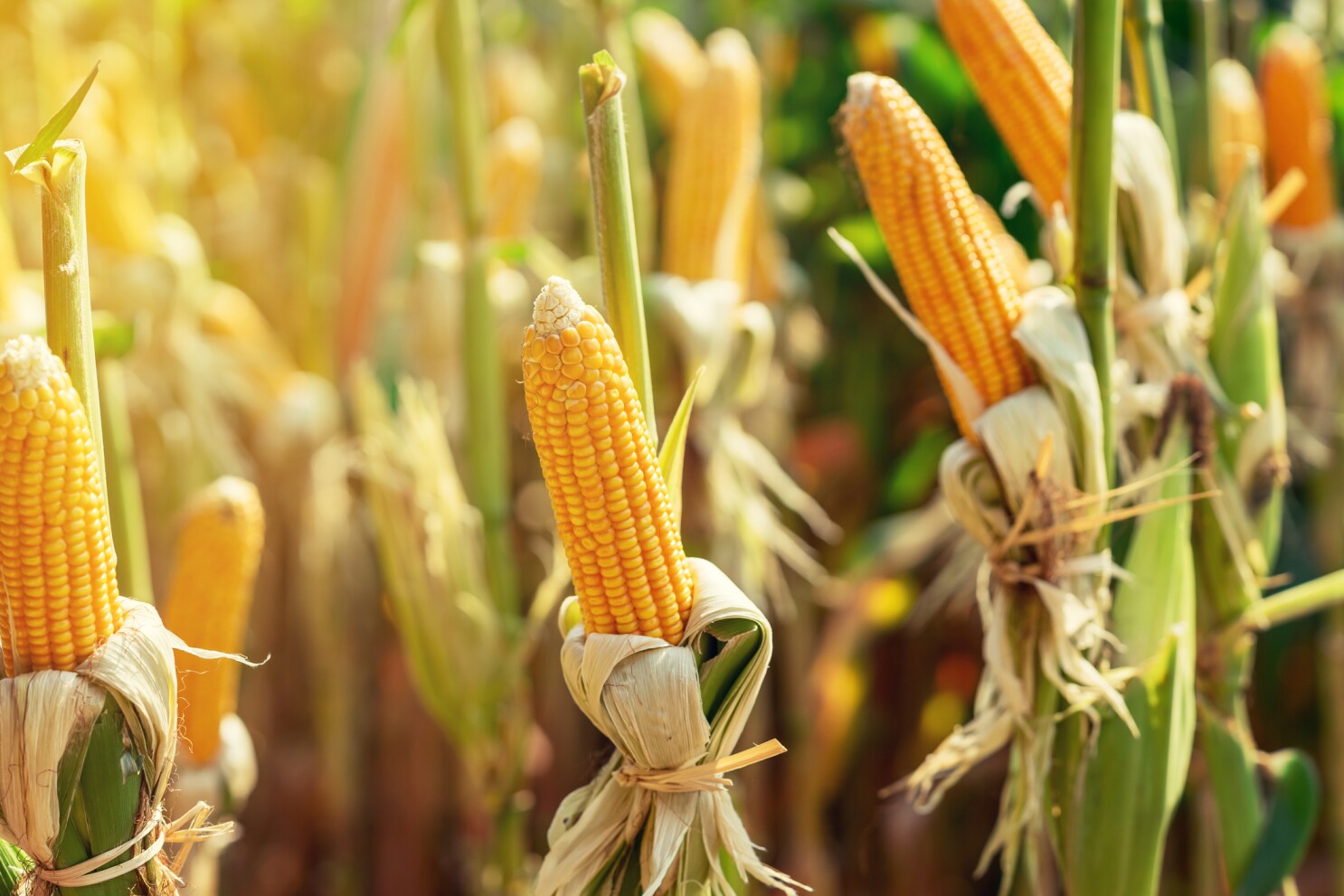
Taxpayers covered nearly two-thirds of those billions paid to U.S. farmers. The bulk of the payments went to large farms in the Midwest and Great Plains. Corn growers received the most money.
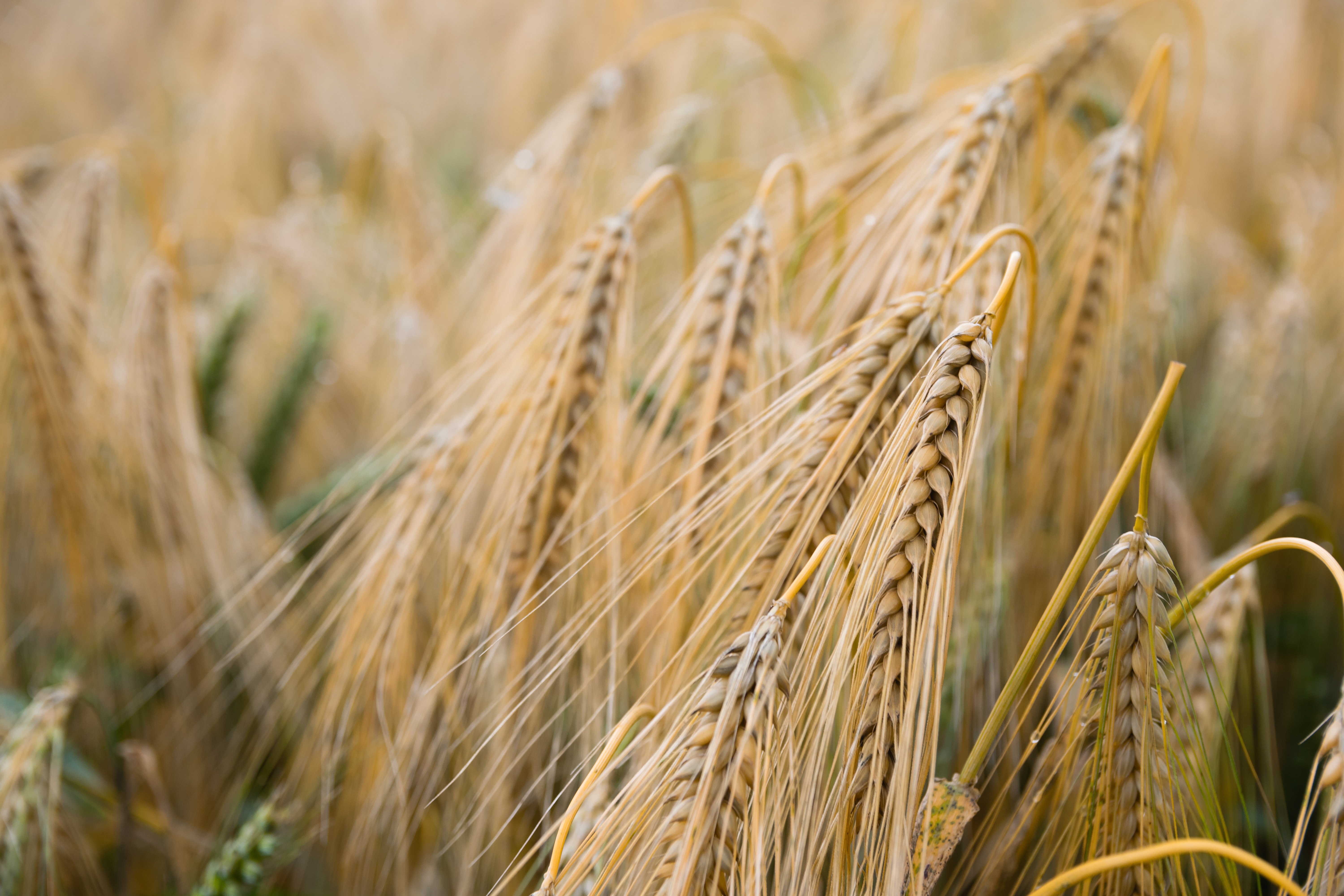
Corn and soy beans generate nearly half of all U.S. crop income. In Tennessee, roughly 2.5 million acres are planted with these two crops. The next largest crop in the state is wheat, planted on 400,000 acres, followed by cotton on 335,000 acres.
"Farm subsidies and crop insurance sometimes can be a wealth transfer from taxpayers, whose median household income is $70,000, to large farmers that are wealthier," said Anne Schechinger, the author of the study.
America has roughly 2 million farms, and nearly all of those are family owned. While most farms are small, the 3% of family farms that had $1 million or more gross income generated nearly half of the country's production value. In other words, a small number of large farms dominate U.S. agriculture.
The federal crop insurance program pays farmers when they lose a crop, or when yields or revenue are lower than expected.
Often, farmers in the same area made claims for both drought and excess moisture, the Environmental Working Group found. Some states also saw large losses due to heat and freezing.
"It's getting hotter, so you would not think it's also getting colder," Schechinger said. "But it's back to the fact that climate change is making everything more extreme."
In the South, excess moisture is a growing cause of crop loss. Low-lying areas along the Mississippi River with poor drainage experienced some of the highest payments for moisture, which does not includes claims for flooding.
What the future holds
The Environmental Working Group argues the crop insurance program encourages farmers to ignore the impacts of climate change. The heavily subsidized program hides from farmers the losses from extreme weather.
The insurance program, the Environmental Working Group said, also discourages farmers from growing a range of crops. More diversified farms would help growers survive economically if extreme weather damaged a single crop.
Without reforms, Environmental Working Group predicts that the cost of the crop insurance program will grow as the weather becomes more extreme.
Source - https://eu.tennessean.com