Arecent report finds the federal government is spending billions on crop failures caused by extreme weather -- and it’s only growing more expensive.
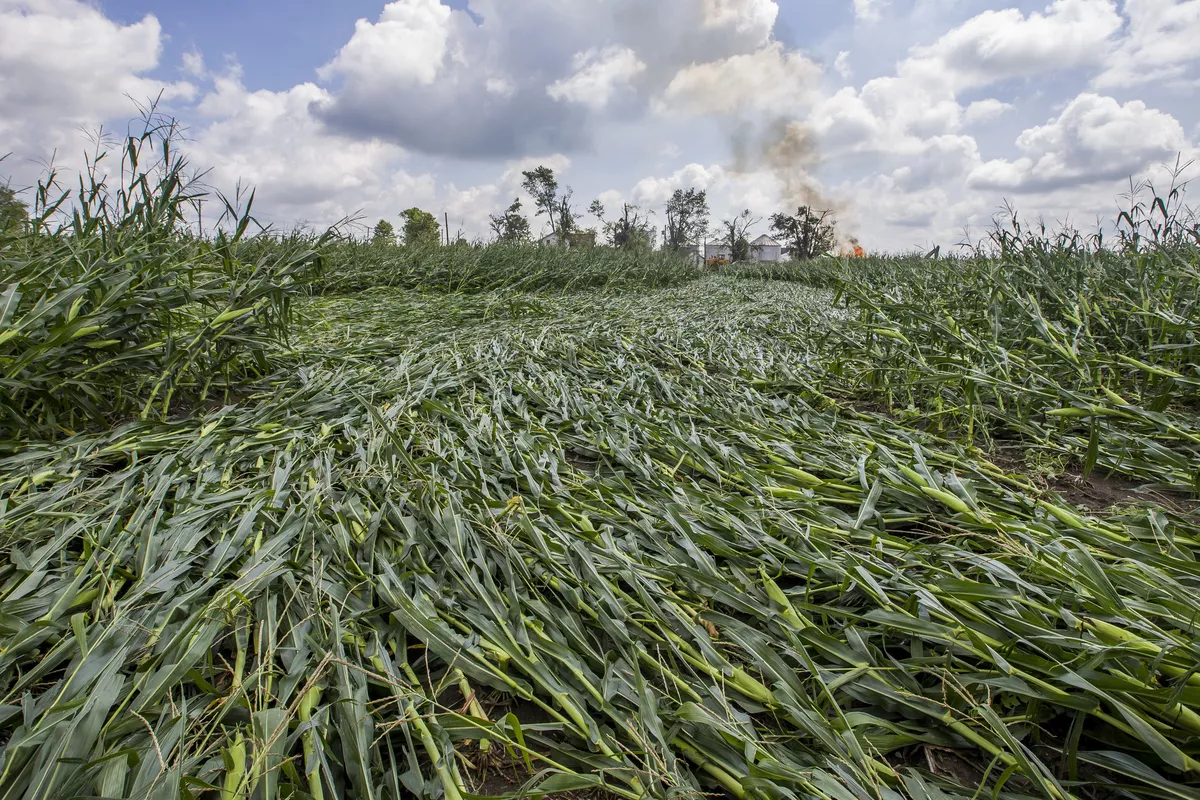
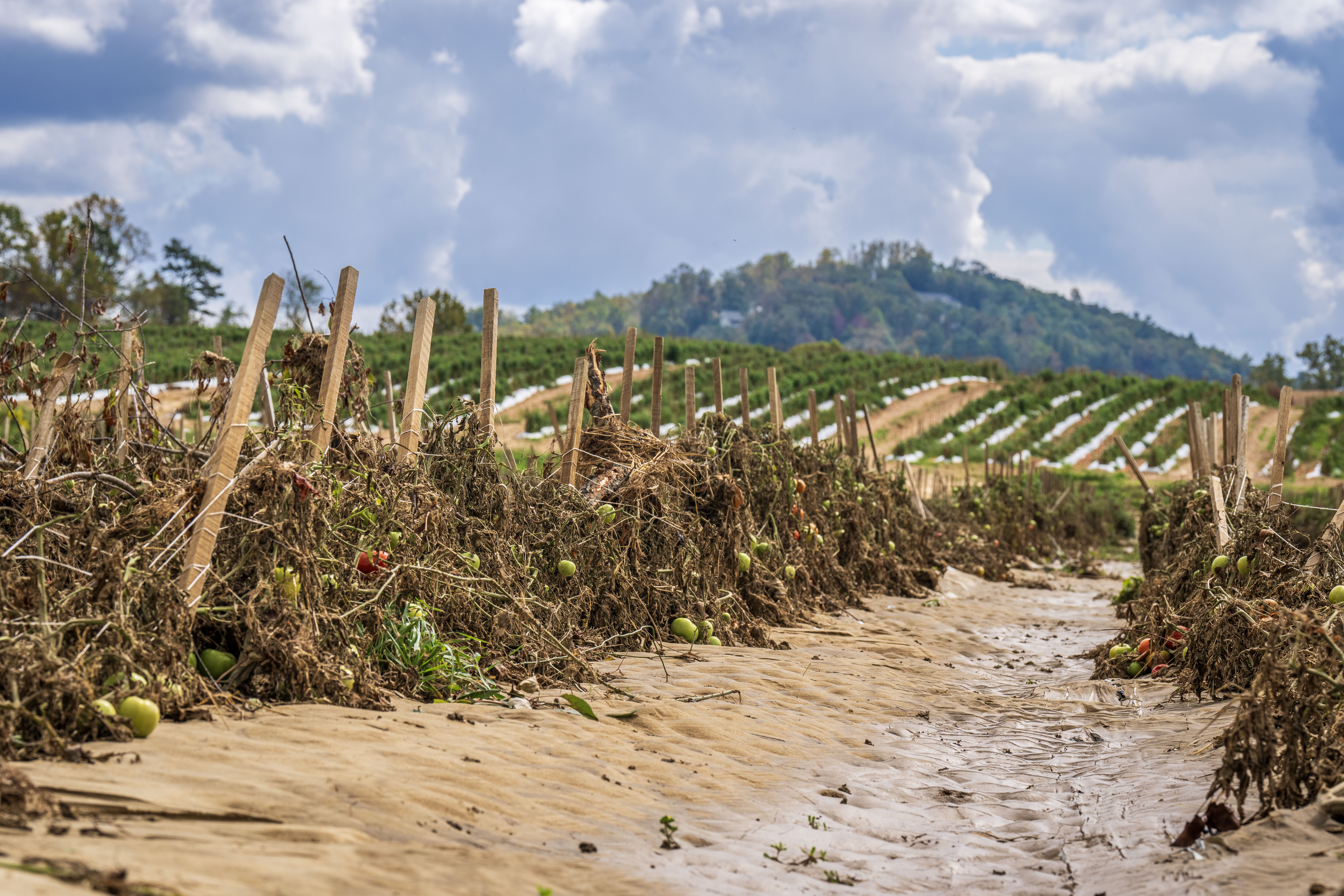
Crop insurance payouts surpassed $118 billion between 2001 and 2022 nationally for damage caused by extreme weather such as drought, heat and floods. The report by the advocacy organization Environmental Working Group points to climate change’s increasing impacts to agriculture.
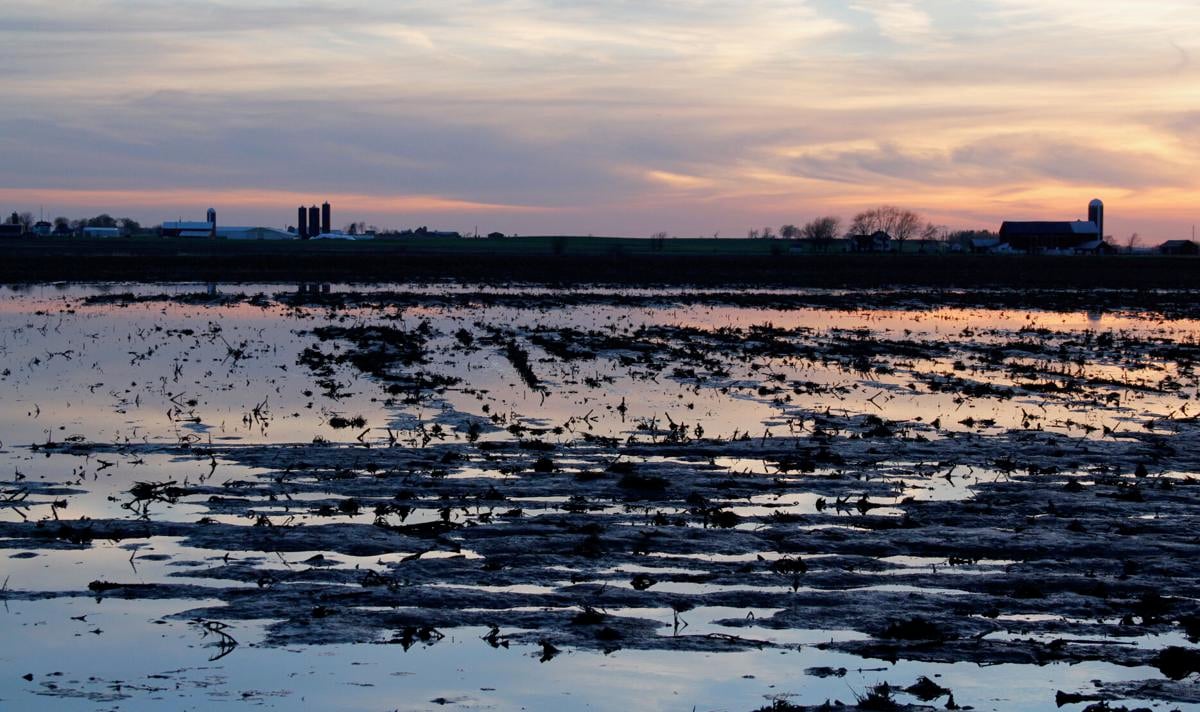
The findings follow a tumultuous growing season, wrought with extreme drought ravaging the Midwest and much of the surrounding Mississippi River basin. Dry conditions are often bookended by increased precipitation and flooding -- a trend the basin may see more of due to climate change. As harvests draw to a close, many farmers will look to the federal government for support.
The U.S. Department of Agriculture oversees the federal crop insurance program, a public-private partnership that offers farmers financial protection against crop losses or revenue declines. Farmers pay premiums to get insured, of which taxpayers subsidize around two-thirds on average. Producers are then paid indemnities to recoup their losses.
Causes of crop loss include disease, drops in crop prices and adverse weather conditions. Over the last two decades, the top five weather-related causes of crop loss were drought, excess moisture and precipitation, hail, heat and freeze, found EWG report author and Midwest director Anne Schechinger, who is also an agricultural economist.
“These payments have already increased over time, in part due to climate change,” Schechinger said. “And we know that the climate crisis is going to lead to larger payments in the future.”
The amount of money shelled out for each type of disaster more than doubled from 2001 to 2022.
Payouts for heat-related crop failures, for example, increased by more than a thousand percent from $142.5 million in 2001 to $1.6 billion in 2022 -- the largest jump of all categories. Drought-related indemnities came with the most expensive price tag in 2022: $7.6 billion, a 690% increase from 2001 payments. Excess moisture, hail and freeze indemnities followed.
More farmers are signing up for crop insurance, and some crop prices have increased, which has contributed to the rise in crop insurance payouts over time, Schechinger said. But climate change has also proven to have an outsized impact: higher temperatures alone have increased U.S. crop insurance losses by $27 billion since the 1990s, according to a 2021 Stanford University study.
Corn and soybeans are among the biggest crops in the United States, and corn farmers claimed the most losses due to excess moisture, at $15.7 billion nationally, along with hail payments, at $2.5 billion. Most corn is used for ethanol or livestock feed. Soybean farmers received $8.4 billion in excess moisture payments. Wheat growers received $2.2 billion in hail payments.
EWG also mapped how the indemnities were distributed across the U.S. down to the county level. Mississippi River basin states claimed huge losses, particularly those in the Midwest and the Great Plains.
The most expensive cause of crop loss nationally was drought at $56.6 billion. Aside from Texas, which received the most in indemnities, the top-10 states are all in the Mississippi River basin. They also saw extreme rainfall: Minnesota, the Dakotas, Iowa, Illinois and Missouri make up the top six states for excess moisture payouts.
Hail payments were largely concentrated in the Great Plains and Montana, with smaller pockets in Iowa and Minnesota. Indemnities related to heat and freeze were concentrated in California, Texas, Kansas and Washington.
Mapping distribution of crop insurance payments also revealed local hotspots, Schechinger found. Payments for excess moisture were concentrated in communities along the Mississippi River, particularly those along the southern portion in Arkansas and Louisiana.
“It’s not just the states like California or Iowa that have the most agriculture getting payments,” Schechinger said. “There are really these specific weather-related causes of loss that are affecting farmers in certain parts of the country, and less so in other parts of the country.”
To Chad Hart, an economics professor and crop markets specialist at Iowa State University, the top five weather-related causes of crop payments aren’t surprising.
Drought, excess moisture, hail, freeze and heat have been plaguing farm fields since the federal crop insurance program was created in the 1930s. The share of weather-related causes of loss has actually dropped since the 20th century as crop insurance has expanded to protect against more factors, like falling crop prices.
What’s novel is the exponential growth in crop insurance payouts for disasters over the past few decades, like the hefty increases in indemnities for heat, drought and freezes shown in the EWG report, Hart said.
“The rates of growth in the payouts from these disasters… is growing faster than the overall pace of crop insurance indemnities,” he said. “We do seem to be getting more extreme (climate change) impacts because we’re paying out relatively more (payouts) over the past couple of decades.”
Schechinger argues the federal crop insurance system is flawed. She said that by its very nature, the program discourages farmers from adapting to climate change.
Farmers may be willing to take more risks -- like farming on land vulnerable to climate change, such as floodplains along the Mississippi River -- because their losses are subsidized. They may not understand how much risk their properties have, and they may not be willing to reduce their risks since their losses will be covered.
In the 2023 Farm Bill, the EWG is calling for climate change to be considered in crop insurance calculations. The USDA could integrate future weather or yield forecasts, for example, instead of basing rates on historical yields -- which could be tricky to make equitable, Hart said. The organization is also calling for lower subsidies for those farming on high-risk lands more vulnerable to climate change.
“This program, while it’s highly subsidized by taxpayers, is also paid for by farmers. So when we see the indemnities going up, that’s not just costing taxpayers more money. It’s also costing farmers more money,” Schechinger said. “I think we really need to be doing work now to encourage farmers to adapt because that could help decrease costs in the future.”
Source - https://bismarcktribune.com