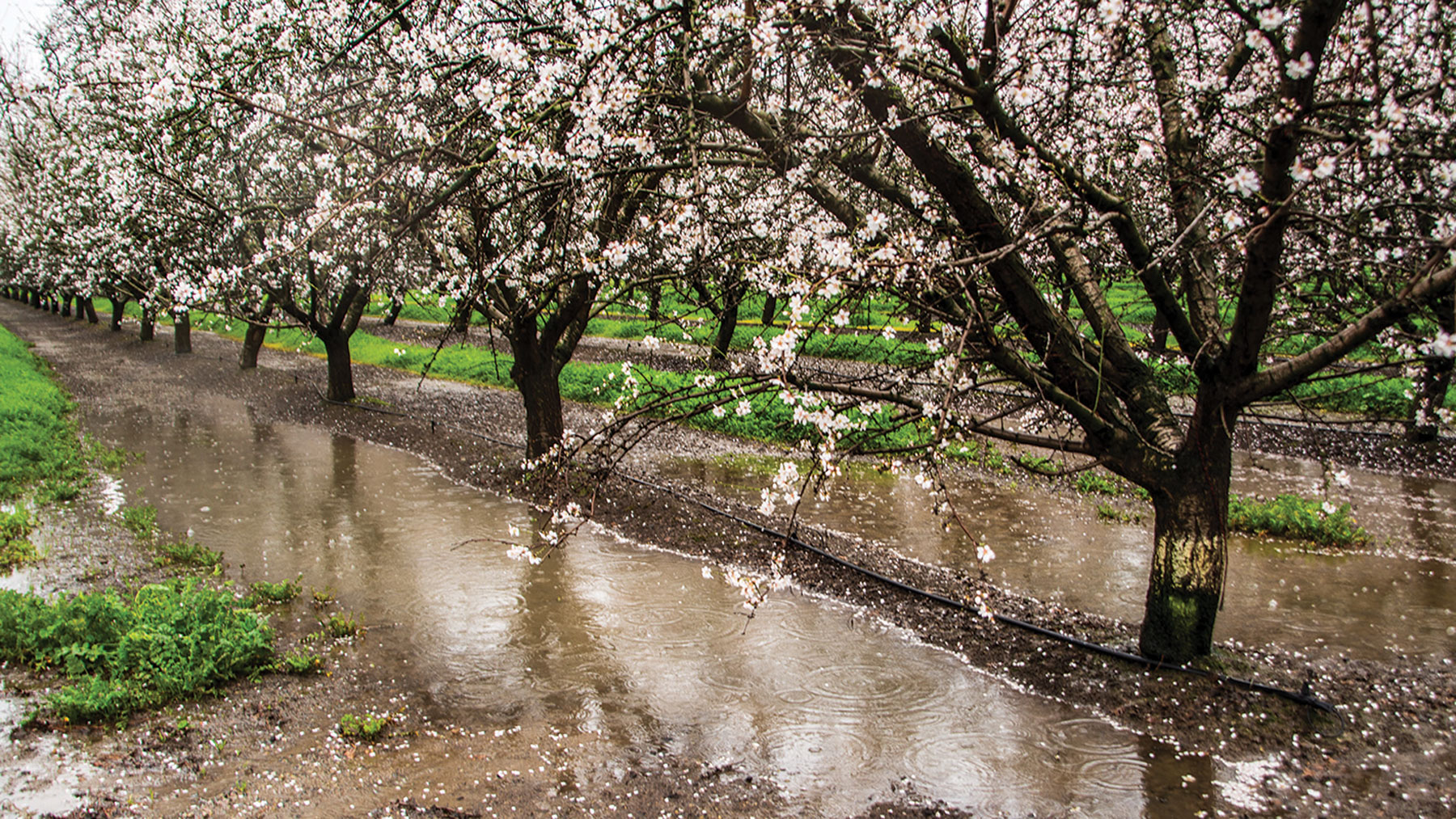
Kern farmers may have suffered close to $1 billion in crop losses when unseasonable rain hit the local vineyards and almond orchards in August, according to a new assessment being used to support the county's bid for federal disaster assistance.
A letter the county's ag commissioner sent a senior state official Oct. 13 said that, based on grower surveys, 37% of Kern's almonds and 44% of its grapes appear to have been lost because of "adverse climatic conditions" during Tropical Storm Hilary.
The letter is the first official report on how much damage the county's $7.7 billion ag industry sustained during a two-day event that came as grapes were at the peak of harvest and many almonds were just about to be shaken from trees.
Grapes, including high-value table varieties, showed signs of damage from mildew, bunch rot and decay, according to the assessment by Ag Commissioner Glenn Fankhauser. He noted the total loss from grapes was estimated at more than $532 million, based on average prices during the past five years.
Almonds deteriorated and decreased in quality as the storm delayed the harvest and pressure from pests increased, Fankhauser noted. He pegged the loss to almond growers at more than $397 million.
"As harvest is not yet complete, the full ramifications of this weather event are still unknown," he wrote in the letter.
Fankhauser said both crops appear to have met the criteria for a disaster declaration — 30% or more loss on a specific crop. In that case, the request is routine and will likely be approved, he wrote in an email Tuesday.
He added that although he has not received a response yet from the state, the ultimate decision will be up to the U.S. Department of Agriculture Farm Services Agency, which did not respond to a request for comment Tuesday.
Assuming the disaster declaration is ultimately approved, it would open the opportunity for affected growers in the county to receive low-interest loans as a way of helping them rebound from this year's crop losses.
Shafter grape and almond grower Kenny Kirschenmann said he has never before applied for a disaster recovery loan but that, given the circumstances, "it would be helpful" this year because of relatively high interest rates lately.
The co-owner of Kirschenmann Bros. said the company's variable-rate loans jumped from about 2% last year to about 8% this year, which he called "a big number that everybody's got to deal with."
He counted himself lucky: All Kirschenmann's wine grapes were turned in for crop insurance this year, while the company's table grapes were already harvested by the time Hilary arrived Aug. 20. With regard to almonds, he said, "we made it through."
The last time Kern put in for commodity-specific disaster relief was in August 2022 to help cover blueberry losses, Fankhauser recalled. He noted there was a presidential disaster declaration earlier this year but that was more focused on addressing infrastructure damage.
On Tuesday, Rep. Jim Costa, D-Fresno, and other members of Congress announced having sent a letter to the White House calling on the Biden administration to include disaster relief funds to California farmers in an upcoming request for domestic spending priorities.
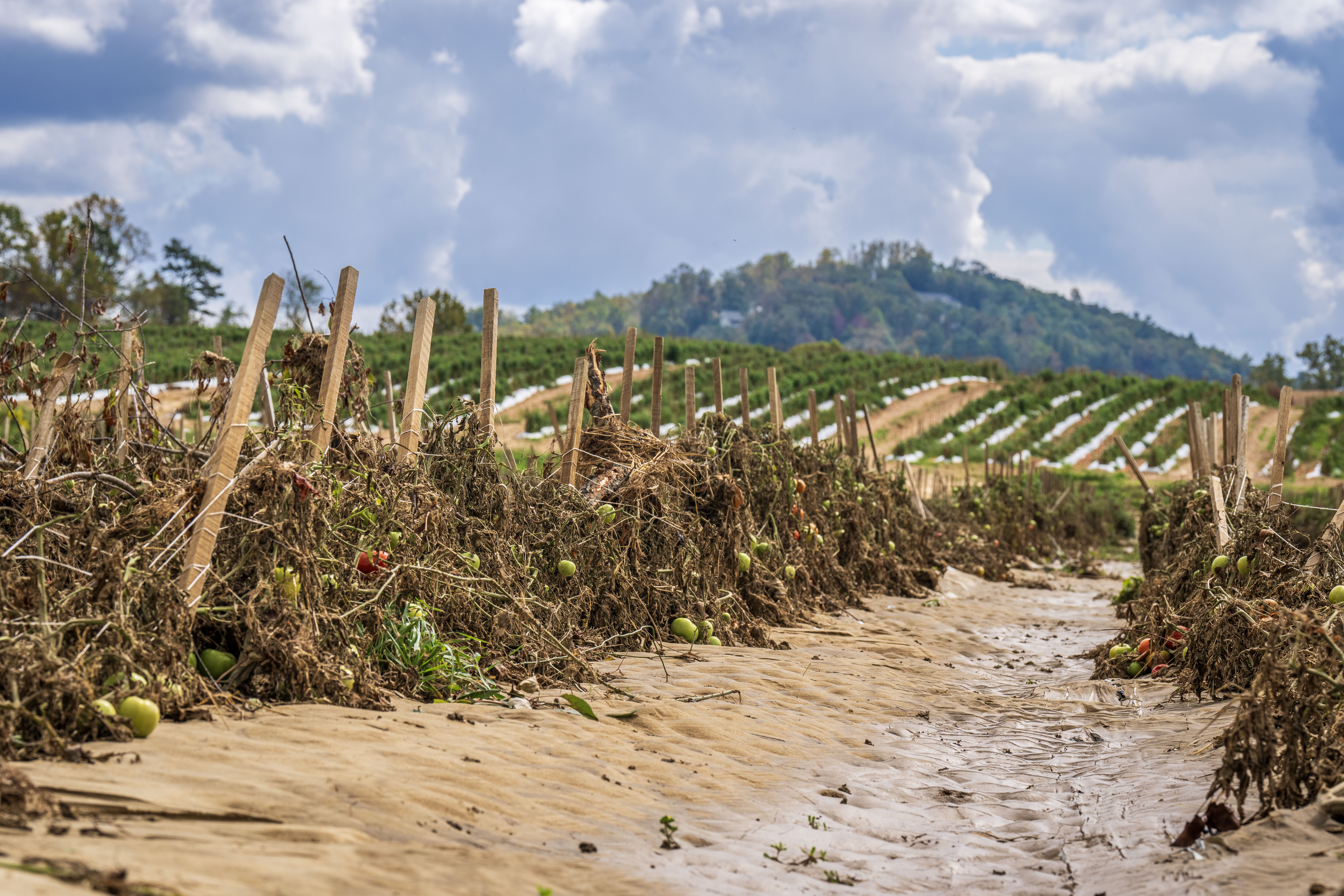
That letter focused not on damage from Hilary but on exceptionally wet storms early in 2023 that saturated some fields to the point they could not be planted at all this year. It cited damages of up to $1.4 billion.
“It is imperative the federal government provide much-needed aid to the agricultural community to allow for a full and timely recovery," said the letter, which was also signed by Democratic Reps. Julia Brownley, Salud Carbajal, Zoe Lofgren and Jimmy Panetta.
"Without this desperately needed assistance," it said, "farmers will not be able to produce the country’s fruits and vegetables and the effects will be felt nationwide."
Source - https://www.bakersfield.com