USA - California's fruit and nut sector at risk from increased pest risk

07.12.2023 595 views

California's vital fruit and nut supply is confronting an amplified threat from crop-destroying insects driven by climate change, as outlined in a study by researchers from UC Merced, the University of California's climate hub, and the U.S. Department of Agriculture California Climate Hub. The state's specialty crops, including almonds, peaches, and walnuts, are particularly susceptible to increasing insect populations due to rising temperatures.

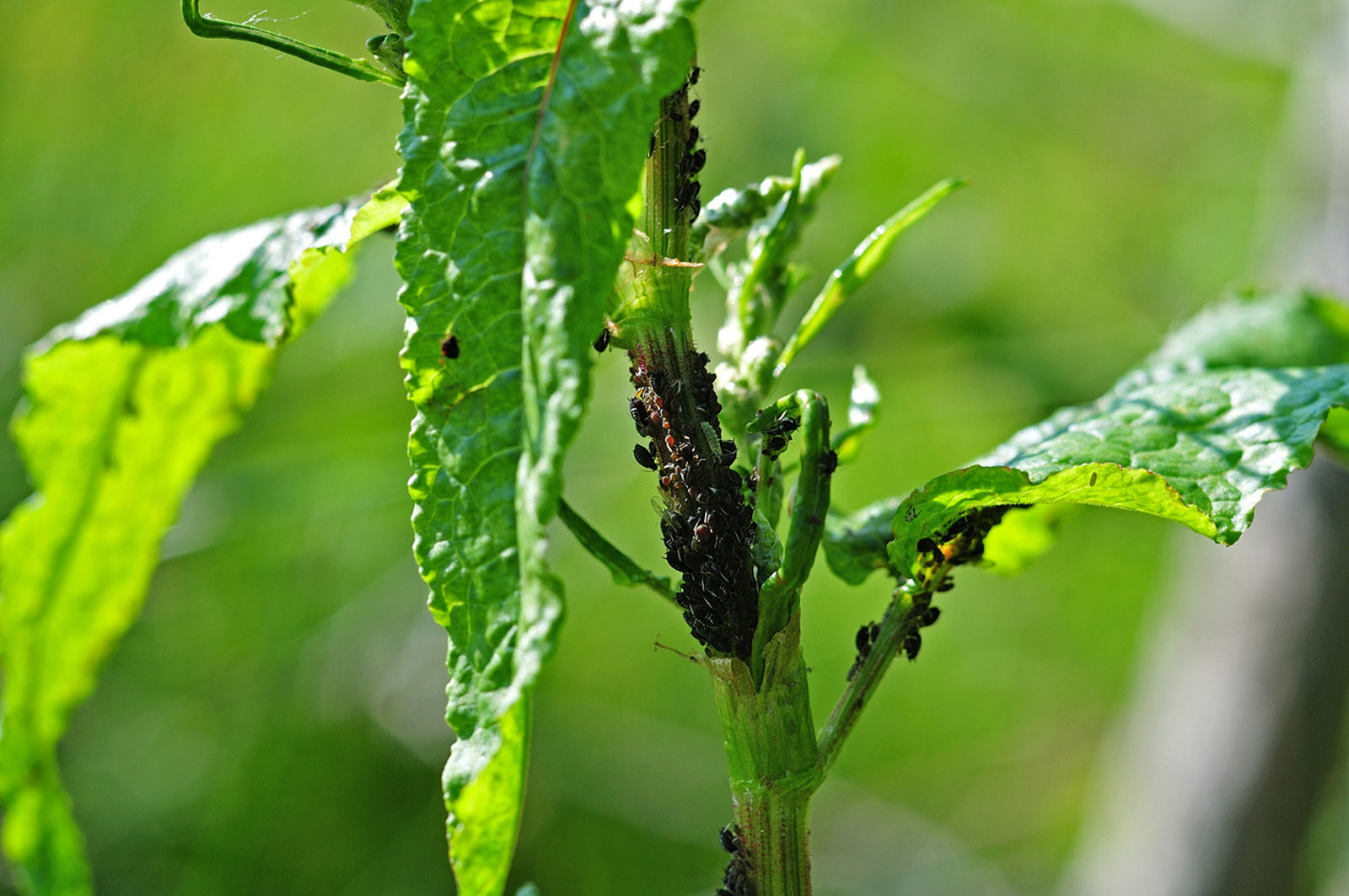
The study pinpoints three major insect species—the codling moth, the peach twig borer, and the oriental fruit moth—as significant menaces to California's orchards. These pests are notorious for inflicting substantial damage on walnut, almond, and peach orchards, diminishing the quality of fruits and nuts.

Climate change, with its erratic seasonal shifts, disrupts the regular life cycle of these pests. The research indicates that these three insect species are anticipated to emerge 28 days earlier than usual in the spring, with the interval between each generation shortening by up to 19 days. Although these changes won't unfold simultaneously, scientists foresee a gradual escalation in pest numbers over the next 20 to 30 years.

Jhalendra Rijal, a co-author of the study and UC Cooperative Extension integrated pest management adviser, underscores the economic ramifications. The codling moth, a primary pest, occupies over 365,000 acres of California's walnut orchards. Controlling these pests, essential for preserving the fruit, becomes even more critical as additional generations within the same growing season are expected to heighten crop damage, escalating production costs for growers. Moreover, heightened use of insecticides poses threats to beneficial insects and the environment.

The study underscores the necessity for a re-evaluation of current pest management approaches and the development of adaptive strategies to counter the rising threat to specialty crops. Rijal emphasizes the need for revised guidelines, including adjustments to trap placement dates, to effectively monitor early pest activity. These findings underscore the challenges faced by California's agriculture sector due to climate change, necessitating proactive measures to protect crucial crops.

Source - https://www.freshplaza.com

28.04.2026

Philippines seeks 500 million USD for engineered bamboo development

The project is currently at the concept stage, with feasibility studies expected to take five to six months and overall preparation about a year. Implementation could begin in 2027, pending loan approval.

28.04.2026

Insurance compensation of 186,000 manats paid to tobacco farmers in Azerbaijan

To date, 186,000 manats of insurance compensation have been paid to farmers and farms in the tobacco industry in Azerbaijan.

28.04.2026

USA - Climate Disasters Are Straining Hawaii’s Insurance System

Frequent and costly disasters are driving up premiums and leaving many properties uninsured or underinsured. 

28.04.2026

Brazil - São Paulo releases R$400 million in rural credit in a record package for farmers, agricultural insurance, machinery, and land regularization

The package announced at Agrishow in Ribeirão Preto combines rural credit, agricultural insurance, land tenure regularization, mechanization, inclusion of women, innovation, and environmental actions, with R$ 455 million in investments aimed at strengthening São Paulo’s agribusiness.

28.04.2026

When will Moldovan authorities announce a call for applications for subsidizing agrarian insurance?

To date, the MAIA Ministry of Agriculture and Food Industry has not yet announced the start of the next stage of accepting applications for subsidies under agricultural risk insurance contracts concluded in the fall and winter period. While waiting for this announcement, some insurance companies are being "restrained" in the agricultural segment - they insure only livestock farms and perennial crop plantations of their regular customers.

28.04.2026

USA - USDA just doubled disaster payments, and gave farmers until August 12

SDRP disaster payment farmers 2026 just got a major upgrade. Agriculture Secretary Brooke Rollins announced on April 24 in Higginsville, Missouri that USDA is raising the Supplemental Disaster Relief Program payment factor from 35 percent to 70 percent. 

27.04.2026

India - Crop Ruined by Parrots is 'Damage by Wild Animals', says HC; Gives Relief

Holding that citizens cannot be forced to bear losses caused by protected wild animals, the Nagpur Bench of the Bombay High Court has ruled that denying compensation to a farmer merely because parrots were omitted from a government list would breach principles of equality. 

27.04.2026

The World Bank: Agri-risk management in Bulgaria

CAP has steered Bulgarian agriculture toward greater resilience, but the sector continues to suffer from an absence of a comprehensive risk management strategy and limited research on internal and external risks, the report concludes.