USA - California rains cause a muddy mess

12.01.2023 926 views

It’s intense and it’s too early to tell what this will do. That seems to be the sentiment from growers about the effects of the sizeable rainstorms California is seeing, enough to cause evacuation orders, flooding and more.

“It is crazy here in Santa Maria! We have had so much rain in the last 24 hours with record rainfall in some parts,” says Crystal Chavez of Gold Coast Packing. She notes that that region is seeing flooding and closed roadways with areas receiving water at rates it hasn’t seen in decades.

“It is too early to say how our crops are affected due to the rain. That will all be assessed over the next few days,” Chavez says. “We have had a few issues with getting our product from the desert to our facility in Santa Maria due to roadway closures. So our trucks have had to be re-routed and that's causing delays but we are working through all of the minor issues. We are hanging in there.”

Keeping fields drained
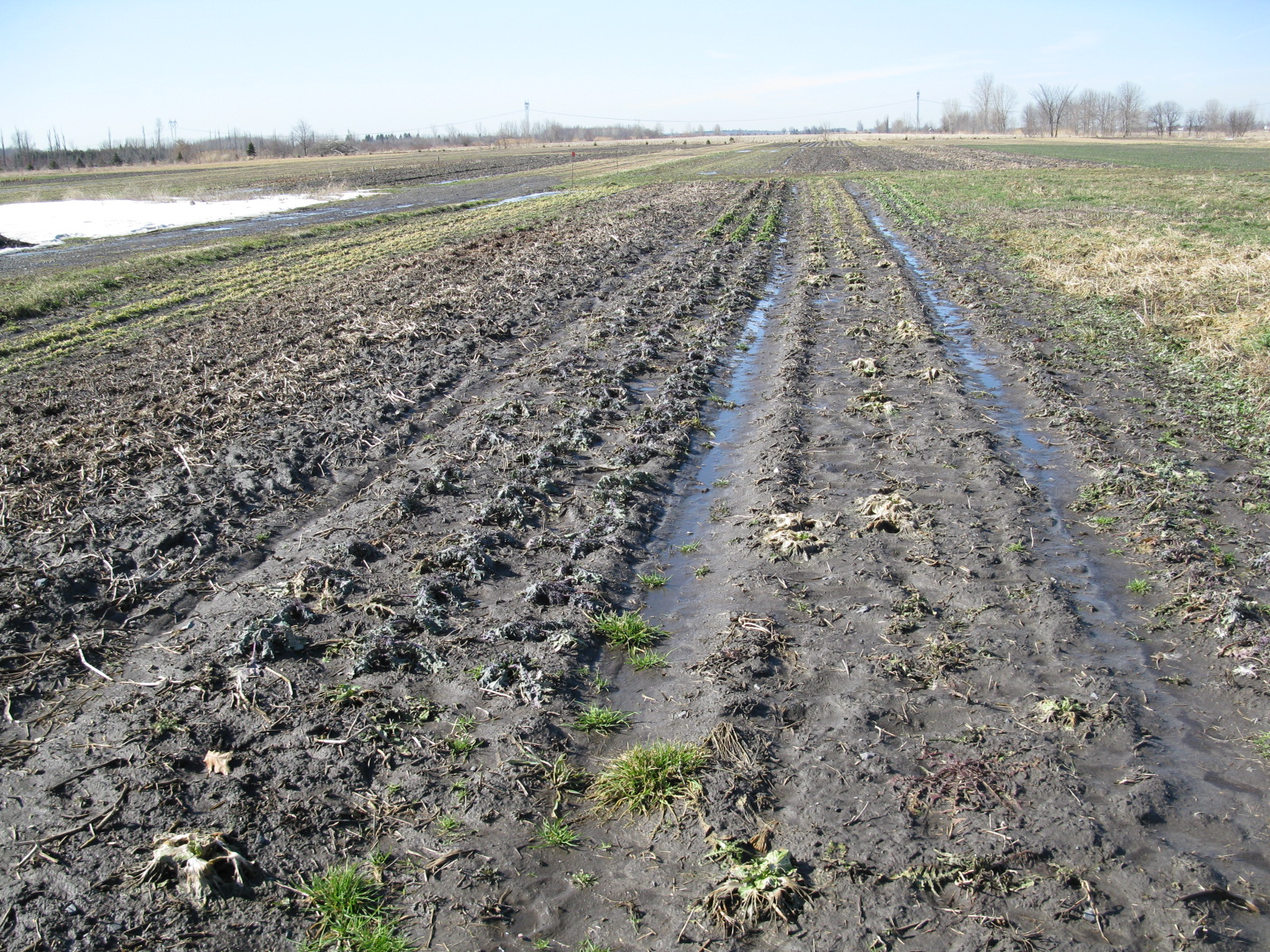
Over at Bobalu Berries, Cindy Jewell shares that sentiment. “We are getting a lot of rain throughout the state that is going to continue off and on for several more days,” she says. “It's hard to provide any kind of crop update until the weather subsides. Currently, we are just focused on keeping the fields drained so we don't get water build up beyond the furrows.”

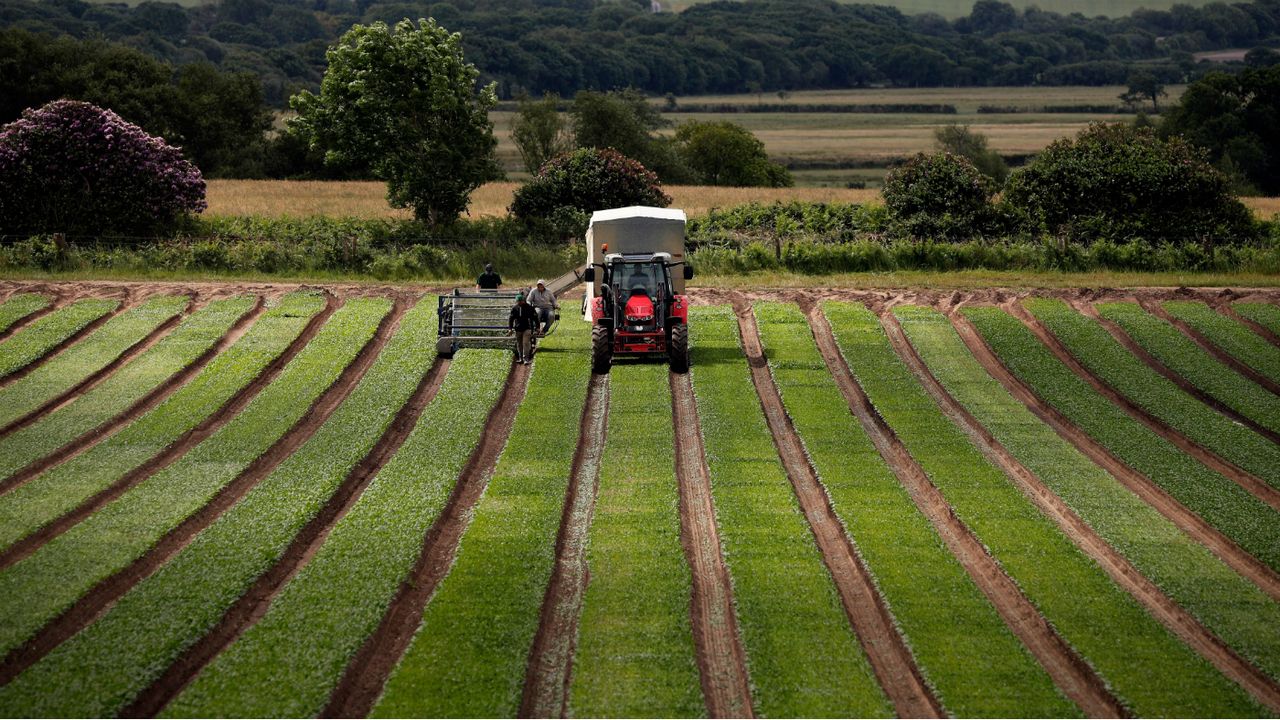
“In the short run, it’s a muddy mess on the Central Coast of California,” says Zack Andrade of Spinaca Farms. “It’s too early to tell how much damage has been done from the rain but growers are certainly having to adjust their planting schedules and will most likely have to stay longer in Imperial/Yuma and Northern Mexico for the spring crops. Supply disruptions will most likely be seen in March and April, as plantings that can’t go in right now are for crops slated to harvest in the spring of 2023 on the Central Coast.”

Source - https://www.freshplaza.com

05.05.2026

Climate change: challenges and opportunities for crop insurance in Canada

The pandemic we have just come out of reminded us of the importance of maintaining robust food sovereignty in our country, provinces and cities. 

05.05.2026

Azerbaijan, Uzbekistan hold talks on agro-industrial collaboration

On May 5, Minister of Agriculture Majnun Mammadov met with a delegation from Uzbekistan led by Minister of Agriculture Ibrokhim Abdurakhmonov, who attended the 19th Azerbaijan International Agricultural Exhibition (Caspian Agro Week), to discuss bilateral cooperation in the agricultural sector, Trend reports.

05.05.2026

Philippines - P6.69-million crop damage logged in Albay due to Mayon unrest

Damage to crops from Mayon Volcano’s unrest has reached P6.69 million, with ashfall affecting several farmers in Albay, authorities said Tuesday.

05.05.2026

Cyprus - Farmers in Karpasia seek compensation for crop damage caused by wild donkeys

Losses reported in Rizokarpaso and nearby villages as donkey population grows and destroys farmland.

05.05.2026

USA - USDA Risk Management Agency Upgrades Rainfall Data Source

The U.S. Department of Agriculture’s (USDA) Risk Management Agency (RMA) is upgrading the source for rainfall data used in several Federal crop insurance programs, moving from the National Oceanic and Atmospheric Administration’s Climate Prediction Center (CPC) to the National Centers for Environmental Information (NCEI). 

05.05.2026

Asparagus losses in Norfolk County, Canada reach 98 percent after frost

Frost events in Canada recently caused crop damage in Norfolk County, with asparagus production heavily affected. At Dalton White Farms, losses reached up to 98 per cent of the field.

04.05.2026

Bulgaria's Kyustendil cherry crop severely affected by frost for second consecutive year

Frosts have caused critical damage to cherry orchards in the Kyustendil region of Bulgaria for the second consecutive spring, with producers reporting near-total crop losses. 

04.05.2026

Vietnam - MoF moves to expand farm insurance support and eligibility

The Ministry of Finance has proposed sharply increasing agricultural insurance premium subsidies to up to 95 per cent and widening the pool of eligible beneficiaries to better share risks with producers, stabilise farm incomes, and strengthen climate resilience.