In the early hours of a cold fall morning, thousands of birds would sit in the puddles of water in the empty rice fields just outside the Sacramento Valley.
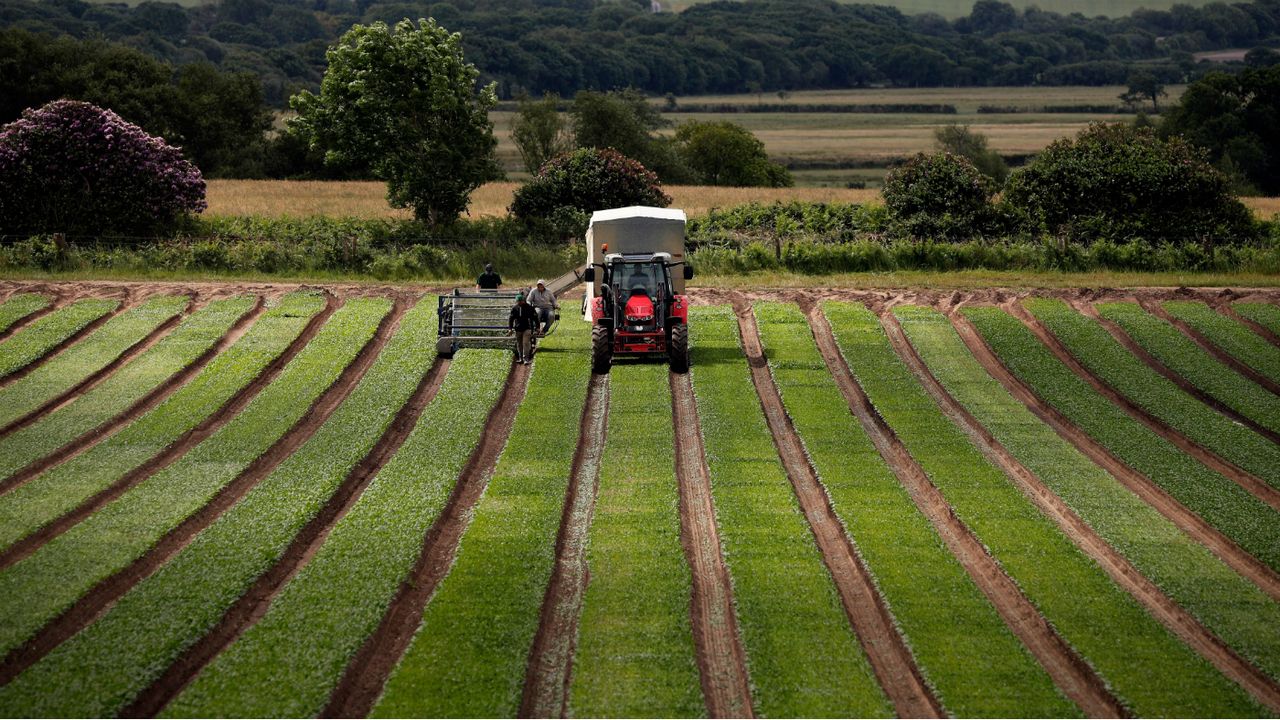
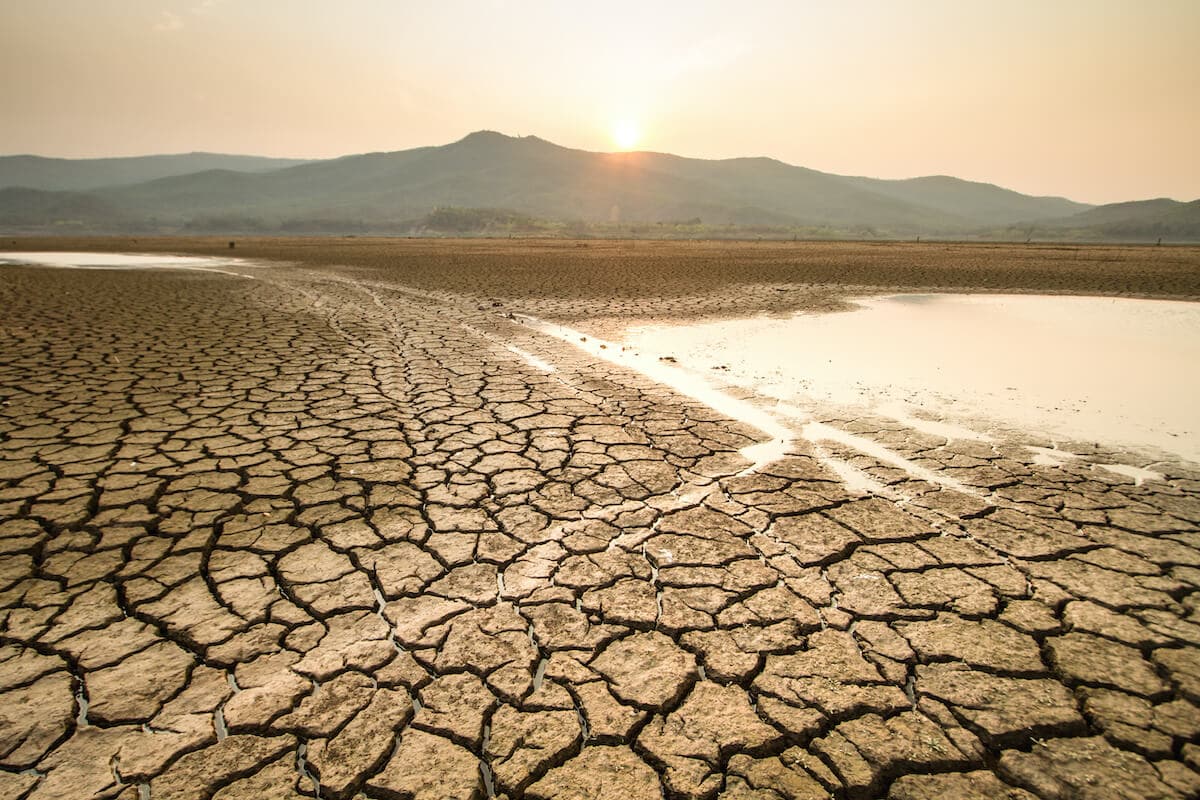
At many of those fields this year, there isn’t a single bird that can be seen. It’s because there’s no water. There are no plants. The fields are empty and bone dry. They’ve become fallowed. The streams of water that once flowed to allow the beavers and deer feed and drink are gone. The ground looks like slabs of cracked concrete.
Economists and farmers warn that there could be severe environmental and economic consequences that stretch beyond these dry fields that farmers are challenged with.
California is now experiencing the driest three-year period since late 1800s. Even with the recent rain and snowfall along the Sierra Nevada Mountains, farmers aren’t holding their breath for this winter and rainy season to end the drought.
"I don’t know that I’ve ever seen this, it’s unprecedented," rice farmer Sean Doherty said as he looked at his empty rice fields. In a normal year, Doherty would typically farm about 5,000 acres of rice. He was only able to farm about 700 acres this year because he didn’t have enough of water.
Doherty is also starting to notice the ecological impacts of the drought. He said he would see the birds, deer, and other animals on his farm every morning. Now, it’s rare if he even sees one.
In a new report prepared for the California Department of Food and Agriculture, the state’s irrigated farmland shrunk by 752,000 acres of farmland, or by nearly 10%. Doherty is one of the many farmers who was forced to scale back.
"You hope for the best, and plan for the worst," Doherty said.
In the past two years, a combined $3 billion has been lost in revenue because of crop losses. $1.7 billion was lost in 2022 alone, or, about 4.3% of the GDP.
Other sectors in the agriculture industry have had significant losses as well. In 2022, $3.5 billion was lost in gross revenue for processing and purchasing agriculture products.
"Everything from the milk industry around to almonds has been effected," UC Davis Agricultural Economics Professor Daniel Sumner said. Sumner helped prepare the report for the California Department of Food and Agriculture. He says consumers could soon see the prices rise in stores for certain products, like the rice Doherty grows.
The rice crop in California was only about half of a normal harvest season. Two hundred and seventy thousand acres were harvested compared to the usual 550 thousand.
"That has effects on the rest of the economy as well, it’s not just the farmers or the farm workers. It’s the grocery stores, all the way to the economy," Sumner said.
For farmers like Doherty who are planning next year’s crop, some are wondering if it’s even worth growing again because of the drought.
"I don’t know what’s going to happen, I don’t know that anybody does, obviously mother nature does, but she’s not talking," he said.
Source - https://finance.yahoo.com