USA - Changes to silage sorghum crop insurance for 2023

01.12.2022 871 views

The USDA is enhancing crop insurance for silage sorghum producers by converting the Silage Sorghum Pilot Endorsement to permanent and allowing written agreements. These changes will take effect beginning with the 2023 crop year.

“The designation of the crop insurance endorsement for silage sorghum as a permanent policy and the ability to request written agreements will be welcome news for producers in the High Plains region,” said Collin Olsen, Director of Risk Management Agency’s (RMA) Regional Office in Topeka. “Our producers will appreciate another risk management tool that can help them better manage their risk and protect them against unforeseen challenges.”

RMA has offered the silage sorghum endorsement for several years as a pilot with positive feedback from producers. On Aug. 18, 2022, the Federal Crop Insurance Corporation (FCIC) Board of Directors approved the changes, making the endorsement permanent and allowing written agreements so producers outside of the targeted pilot area could purchase coverage.

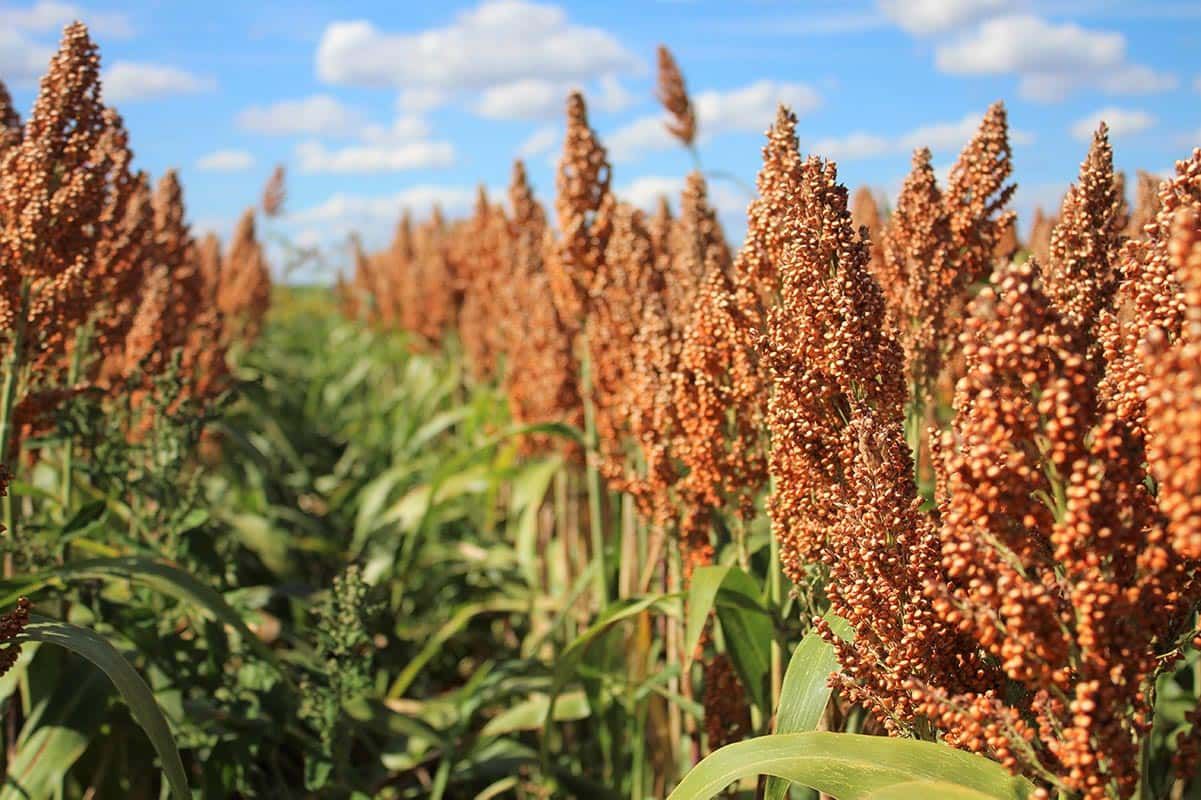
This endorsement attaches to the Coarse Grains Crop Provisions and extends actual production history coverage for dual-purpose sorghum varieties grown for silage. Silage sorghum is an alternative to corn as feed. Silage sorghum has several benefits for producers, such as being drought tolerant and requiring less irrigation water than other crops.

Silage sorghum is grown on non-irrigated and irrigated acres in the High Plains region. The Silage Sorghum Endorsement is currently available in select counties in Colorado, Kansas, New Mexico, Oklahoma, and Texas. Impacted states served by the RMA Oklahoma Regional Office are New Mexico, Oklahoma, and Texas. Nationally, silage sorghum producers purchased 440 policies to protect nearly $29 million in liabilities in 2022.

The policy provisions will be posted on the RMA website by Nov. 30, 2022.

Source - https://www.agriculture.com

14.05.2026

ASF outbreak deepens uncertainty for Bhutan’s pig farmers

The ministry urged farmers to immediately strengthen farm biosecurity by restricting visitors, preventing contact between domestic and wild pigs, and ensuring that any kitchen waste fed to pigs is boiled and cooked for at least 30 minutes.

14.05.2026

More focus on early detection of Nesidiocoris

In Northern Europe, the predatory bug Nesidiocoris tenuis, commonly referred to as Nesi, presents a growing challenge for tomato growers.

14.05.2026

South Africa - Five new farming risks reshape agricultural insurance

This includes combining traditional insurance with alternative instruments and broader risk tools

14.05.2026

Canada - Cattle industry calls for stronger risk management programs

Canada’s cattle sector is urging governments to modernize business risk management programs, warning that current tools are not keeping pace with market volatility, rising costs, and major policy uncertainty.

14.05.2026

India - Hailstorm-hit Growers Say Govt Ignoring Crop Insurance, Loan Waiver Pleas

Growers across Kashmir have demanded immediate government intervention after severe hailstorms and heavy rainfall caused widespread damage to orchards and standing crops in several districts, including Baramulla, Bandipora and parts of south Kashmir.

14.05.2026

USA - Michigan apple crop continues to face frost threats into May

A West Michigan apple grower says she remains optimistic about this season, even with at least eight frost-risk events so far.

12.05.2026

India - Storms damage mango, watermelon, and vegetable crops in Jharkhand

High-velocity winds, heavy rainfall, and hailstorms across Jharkhand in recent days have caused damage to seasonal fruit and vegetable crops, including mangoes, watermelons, tomatoes, coriander, okra, and gourds.

12.05.2026

Canada - AFSC rethinking honey insurance programs offered to Alberta beekeepers

Despite offering coverage for everything from bear attacks to parasitic mites, Alberta’s honey insurance programs continue to see remarkably low participation rates among the province’s beekeepers.