A North Carolina State University study suggests that cover crops – or crops grown in between cash-crop seasons – can help keep Midwestern soil drier and healthier, thereby preventing losses incurred when farmers can’t plant cash crops because of flooding or excessive soil moisture.
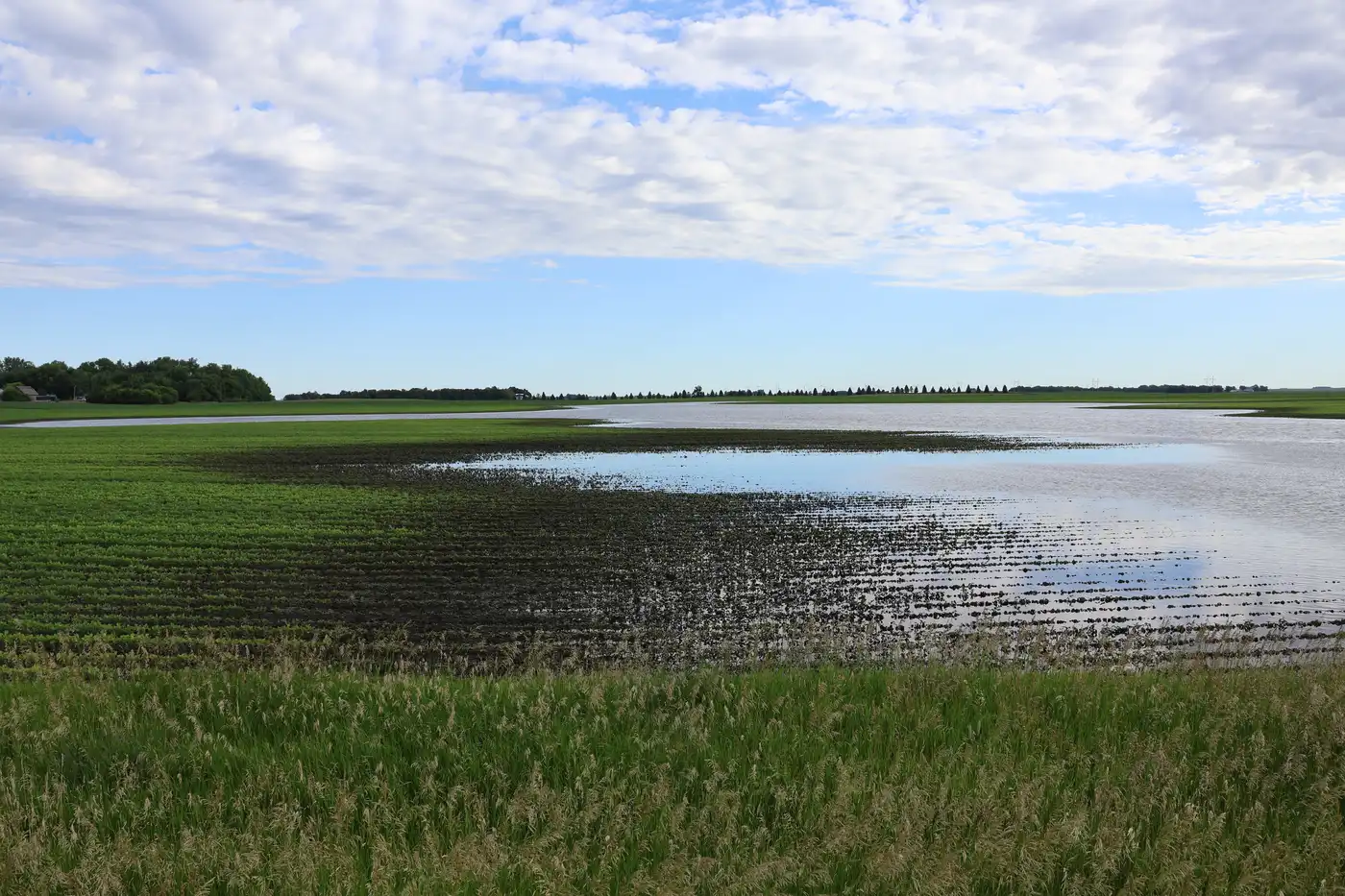
In a study that examined county-level cover-crop planting, crop insurance data and weather measures in 12 states in the U.S. corn belt from 2005 to 2016, researchers found that higher cover-crop adoption led to lower levels of crop insurance losses due to prevented planting, possibly because cover crops helped the soil handle excessive moisture in the spring.
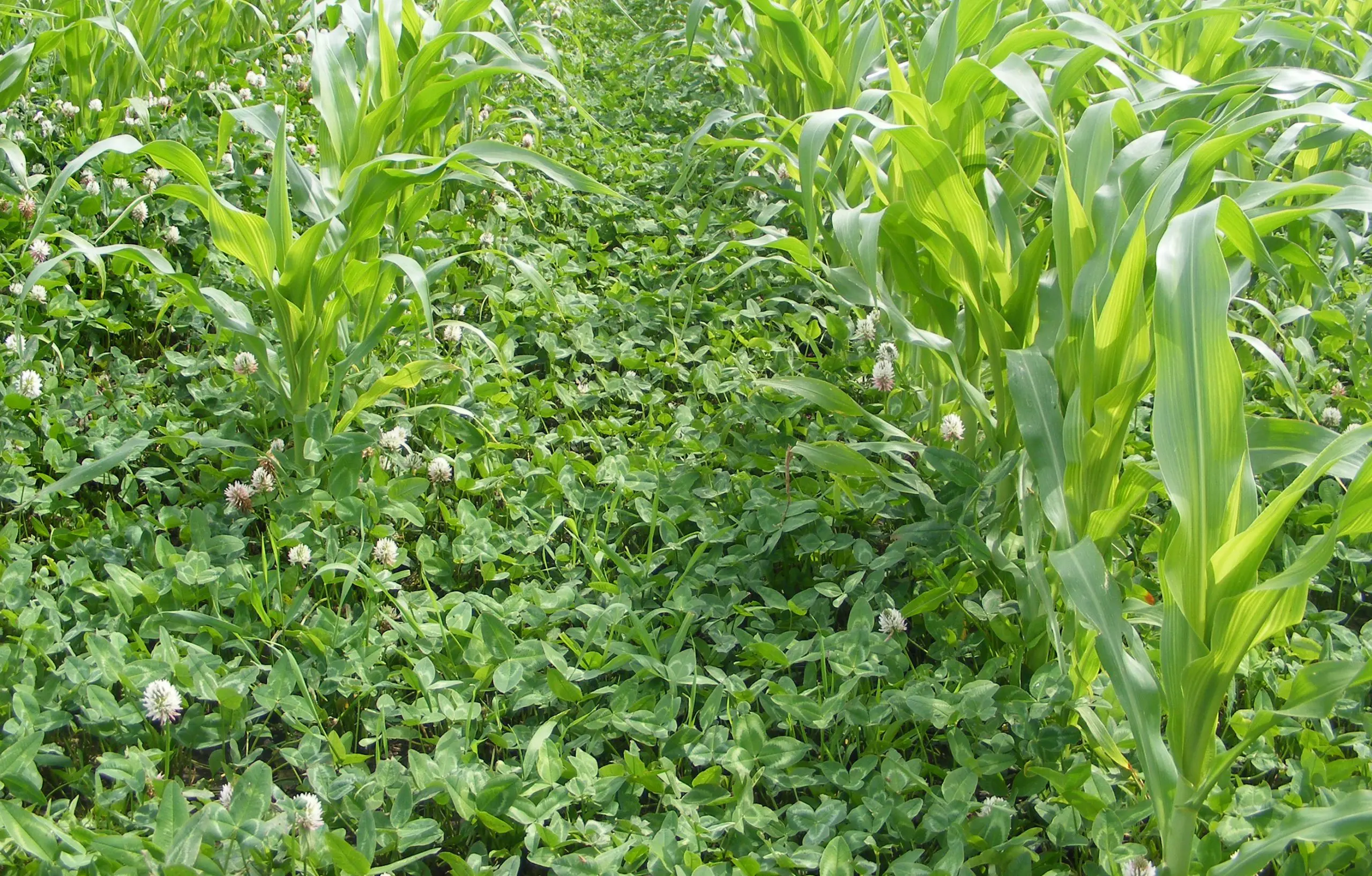
“Our study suggests that counties with higher cover-crop adoption rates tend to have smaller prevented-planting losses,” said Roderick M. Rejesus, professor and extension specialist in the Department of Agricultural and Resource Economics at NC State and corresponding author of a paper describing the study. “Our results are consistent with the notion that planting cover crops can help control excess water in the soil through improved transpiration and better water infiltration. In turn, improved soil conditions help reduce the likelihood of farmers being prevented from planting their cash crops.
“We also find evidence that longer term use of cover crops allows for more accumulation of soil health benefits over time and results in larger reductions in prevented-planting risk in the long term.”
The effect was not trivial.
“A 1% increase in cover-crop adoption translated to nearly $40 million in reduced prevented-planting-related indemnities,” he said.
In the United States, insured farmers can be compensated if they are prevented from planting due to naturally occurring, insurable causes of loss – like excessive moisture. In response to major Midwestern flooding events, the Federal Crop Insurance Reform Act of 1994 expanded the scope of the U.S. crop insurance program to cover prevented-planting losses as a basic component of crop insurance policies.
Prevented-planting coverage is now widely available for most crops under the federal crop insurance program. This coverage compensates farmers for the pre-planting costs incurred up to the point of not being able to plant the crop.
Some farmers use winter cereals like wheat or rye to establish plants that will use water and will dry surface soils while providing an adequate seedbed for the desired cash crop, such as corn or soybeans. About 4% of farmers utilize cover crops nationally, Rejesus said.
“Farmers may not see all the benefits of using cover crops because of the initial focus on the costs of planting and then removing them, but this study may provide some more evidence of their overall benefits to their farming operations,” Rejesus said.
Source - https://news.ncsu.edu