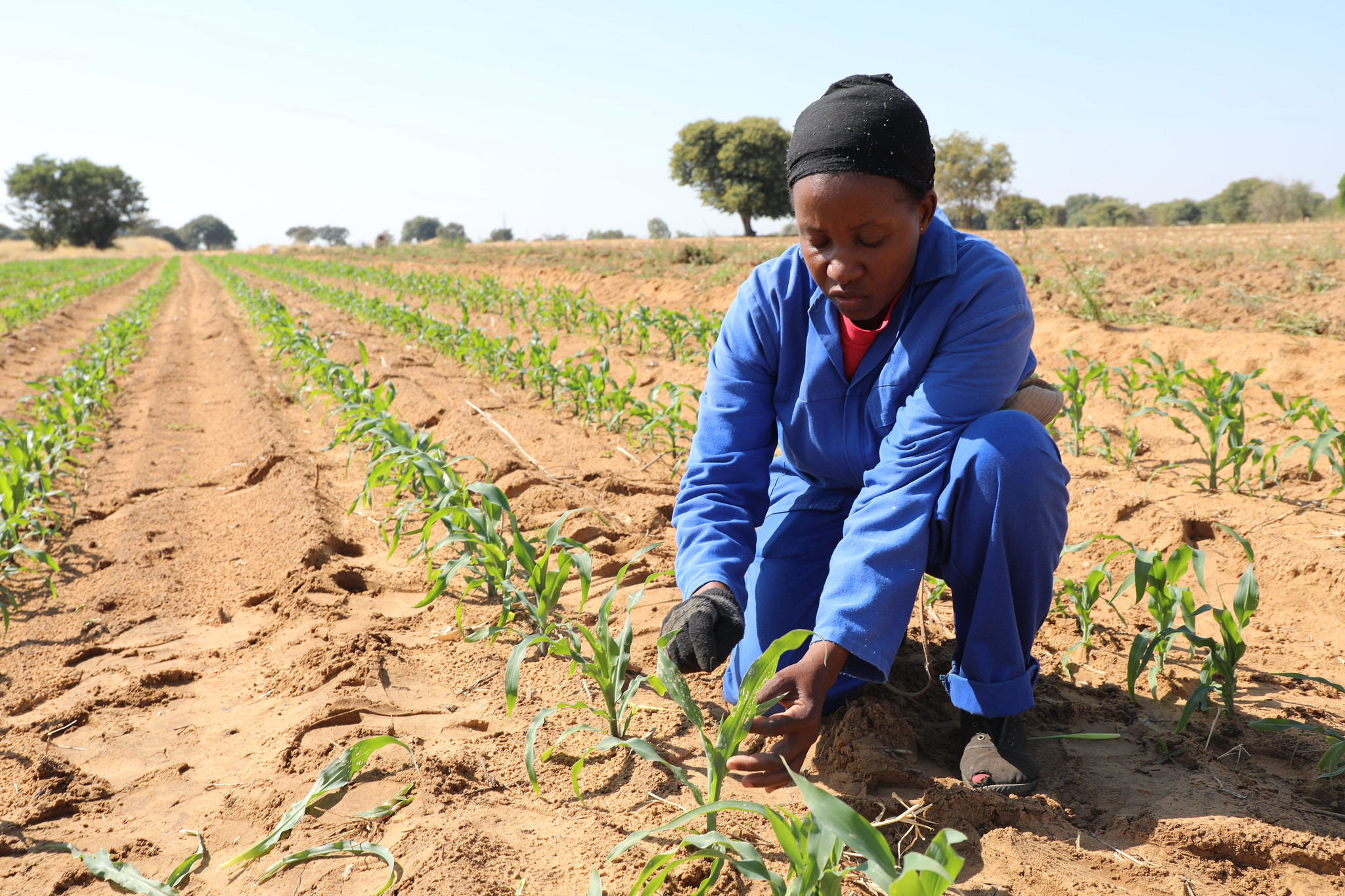
John Thaemert, who’s well into his 60s, has been farming the high plains near Sylvan Grove, Kansas all his life. The worst drought Thamert’s ever seen destroyed much of his wheat crop this year.
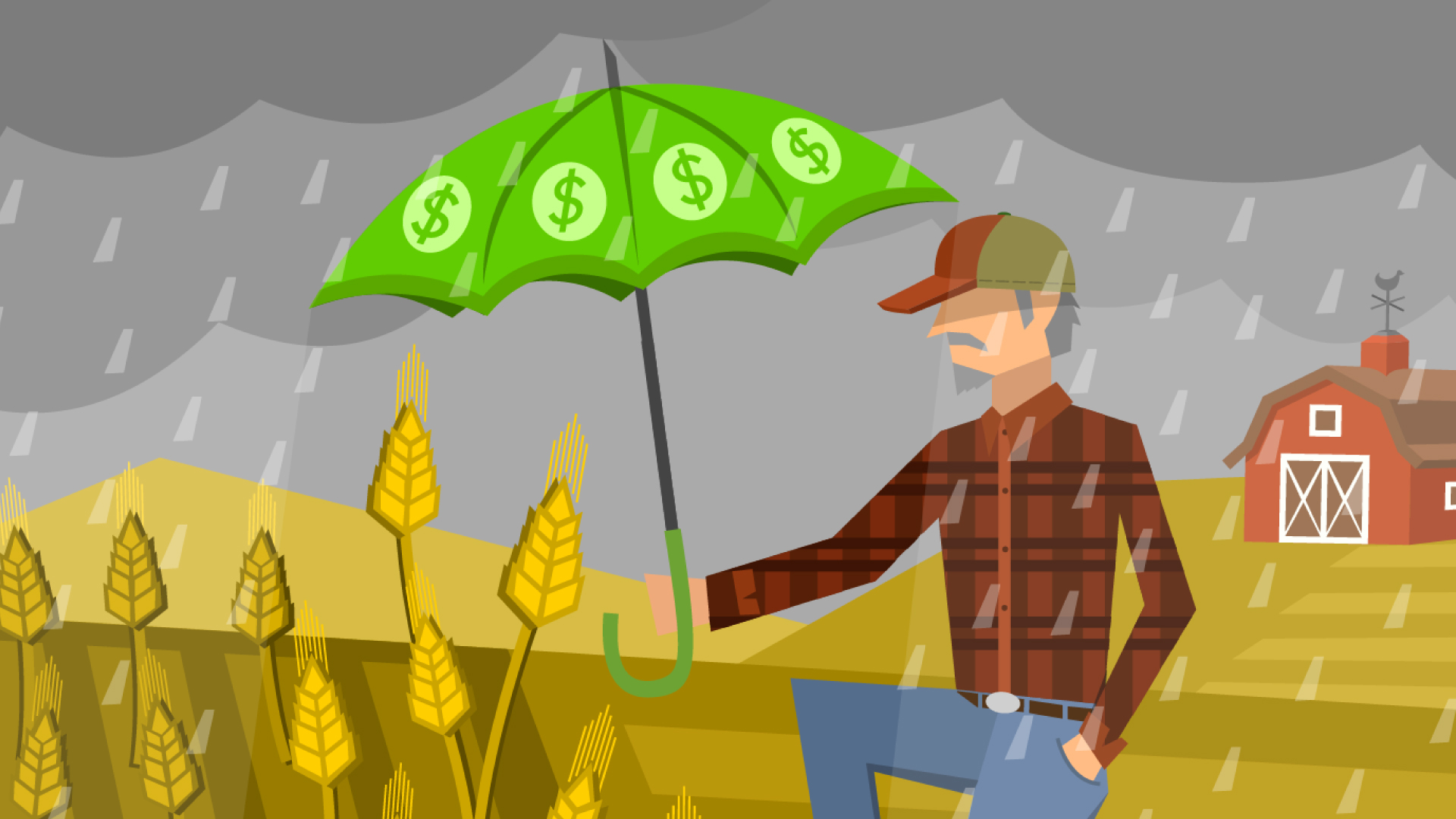
A huge crop failure like this could be a major setback to Thaemert’s third-generation farming operation, but, like most Kansas farmers, he carries federally subsidized crop insurance.
“Thank goodness for crop insurance,” he said while standing in his machine shed. “Crop insurance doesn’t make you money; it keeps you in business to plant again next year. It’s a beautiful thing.”
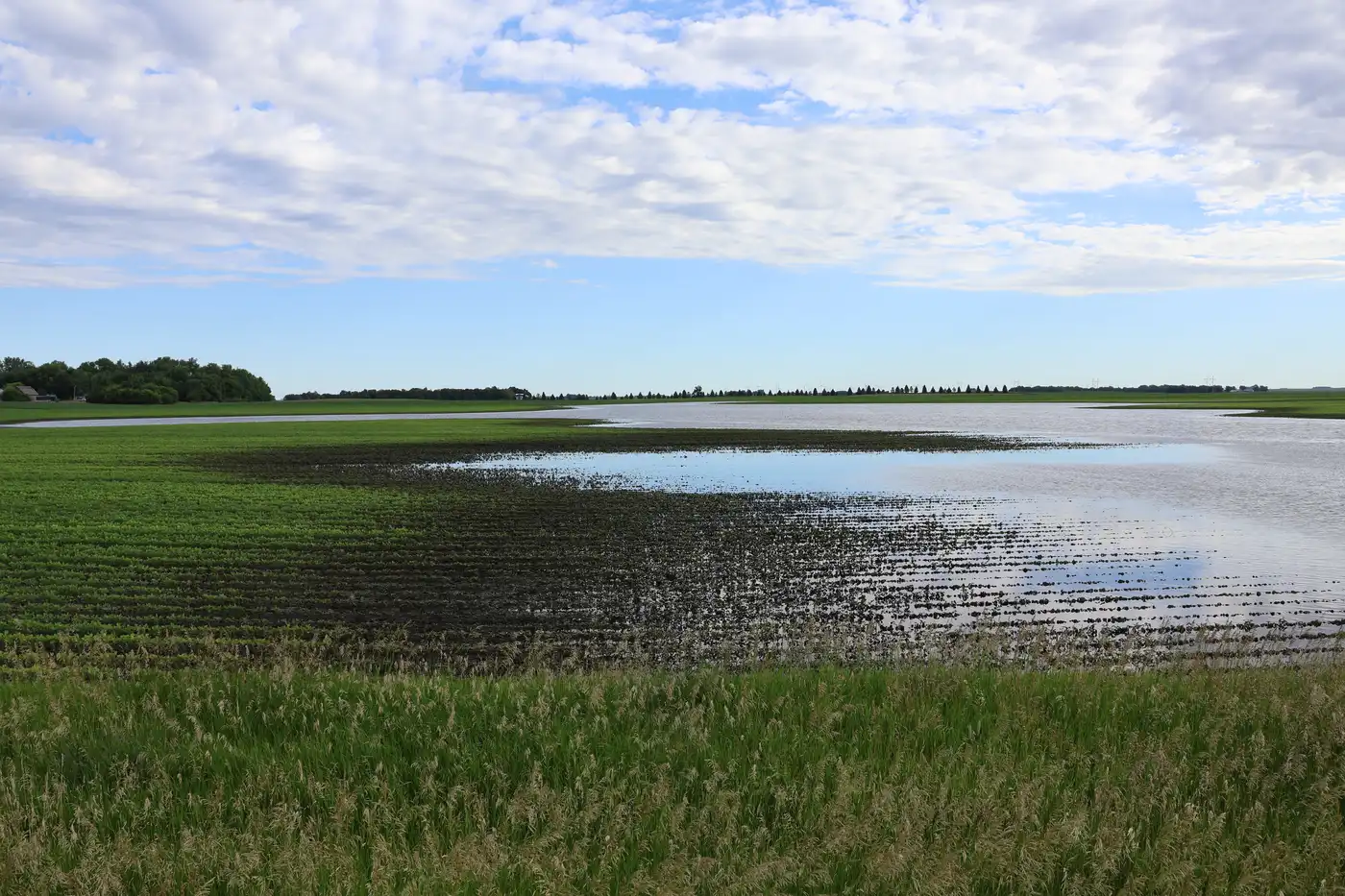
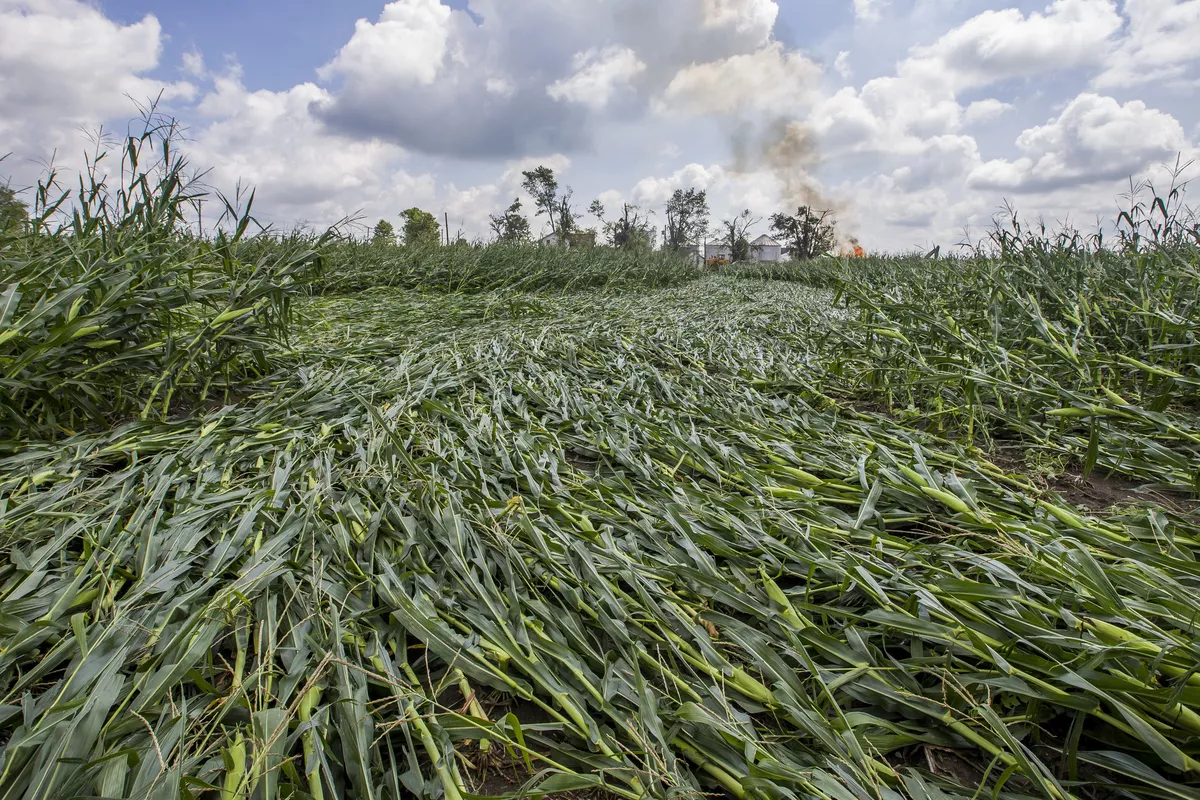
Farming has always been risky, and success depends on the weather, which is becoming more extreme due to climate. Crop insurance, a sweeping federal program paid for by taxpayers, softens the blow when drought, floods, hail or other natural disasters destroy crops, as well as if commodity prices drop sharply.
And that’s expensive. The government pays roughly 60 cents on the dollar for crop insurance premiums and then shells out hefty subsidies directly to the insurance companies involved to protect against catastrophic losses.
Taxpayers pony up about $9 billion in a typical year, according to Steve Morris, a director at the U.S. Government Accountability Office, and that number is rising fast.
“Part of that is just because of the scale and size of the program, you're having more producers sign up, et cetera. but I think the latest costs were, you know, upwards of $15 billion or so,” he said. “So, it's a very large program and it's getting bigger.”
Congress has expanded and sweetened subsidized crop insurance over the decades. The program now covers more than a hundred crops, and even livestock. Last year it insured 493 million acres.
Jennifer Ifft, an agricultural economist at Kansas State University, said the program keeps growing bigger and more important.
“Crop insurance is a foundation of the federal farm safety net,” said Ifft. “That’s language that is commonly used.”
Ifft said crop insurance guarantees farm income, and in turn, that means banks get paid, farm towns stay afloat, and U.S. farmers continue growing lots of food year after year.
With farm policy supporting a big chunk of the rural economy, it’s very popular among farm-state politicians. U.S. Sen. Roger Marshall, a Republican from Kansas, calls crop insurance his top priority as the program comes up for renewal this year within the farm bill.
“It provides a rapid response when disaster strikes and ensures farmers can weather the storm and plant next year’s crop,” Marshall said in a statement.
But others see a program that’s growing unwieldy. Last year crop insurance companies paid out more than $19 billion to cover losses, most of it caused by drought. That’s a record, and it’s driven by climate change.
In 2012, the last major drought year, roughly half of more than $17 billion in indemnity payments could be directly tied to climate change, according to Noah Diffenbaugh, a climate scientist at Stanford University, In a more typical year, he said, about 20% of the crop insurance payouts are tied to climate change. But moving forward it’s increasingly hard to call any year “normal.”
“The probability of extreme events, as extreme as we’ve experienced historically, and more extreme than we’ve experienced, those are changing,” Diffenbaugh said.
Yet crop insurance is not adapting to wild swings in the weather and intensifying natural disasters.
Anne Schechinger, a senior analyst at the Environmental Working Group, says that heavily subsidized crop insurance encourages risk-taking.
“Because right now, high-risk land is subsidized at the same rate as regular, perfectly productive farmland,” she said. “So, you're encouraging farmers to plant in these high-risk areas like floodplains that are going to result in more loss over time.”
Free market insurance companies, ones backed by investors and not taxpayers, aren’t willing to play those odds. A lot of them are pulling out of disaster-prone regions, even entire states. Getting homeowners insurance near a forest in California, for instance, is nearly impossible.
Meanwhile, subsidized crop insurance covers the crops no matter where they’re planted.
“So, it is totally opposite from what most insurance industries are doing right now with climate change,” said Schechinger. “Because the federal government is still choosing to fund the crop insurance program, even though there are huge losses, because of climate change, and taxpayers are still left to subsidize these losses.”
Schechinger said Congress should tailor crop insurance to reward greener farm practices — encourage farmers to retire marginal land, for instance, or use less fertilizer.
But federally subsidized insurance is bedrock farm policy, and many farm-state legislators want to use the current farm bill to keep crop insurance growing.
Source - https://nebraskapublicmedia.org