USA - Drought in Texas

15.12.2022 749 views

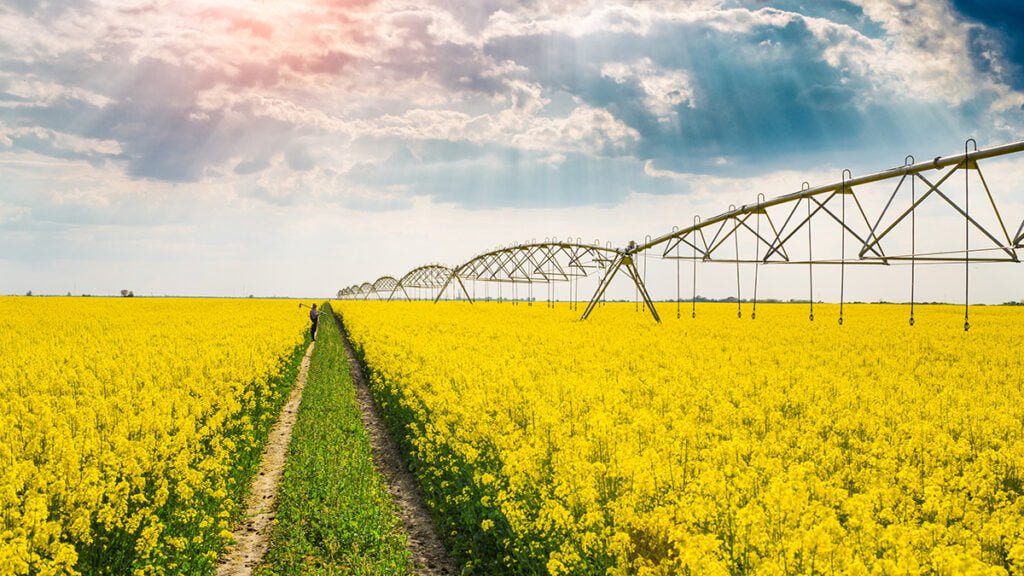
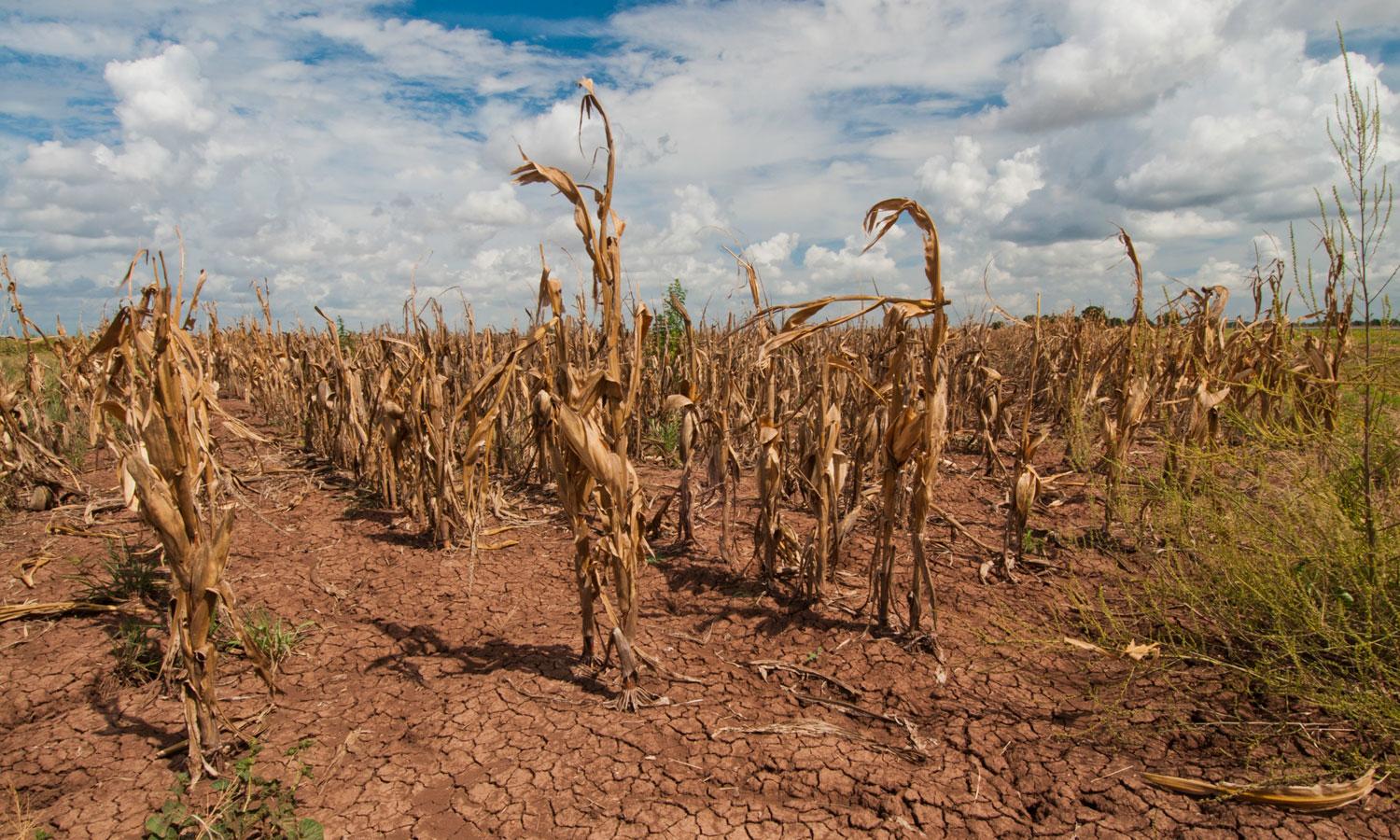
Texas is currently experiencing the worst drought since 2011, which cost the state’s economy about $7.62 billion in direct agricultural losses and nearly $17 billion in total losses.

In the November/December issue of Fiscal Notes, the Comptroller's office examines droughts and their toll on the Texas economy, most notably the state’s agricultural industries and municipalities.

“This present drought has spelled disaster for the state’s cotton industry,” Texas Comptroller Glenn Hegar said. “One estimate says cotton producers, which are concentrated in the Panhandle, will lose about $2.1 billion in total economic activity, not including the losses covered by crop insurance. Although crop insurance helps producers recoup revenue losses, it doesn’t help businesses and consumers further down the supply chain.”

Fiscal Notes also examines the good work of individuals at the local, regional and state levels who have been charged with planning for Texas’ future water needs. This fall, as part of his Good for Texas Tour: Water Edition, Hegar visited several organizations that are bellwethers of innovative water planning and management.

“With the population ballooning and businesses booming, it comes as no surprise that Texas will need a lot of water to stay afloat,” Hegar said. “But planning for Texas’ future water needs requires the dedication and resourcefulness of organizations and passionate individuals.”

Fiscal Notes furthers the Comptroller’s constitutional responsibility to monitor the state’s economy and estimate state government revenues. It has been published since 1975, featuring in-depth analysis concerning state finances and original research by subject-matter experts in the Comptroller’s office.

Source - https://comptroller.texas.gov

05.05.2026

Climate change: challenges and opportunities for crop insurance in Canada

The pandemic we have just come out of reminded us of the importance of maintaining robust food sovereignty in our country, provinces and cities. 

05.05.2026

Azerbaijan, Uzbekistan hold talks on agro-industrial collaboration

On May 5, Minister of Agriculture Majnun Mammadov met with a delegation from Uzbekistan led by Minister of Agriculture Ibrokhim Abdurakhmonov, who attended the 19th Azerbaijan International Agricultural Exhibition (Caspian Agro Week), to discuss bilateral cooperation in the agricultural sector, Trend reports.

05.05.2026

Philippines - P6.69-million crop damage logged in Albay due to Mayon unrest

Damage to crops from Mayon Volcano’s unrest has reached P6.69 million, with ashfall affecting several farmers in Albay, authorities said Tuesday.

05.05.2026

Cyprus - Farmers in Karpasia seek compensation for crop damage caused by wild donkeys

Losses reported in Rizokarpaso and nearby villages as donkey population grows and destroys farmland.

05.05.2026

USA - USDA Risk Management Agency Upgrades Rainfall Data Source

The U.S. Department of Agriculture’s (USDA) Risk Management Agency (RMA) is upgrading the source for rainfall data used in several Federal crop insurance programs, moving from the National Oceanic and Atmospheric Administration’s Climate Prediction Center (CPC) to the National Centers for Environmental Information (NCEI). 

05.05.2026

Asparagus losses in Norfolk County, Canada reach 98 percent after frost

Frost events in Canada recently caused crop damage in Norfolk County, with asparagus production heavily affected. At Dalton White Farms, losses reached up to 98 per cent of the field.

04.05.2026

Bulgaria's Kyustendil cherry crop severely affected by frost for second consecutive year

Frosts have caused critical damage to cherry orchards in the Kyustendil region of Bulgaria for the second consecutive spring, with producers reporting near-total crop losses. 

04.05.2026

Vietnam - MoF moves to expand farm insurance support and eligibility

The Ministry of Finance has proposed sharply increasing agricultural insurance premium subsidies to up to 95 per cent and widening the pool of eligible beneficiaries to better share risks with producers, stabilise farm incomes, and strengthen climate resilience.