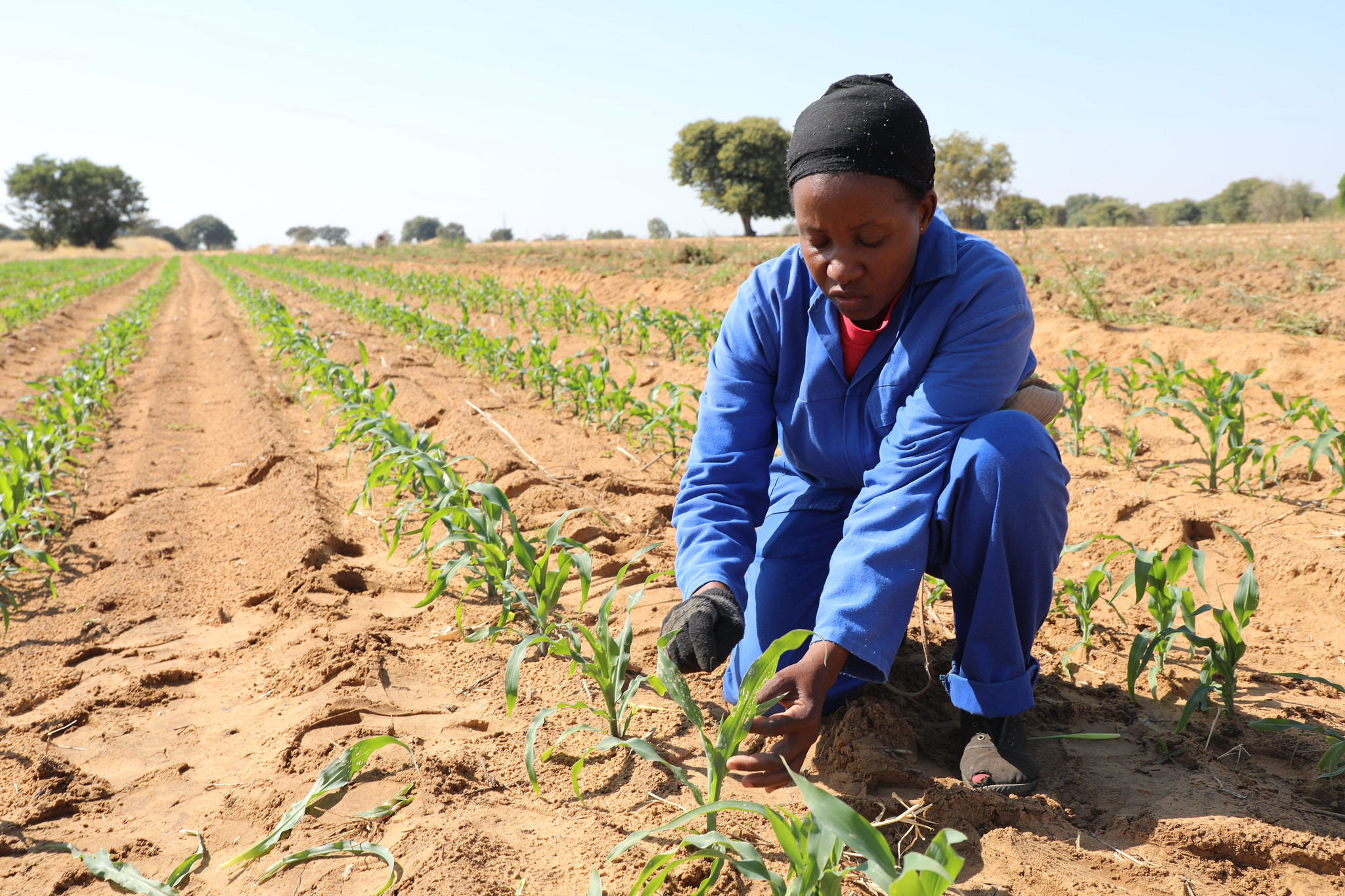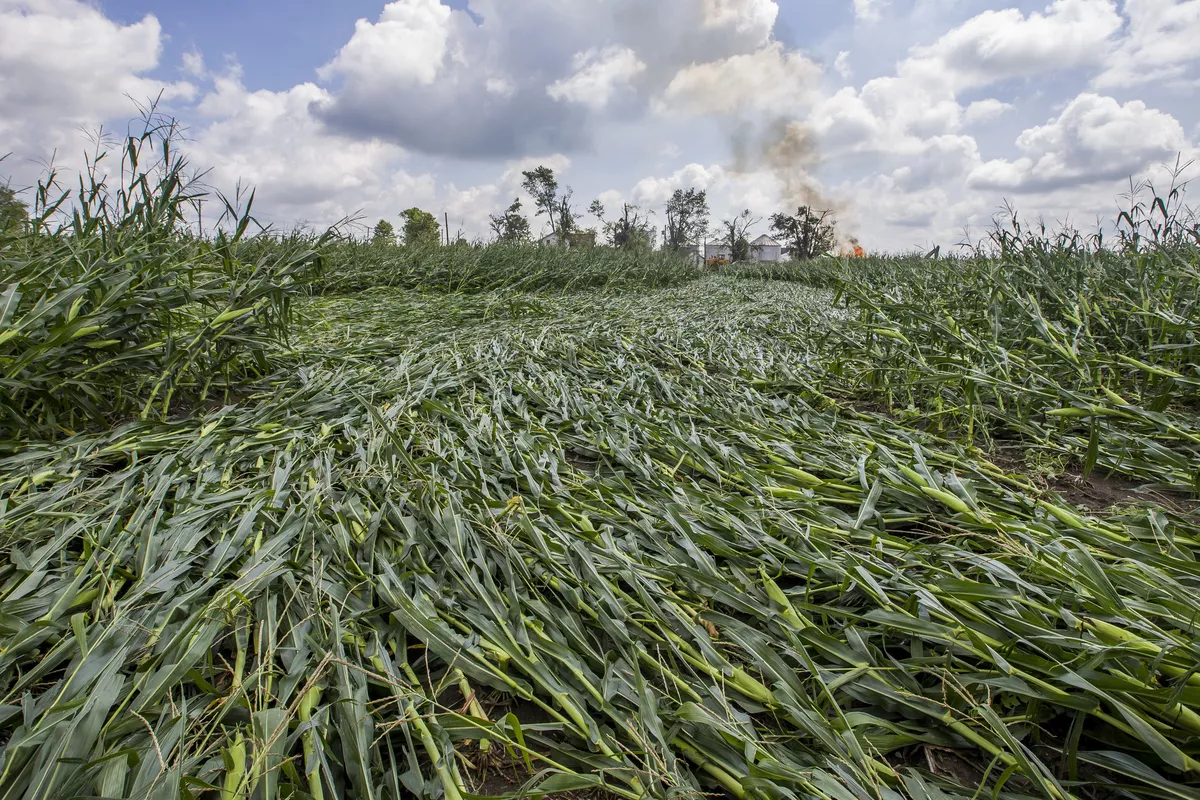
Drought continues to dominate a large part of North America from Mexico through the central United States to more than two-thirds of Canada’s Prairies. Some of this dryness has been ongoing since 2020 and this year’s dryness affected many crops, including spring wheat, canola, sunseed, corn, sorghum, soybeans, sugar beets and a host of other crops.
No further production losses are anticipated except possibly in Mexico, where the growing season usually lasts well into the autumn. An assessment of the year’s lost grain and oilseed production is still underway while new dryness problems have emerged for winter crops in Ukraine, Russia and Australia.
It seems like weather related problems have been occurring more frequently around the world in recent years and the trend is continuing. Argentina’s multi-year drought has been eased in the east, but the west is still quite dry and that is likely to get more attention in the next few weeks if dryness is going to persist in Russia, Ukraine and Australia.
The bulk of Argentina’s wheat and barley from central and eastern Buenos Aires into Entre Rios has experienced good weather in recent weeks and the crop likely will perform favorably as long as timely rain continues, but western crop areas are destined to see lower yields due to ongoing drought. Another smaller Argentina crop on top of this year’s smaller Canada and US Plains crops might be of some interest. That interest may get amplified many times if dryness prevails in Russia, Ukraine and Australia over the next few months.
Australia’s potential production problem will hinge on the month of October. Routinely occurring rainfall “must” fall during the month to support reproduction and the start of filling for wheat, barley and canola produced from central and southern parts of Western Australia to Victoria and central and southern New South Wales. Victoria and the far southwest portions of Australia have had the most consistently favorable soil moisture since planting last autumn and crops should be poised to perform well.
However, the area of beneficial moisture has been shrinking in recent weeks due to below-normal rainfall and warmer-than-usual temperatures. Central and northern New South Wales, like northern Western Australia and Queensland have experienced a notable decline in soil moisture in recent weeks stressing crops as they approached and moved into reproduction.
Most of the northern crops in Australia already are done reproducing and are filling and maturing under dry conditions — at least in unirrigated fields. Irrigated crops have performed well. The northern winter wheat and barley crops only represent a small part of the overall Australia winter crop and the bulk of production comes from areas farther to the south that will reproduce during October. Yield potentials may be drifting lower because of recent drier and warmer-than-usual conditions, but not all hope has been lost — at least not yet.
Most of the important wheat, barley and canola grown in southern Australia reproduces and fills during October and finishes filling and matures in November with harvesting most active in November and December. Some early harvesting will occur in October from the northern production areas. If the recent dry and warm-biased trend prevails in October yield potentials may steadily fall, but if there are timely bouts of rain and seasonable temperatures the crops will perform well enough to minimize production losses from the north.
The combination of El Niño and the positive phase of Indian Ocean Dipole (IOD) has induced the below-normal precipitation in recent weeks and most forecasters agree that these trends will prevail through October and into November. The positive IOD occurs when ocean surface water temperatures northwest of Australia are cooler than usual. In such a time as this, rainfall in southern Australia tends to be lighter than usual. El Niño makes eastern Australia dry. With both phenomena expected to prevail through the balance of reproduction yields are bound to come lower. That should not be interpreted as a disaster, but with world wheat production already down from some areas this year it makes the situation a little more interesting to say the least.
In addition to the Australia and Argentina situation, there is concern over Russia and Ukraine wheat, rye, barley and rapeseed planting conditions. The soil has become critically dry in the region and planting is well underway. Fieldwork likely will advance for a while longer, but seed is being put into the ground under very dry conditions. That is likely to delay germination and emergence, resulting in poor stands and a much higher vulnerability to winterkill during the cold season.
World Weather, Inc. does not expect much change in the dry situation in Russia or Ukraine through the first half of October. If there is going to be improvement it will have to occur late in the month. Before the world started warming up, winter crops would often turn dormant in late October across Ukraine and northern portions of the Russia’s Southern Region. In more recent years, the growing season has been extended enough to allow late-planted crops a chance to get late-season moisture and still have enough time for at least some favorable crop establishment.
A similar situation to this occurred in the two years that preceded the latest multi-year La Niña event and in both cases rain fell in late October and November with sufficient time for crops to establish before turning dormant. This year looks similar, but if cold air arrives too soon the heart of winter wheat production in Ukraine and Russia could be faced with a higher potential for winterkill because of poor crop establishment.
Obviously, with Canada and the United States still licking their wounds from lower small grain production in 2023 and concern about the Australia winter crops producing poorly, a struggling Russia and Ukraine crop eventually may bring some greater interest to small grain futures trade resulting in some possible higher prices.
Source - https://www.world-grain.com