USA - Fallbrook avocado crop takes a hit due to cold weather

12.01.2024 617 views

Harold Stewart, owner of Stewart Avocado Farms in Fallbrook, has expressed concern over the state of his avocado crop. The farm, which houses approximately 2,000 avocado trees, has seen a significant decrease in fruit production this year, which Stewart attributes to recent cold weather conditions.

Stewart's farm typically yields between 250,000 to 400,000 pounds of avocados annually. However, this year's production has dwindled to a mere 10,000 pounds. Despite the drastic drop in production, the farm's operational costs remain the same, putting a strain on Stewart's business.

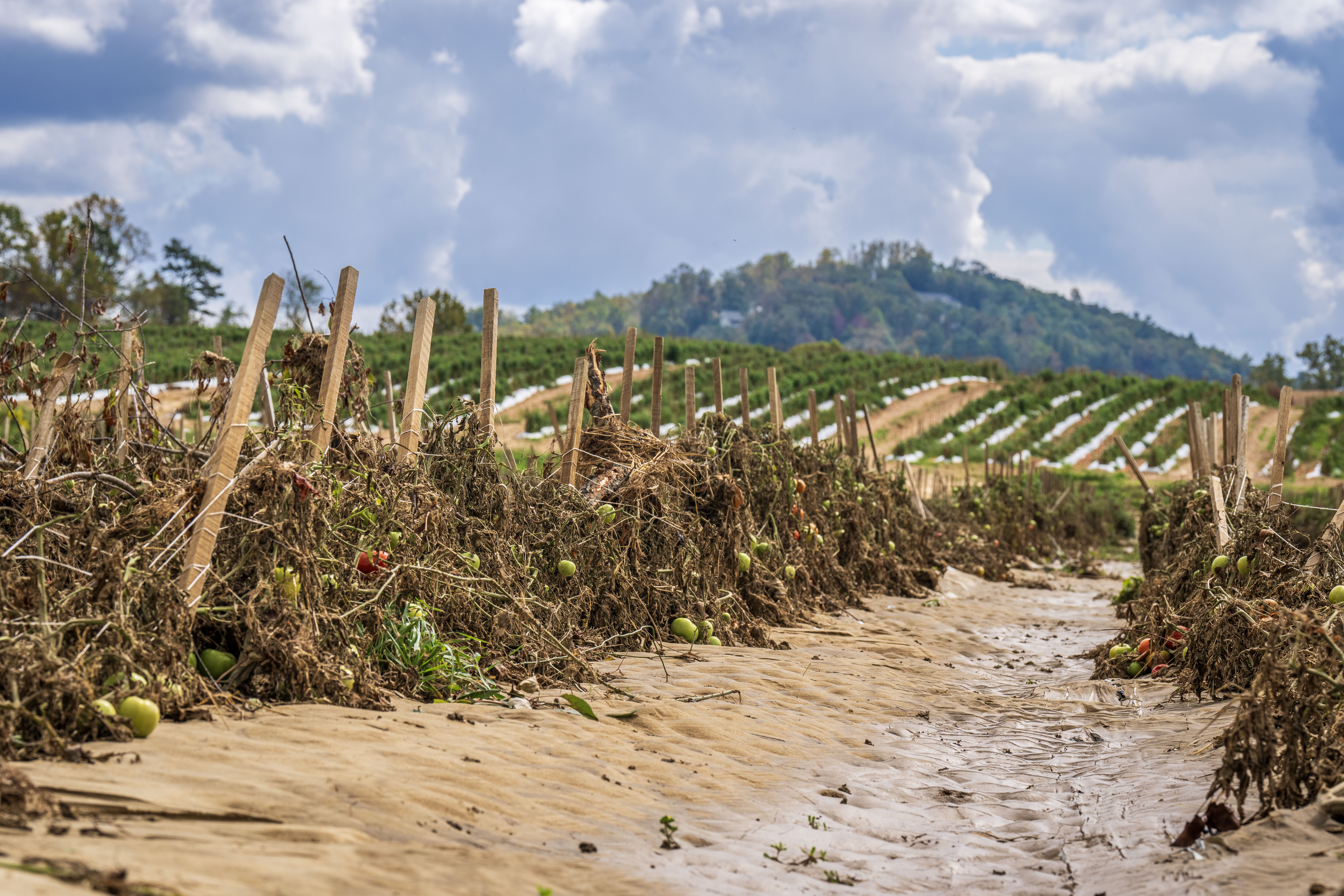
Stewart believes that weather plays a significant role in the profitability and sustainability of his farm. The frost advisory in effect over the past few mornings, with temperatures nearing freezing levels, has been a significant contributor to the poor crop yield.

The influx of imported avocados is another challenge for Stewart. These imports flood the market at a time when local farmers like Stewart should be selling their produce, further impacting their bottom line.

San Luis Obispo County farmers worried about freeze warning
Elsewhere in California, San Luis Obispo County received a freeze warning from the National Weather Service. Temperatures in some inland areas might be dropping below 30 degrees. This has led local farmers to take necessary precautions, as frost and freeze conditions could potentially devastate crops and other delicate vegetation.

At City Farm SLO, the planting schedule is strategically designed around the seasons. Crops like tomatoes, zucchinis, and cucumbers are only planted in the spring to avoid the winter frost. "Once a plant is killed by frost, it's the end of that plant for the season. We then replant in late winter," said Lovell.

In addition to carefully timing their planting schedules, farmers employ other protective measures such as using insulated greenhouses and covering plants with blankets at night. "Sometimes mother nature plays tricks with you, but you've got to weather the storm," Meisler commented.

Source - https://www.freshplaza.com

02.09.2026

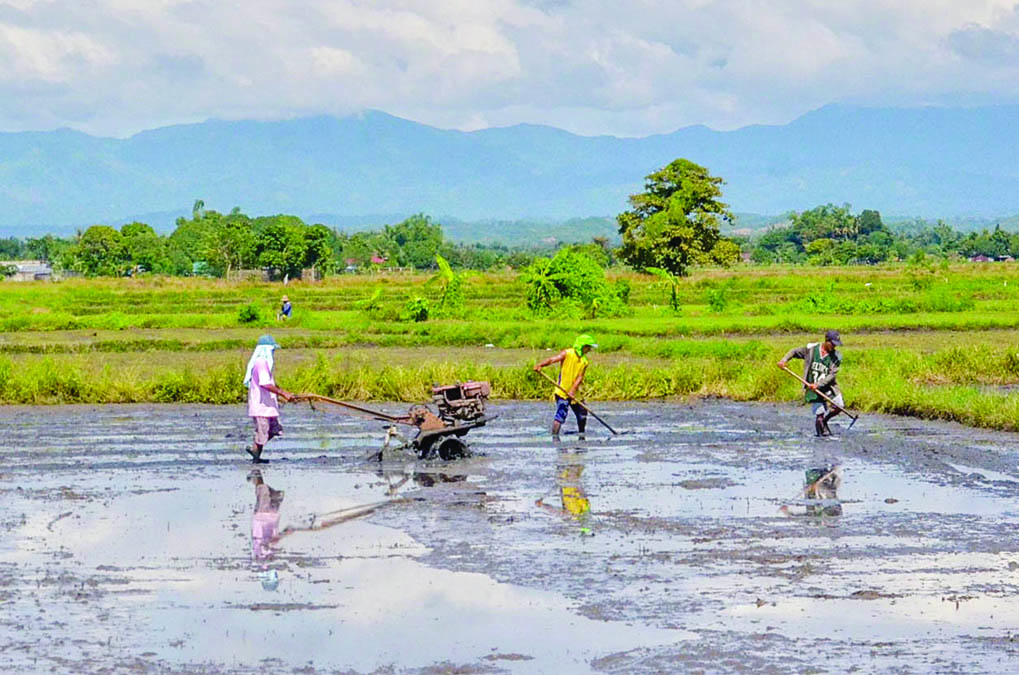
Philippines - Bayambang declares state of calamity over P31-M agricultural losses

The municipal council of Bayambang has placed the town under a state of calamity after Tropical Storms “Luis” and “Maymay” and the enhanced southwest monsoon, or habagat, caused more than P31 million in agricultural losses.

02.09.2026

USA - Lynndyl farmers assess crop losses after 100 mph winds and hail

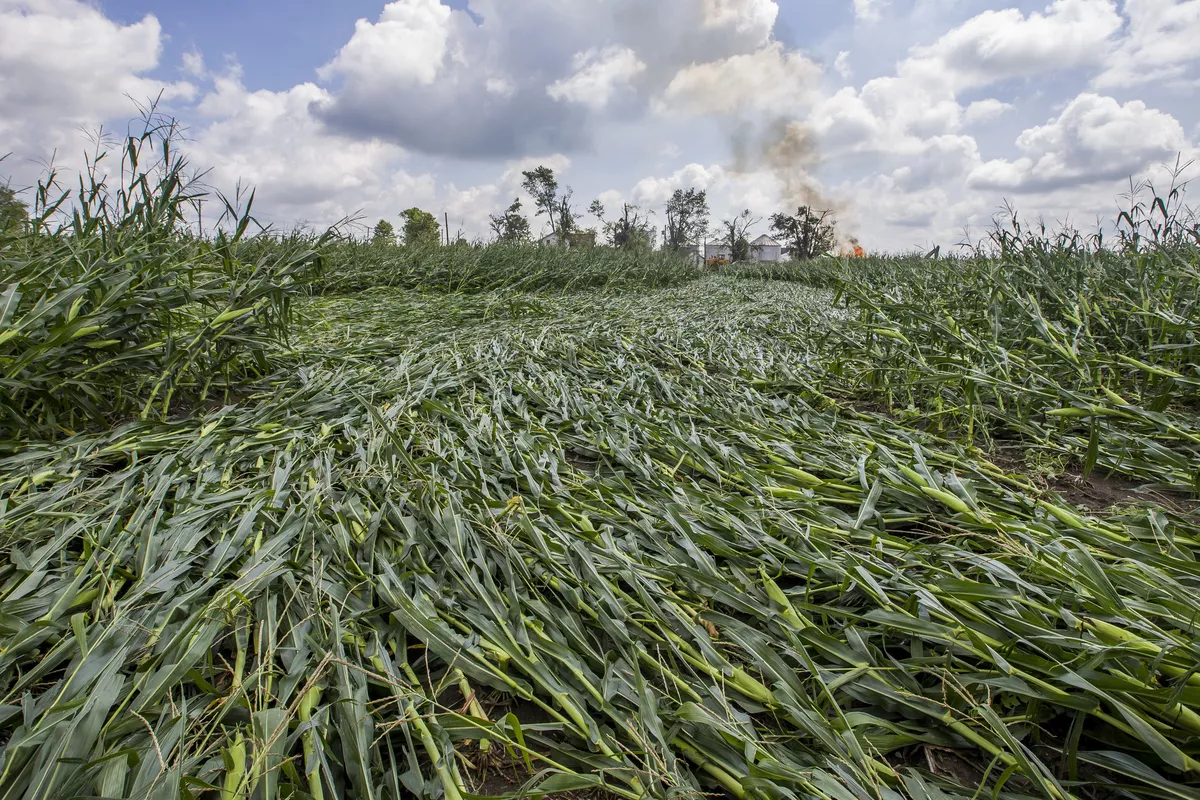
Farmers in and around Lynndyl are beginning to assess severe losses after a powerful weekend storm ripped through fields with destructive winds and hail just as some crops were nearing harvest.

02.09.2026

USA - New Insurance for Breeding Heifers

New LRP Coverage Aims to Reduce the Risk of Retaining Heifers for Breeding.

02.09.2026

Corn's $6 Surprise Could Change the Profit Math for U.S. Farmers

Corn may already be worth more than the board suggests as farm payments and incentives add about 52¢ per bushel to producer revenue.

02.09.2026

Philippines - Iloilo turns over P10M for farm, fishery insurance

The Iloilo provincial government has turned over P10 million to the state-owned Philippine Crop Insurance Corp. (PCIC) to expand insurance protection for farmers and fisherfolk vulnerable to losses from El Niño, La Niña, typhoons, pest infestations and other calamities.

02.09.2026

India - AP sees 1,263% rise in non-loanee crop insurance

The State witnessed a remarkable 1,263% jump in non-loanee farmer registrations, with their participation rising from 2 lakh in the previous Kharif season to 25.26 lakh farmers this year.

01.09.2026

South Africa - Grain SA calls for affordable crop insurance as dry weather threatens Swartland wheat

Severe rainfall shortages threatening the Swartland wheat crop have highlighted the need for government support to make crop insurance affordable for dryland producers.

01.09.2026

USA - Florida farms face nation’s highest disaster loss rate

Natural disasters destroy billions of dollars in U.S. agricultural production each year. From drought and wildfires in the West to hail in the Midwest and hurricanes in the Southeast, farms lose an average of $5.1 billion in crops and livestock annually, according to the Federal Emergency Management Agency.