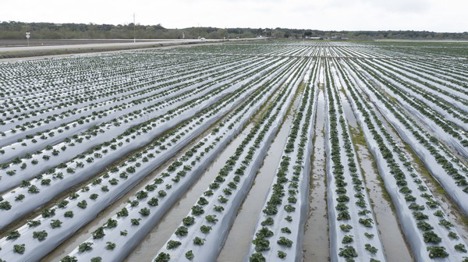
The floodwaters might be gone, but farmers are now focusing on crop damage.
Several days of torrential rain nearly two weeks ago left many fields underwater.
These fields looked more like ponds in recent weeks.
Now, as the water disappears, questions are appearing about what this year’s harvest could look like.
"It could be a tough harvest, very well, could be," said Scott Fritz, a 5th-generation farmer.
After days of relentless rain dumped inches of water across Pulaski County, farmers are now left to assess how their crops are managing.
But one farmer WSBT talked with said it was still too wet to check.
"I've got my fingers crossed to what we’ll actually see in the corn cause you actually drown out corn, tall corn like this this time of the year not very often, but it can. So all that just kind of hurts the yields, and prices aren't great, so we're not excited about losing yield at all," said Fritz.
According to agriculture experts, the biggest concern isn’t what happened in the storm. It's about what happens next.
"In the soil there's air pockets along with the moisture, and that rain, that flooding, that water fills those air pockets and limits the ability of those roots to get oxygen and nutrients," said Marty Huseman, Purdue Extension ag and natural resource educator.
The water could force farmers to adjust their harvest plan.
"They may not harvest the whole fields like they did at least the last two or three previous years were sometimes you pulled into the field and harvested the whole thing. Now you might do a little bit of damage control, looking for things that are more suspect and are at risk cause you just don't want to lose those ears that have already formed," said Huseman.
On top of flooding, some farmers had crops impacted by the winds as well, causing them to slant.
But there’s still hope as the crops can recover and still be harvested.
"It's a challenge weather like this is a challenge. It's stressful to go through a couple weeks like this. You just got your fingers crossed and hope things come out of it, but you can't you just can't have 12 inches and not have bad things happen," said Fritz.
Experts say it’s too early to know the full extent of the losses.
Source - https://wsbt.com