USA - Federal aid hoped to rescue Kern River Valley park from hurricane damage aftermath

23.11.2023 654 views

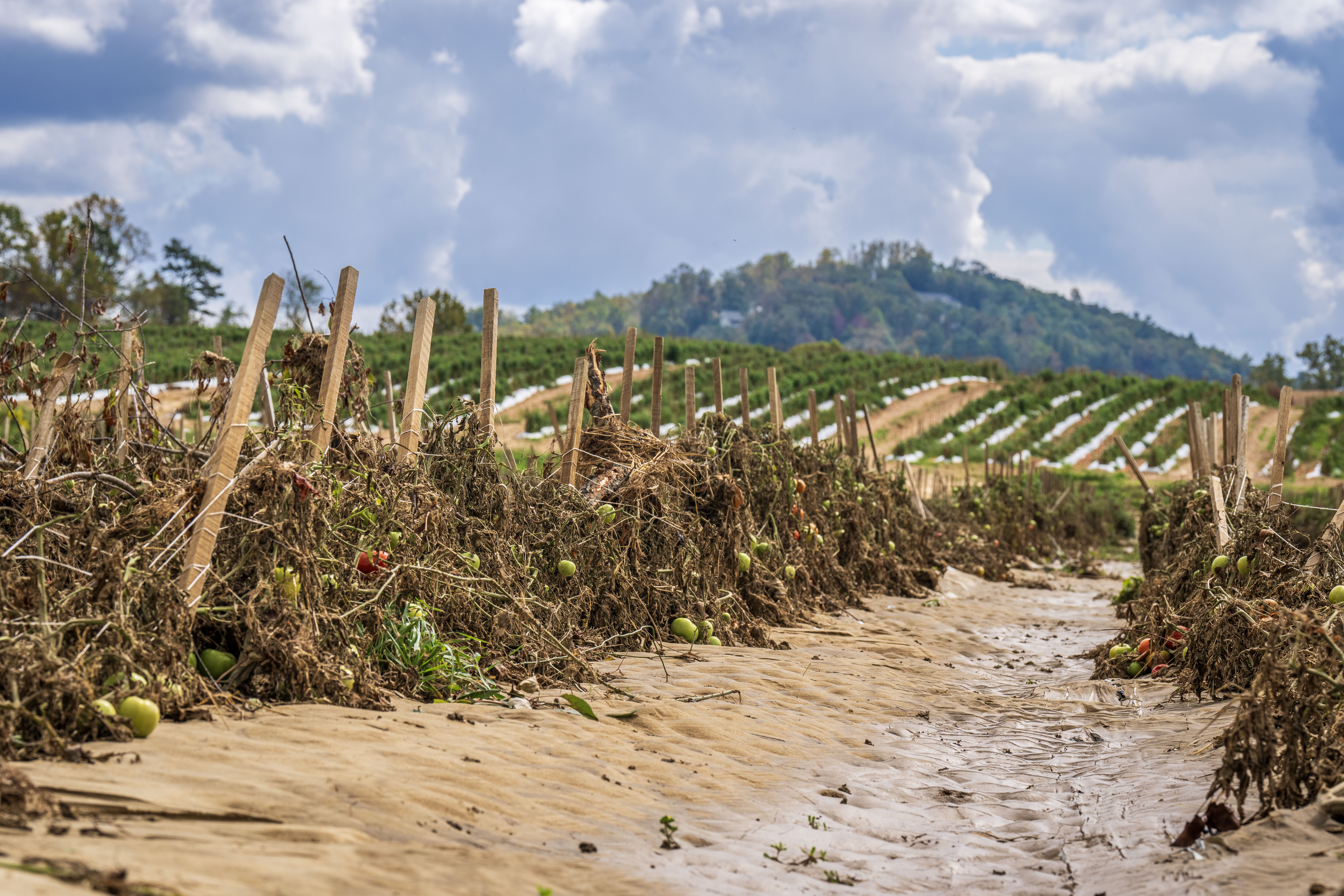
With Kern County being one of the many places in California that Governor Newsom proclaimed a state of emergency, federal assistance will unlock funding for recovery in areas that were affected by Hurricane Hilary, in this case, a park in the Kern River Valley.

“We had damage through some of the residential areas, and some of the campgrounds that were damaged, and primarily riverside park in Kernville had significant damage, a lot of the park was washed out,” said Kern River Conservancy President, Gary Ananian.

He said Kern County Public Works and the Parks Department were working on repairing the park from the damage it saw from storms back in March.

But it only took two weeks of repairing until Tropical Storm Hilary struck.

“A lot of the work that contractors had done with Public Works and the Parks started going away. They had to redo all that about a week later. Once the water receded from the storm, they came back and had to repair everything they had just fixed,” said Ananian.

Now that President Biden approved the disaster declaration for FEMA to send federal aid to the areas affected, Ananian hopes that money will be put into recovering and redesigning the park, and if not, future storms will wash it away.

“Definitely this money should go to Public Works and the Parks Department, you know, Riverside Park was hammered. And if you live in Kern County, you’ve most likely visited Kernville in the summertime, and you saw the damage the park has sustained, and you saw how high the river was. The design and the work they’ve done was poorly done, so I can guarantee you that it’s all getting washed out again when we get a spring snowmelt in four to five months from now,” Ananian added.

He said people in Kern River Valley applied for FEMA funding for the storms in March but never got approved.

Source - https://bakersfieldnow.com

02.09.2026

Philippines - Bayambang declares state of calamity over P31-M agricultural losses

The municipal council of Bayambang has placed the town under a state of calamity after Tropical Storms “Luis” and “Maymay” and the enhanced southwest monsoon, or habagat, caused more than P31 million in agricultural losses.

02.09.2026

USA - Lynndyl farmers assess crop losses after 100 mph winds and hail

Farmers in and around Lynndyl are beginning to assess severe losses after a powerful weekend storm ripped through fields with destructive winds and hail just as some crops were nearing harvest.

02.09.2026

USA - New Insurance for Breeding Heifers

New LRP Coverage Aims to Reduce the Risk of Retaining Heifers for Breeding.

02.09.2026

Corn's $6 Surprise Could Change the Profit Math for U.S. Farmers

Corn may already be worth more than the board suggests as farm payments and incentives add about 52¢ per bushel to producer revenue.

02.09.2026

Philippines - Iloilo turns over P10M for farm, fishery insurance

The Iloilo provincial government has turned over P10 million to the state-owned Philippine Crop Insurance Corp. (PCIC) to expand insurance protection for farmers and fisherfolk vulnerable to losses from El Niño, La Niña, typhoons, pest infestations and other calamities.

02.09.2026

India - AP sees 1,263% rise in non-loanee crop insurance

The State witnessed a remarkable 1,263% jump in non-loanee farmer registrations, with their participation rising from 2 lakh in the previous Kharif season to 25.26 lakh farmers this year.

01.09.2026

South Africa - Grain SA calls for affordable crop insurance as dry weather threatens Swartland wheat

Severe rainfall shortages threatening the Swartland wheat crop have highlighted the need for government support to make crop insurance affordable for dryland producers.

01.09.2026

USA - Florida farms face nation’s highest disaster loss rate

Natural disasters destroy billions of dollars in U.S. agricultural production each year. From drought and wildfires in the West to hail in the Midwest and hurricanes in the Southeast, farms lose an average of $5.1 billion in crops and livestock annually, according to the Federal Emergency Management Agency.