Farmers and industry leaders are hoping for federal aid and insurance policy changes to relieve multibillion-dollar losses.
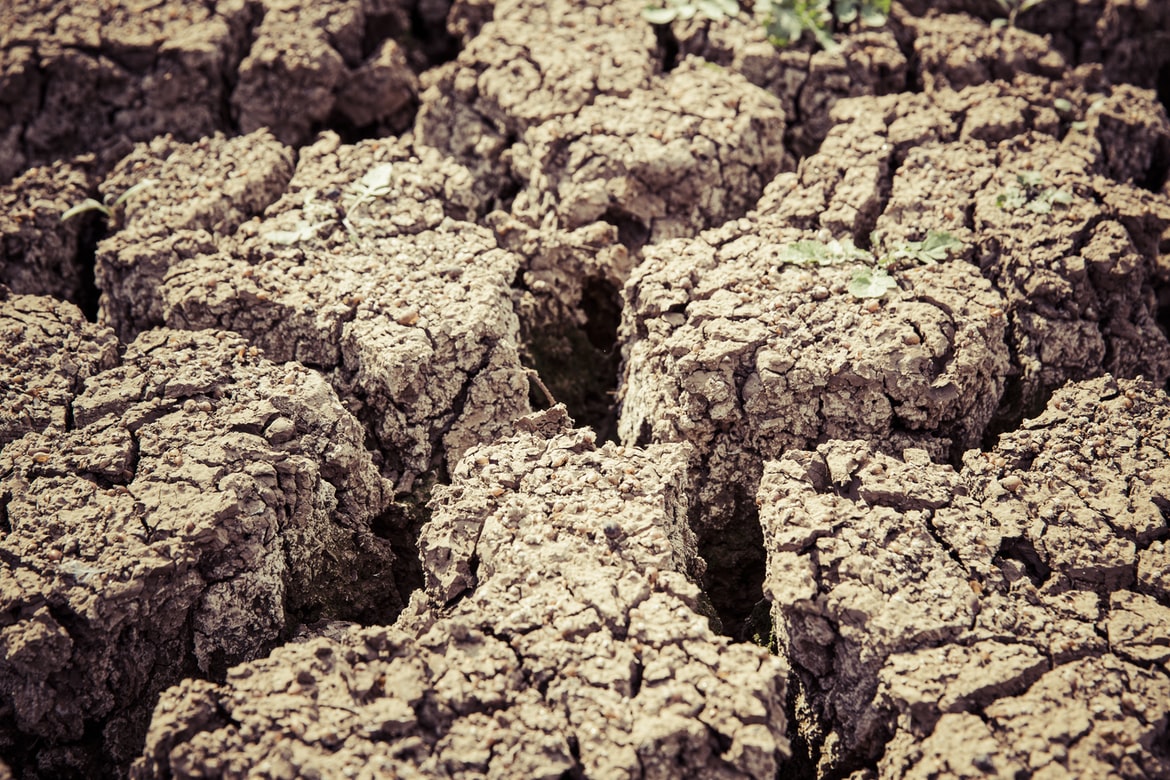
Florida’s worst drought in two decades has parched crops and spiked watering costs. Wildfires have burned more than 135,000 acres statewide. And a winter storm earlier this year slammed the Sunshine State with below-freezing temperatures, wiping out entire crops and leaving plants with lasting damage.
Less than six months into the year, Florida’s agriculture industry is searching for relief after severe weather events have caused billions of dollars in damages and created an uncertain future for farmers.
The Sunshine State is an agriculture powerhouse, one of the nation’s top producers for crops like oranges, strawberries, sugarcane and sweet corn. Yet even before this year’s weather events, farmers were hurting: Rising input costs, sprawling new land development and severe weather damage from years past have pushed generational growers from one of the state’s foundational industries. This year’s natural disasters, particularly the freezes, have only intensified the industry’s troubles.
“I mean, it’s a disaster. There’s no doubt about that. It’s an economic disaster to agriculture,” said Jeb Smith, the president of the Florida Farm Bureau Federation.
Brittany Lee, a blueberry farmer in Alachua County in the northern part of the state, tried to save her plants from a winter storm that lasted from late January to early February. Temperatures dipped below freezing for hours at a time, low enough that Lee knew her crops would suffer. But some growers like her aren’t eligible for insurance unless they attempt to protect from a freeze.
“You’re out there protecting it when you know it’s gonna do damage,” she said. “And a lot of people did more damage than had they not protected. Because the ice was so heavy, weighed so much, it broke plants.”
She estimates that 40 to 45 percent of her crop was lost this year from freezes. Yet her insurance policy only protects 60 percent, which means Lee doesn’t expect to receive any reimbursement.
Winter storms weren’t all that Lee’s farm had to battle this year. Blueberries shrunk in size from the drought, she said, and the farm also had to spend time protecting the area from a large wildfire that burned less than two miles away.
In February, the state’s agriculture department released a preliminary estimate that winter storms Ezra and Gianna caused more than $3.1 billion in agricultural damages. Strawberries and blueberries suffered the most significant damage, according to the report, with production losses estimated to be 80 and 90 percent, respectively.
Severe weather can harm both the quantity and quality of a crop, Smith said, and some products could become more expensive. The impacts also aren’t limited to this year’s harvest.
Perennial crops like sugarcane and citrus that are stressed from drought or the cold may not show damages until next year. Producers who lost the majority of their plants to the freezes will also have to replant, meaning shortages may not be resolved by next year’s harvest.
The Florida Department of Agriculture and Consumer Services hasn’t released estimates on how badly the drought and wildfires have harmed the state’s industry. Yet Smith has heard anecdotes that wildfires have driven down pulpwood prices, and that some growers who don’t have readily available irrigation won’t be able to plant crops due to the drought.
Farmers nationwide are also facing higher diesel and fertilizer costs this year from the Iran war, which makes severe weather-related losses even more dire.
Some growers will be able to salvage what they can and survive until next year, Smith said. But others who are already struggling financially may choose to sell their land and leave farming for good.
“Younger producers are desperate, especially young farmers in this arena,” he said. “They have no reserves. It’s very, very serious.”
After Winter Storm Gianna, the U.S. Department of Agriculture issued a natural disaster declaration and offered emergency loans to parts of Florida. The loans can be used in various ways by farmers, including to replace property, pay living expenses or cover future production costs.
Yet those loans have to be repaid eventually, which has some Florida agriculture industry leaders hoping for additional federal aid.
Florida Agriculture Commissioner Wilton Simpson said the department wants the federal government to issue block grants that can be used to reimburse farmers for freeze-related losses.
“We need the federal government really to step up in a big way for our Florida farmers, and I’m hoping they’ll do that in the coming weeks,” Simpson said in an interview.
Disaster relief often comes with a multiyear reimbursement timeline, Simpson added, though he hopes the federal government will expedite aid and allow Florida to distribute grants by the end of the year.
Florida GOP Rep. Scott Franklin, the vice chair of the House Agriculture Appropriations Subcommittee, said in a statement that he’s working with others in the Florida delegation to “build support for meaningful disaster assistance in the form of block grants.”
“At the same time, I’m also working hard to expand crop insurance, like a temperature-based policy growers can buy to help cushion losses after freezes,” he said.
Franklin’s office was unable to specify what form the block grants would come in, and how much they would amount to.
Farmers battered by crop losses are still having to pour money into their operations in preparation for future harvests — spending thousands for equipment, fertilizer, fuel, chemicals, labor and more. Federal aid would offer relief to agriculture producers trying to pay bankers and suppliers, said Mike Joyner, the president of the Florida Fruit and Vegetable Association.
“That money is never made or meant to make us whole, make our growers whole,” Joyner said. “It’s just to kind of offset some of those losses.”
Meanwhile, Florida farmers are still waiting to see the extent of this year’s damages.
Dale Aldridge, who manages a citrus farm in Monticello, has been checking his groves every day for fallen fruit. Excessive fruit dropping at this point in the season could be a bad sign that the trees are stressed from drought or cold weather, he said, and that some of the harvest could be lost. Aldridge also hasn’t been able to do prescribed burns on the farm’s pine timber crops due to the severity of wildfires this year.
“That means next year, when we get to have one, if we do, the fire is going to be hotter, because we have more underbrush to burn next year than we would if we got to burn this year,” he said. “So, you know, it stacks up on you.”
Florida’s citrus industry, which has been in a steep decline for years, is estimated to have lost $674 million from the winter storms, according to the FDACS report. Aldridge’s farm has already lost lemon trees from the freeze, but he said he won’t know the extent of the damage until harvest season starts later this year.
By then, hurricane season will have likely come and gone. Farmers and industry leaders say they could use the rain — but not the destruction that comes with it.
“There is no bigger gamble than farming,” Aldridge said. “Because you’re at Mother Nature’s beck and call the whole time. Nothing we can do about it.”
Source - https://www.politico.com