nvasive feral hogs in Georgia destroy natural habitats, damage crops, and threaten water quality. With few natural predators and high reproductive rates, feral swine are rapidly expanding their range across the U.S. Now that damages to crops have hit $150 million in Georgia, the state is taking the feral hog problem seriously.
On February 4, 2026, the Georgia House passed House Bill 946. If passed in the Senate and signed by the governor, the law will ease restrictions on hunting and trapping, including allowing locating the hogs with the use of drones.
What Does House Bill 946 Do?
HB 946 passed in the Georgia House of Representatives nearly unanimously, with a vote of 163-1. It is now pending in the Senate and, given its broad support, appears likely to become law. HB 946 allows trapping and killing of feral hogs on private land without a hunting or trapping license.
It also allows hunting feral hogs from moving vehicles. Finally, the bill allows both residents and non-residents to track feral hogs using drones. However, drones can only be used to locate hogs, not to kill them. Hogs can be killed on private land as long as the hunter has permission from the landowner.
How Did Feral Hogs Arrive in Georgia?
There were no pigs in North or South America until European settlers brought them over in the 1500s. Hogs originated in Southeast Asia and expanded into Europe, Asia, and North Africa. The first pigs in North America are believed to have been introduced by the Spanish explorer, Hernando de Soto, to what is now Tampa Bay, Florida, in 1539. Some of De Soto’s domestic pigs likely escaped as he explored Florida and continued up through Georgia.
In the early 1900s, wealthy sportsmen brought Eurasian wild boar to the U.S. for hunting. Eurasian wild boars bred with escaped domestic pigs that were already roaming the continent. Before long, pig populations exploded across the southeast, causing massive damage to agriculture and ecosystems. Today’s feral hogs (Sus scrofa) come from escaped domesticated hogs, Eurasian wild boars, and hybrids of the two.
How Feral Hogs Spread Across the U.S.
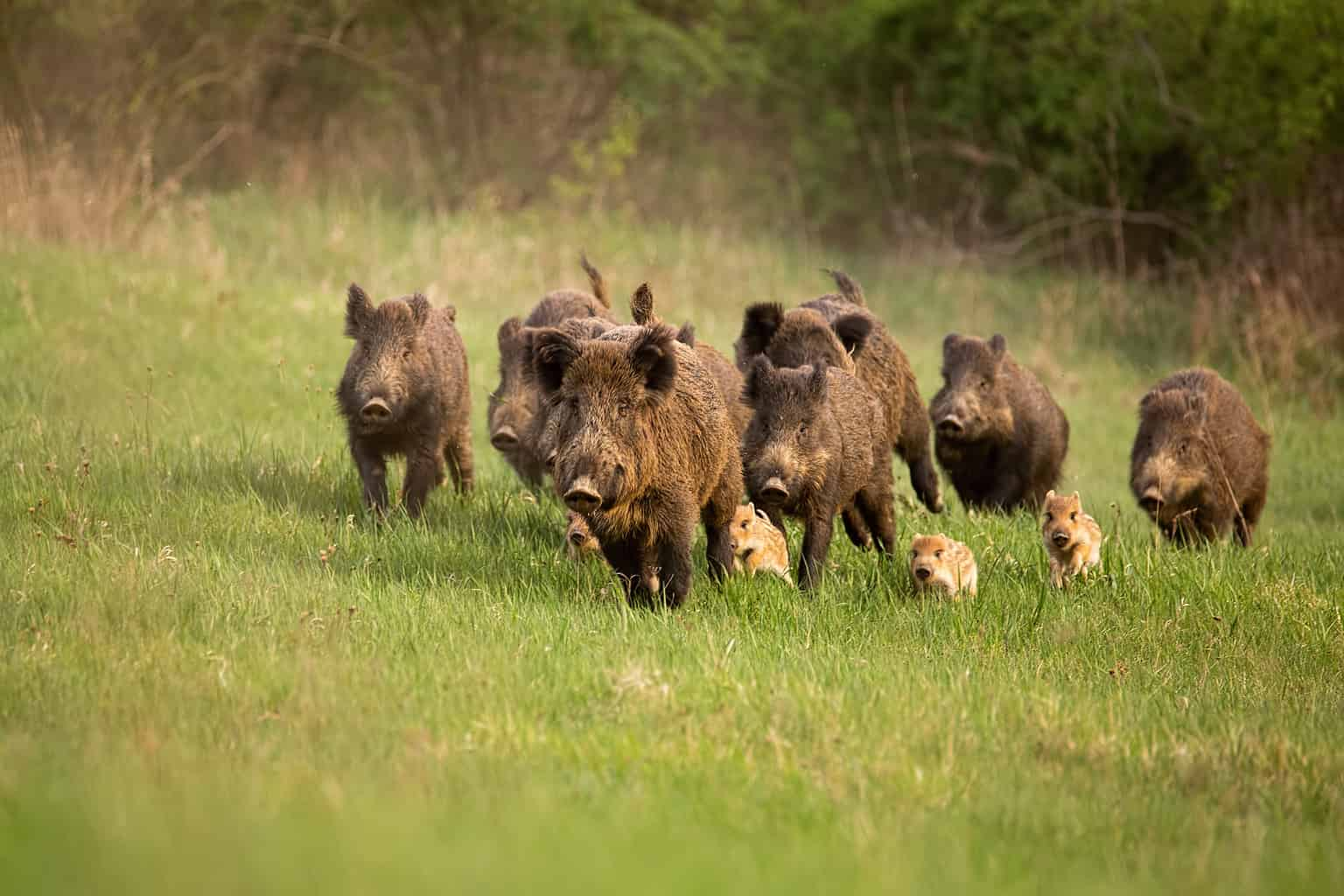
Feral hogs have been spotted in 45 states, and as far north as Oregon. They are well-adapted to a variety of habitats, from forests to grasslands, wetlands, and even farmlands. Feral hogs are 3 to 6 feet long and typically weigh between 150 and 200 pounds. The hogs live in small family groups that sometimes join with other groups to form clusters, which can grow to include up to 100 individuals.
Female hogs give birth twice a year, producing about 4 to 12 piglets each time. Their prolific reproduction, combined with their adaptability to different environments and few natural predators, means that feral hog populations can explode in a short amount of time.
Economic and Ecological Impacts of Feral Hogs
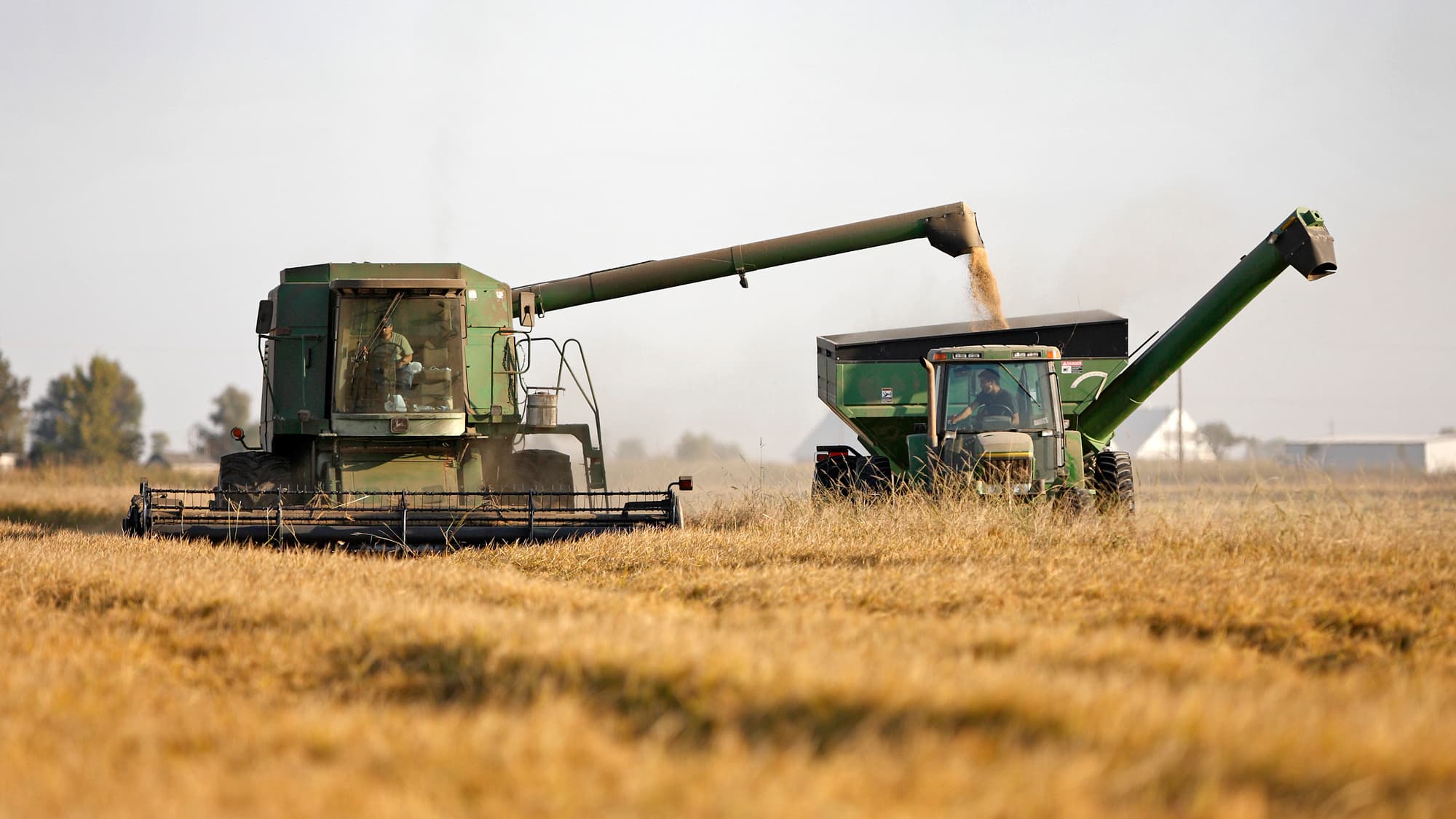
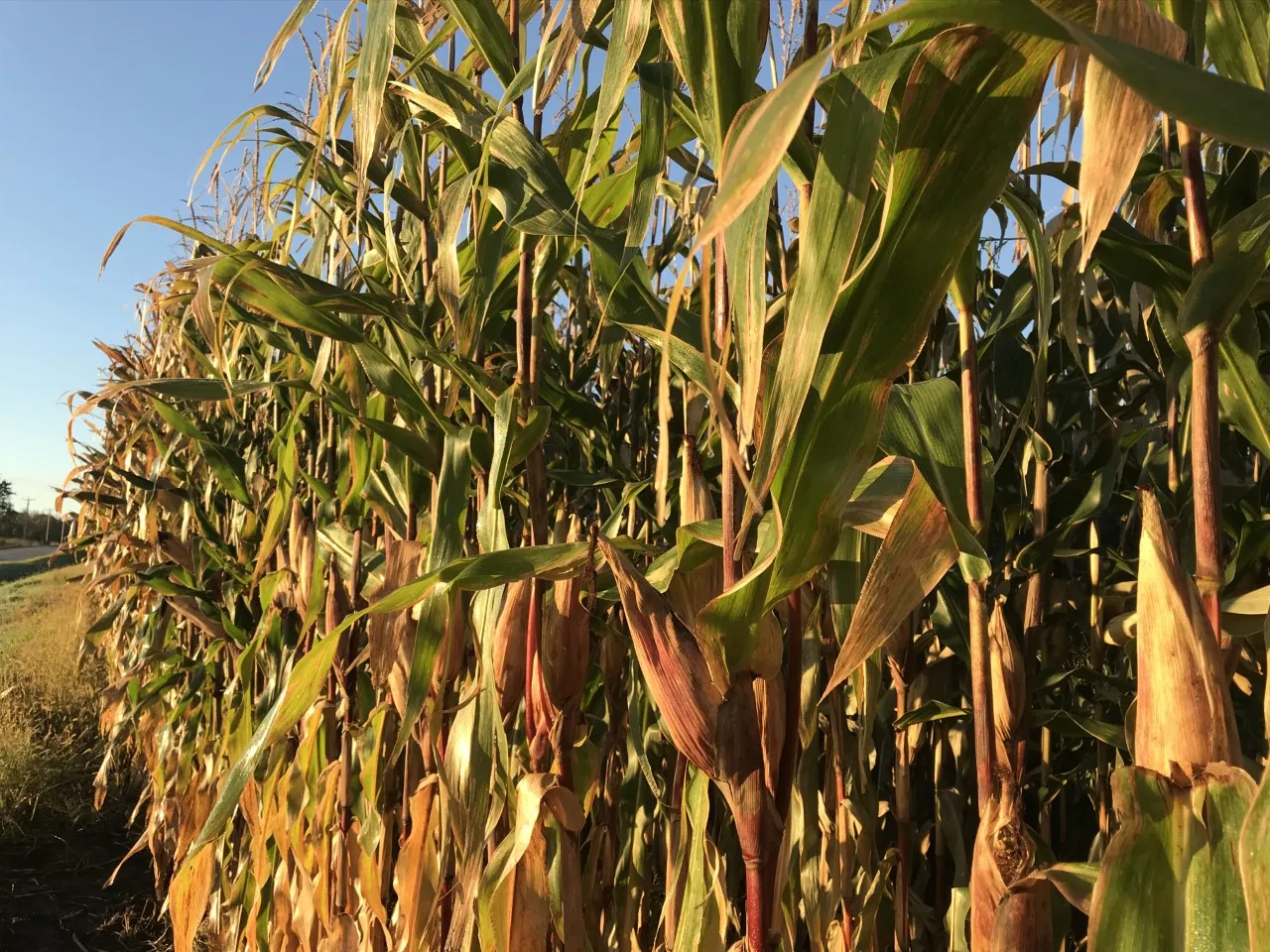
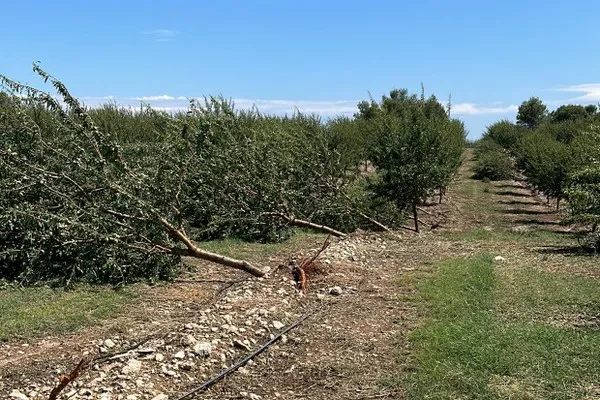
The damage feral hogs can do to an area is staggering. They destroy public and private property by eating crops, digging and uprooting ground, flattening fields, damaging seed beds, and eating native plants. Georgia is the top producer of peanuts in the country, and farmers report that peanuts are the most damaged crop, followed by corn and cotton. A University of Georgia study estimated the damage to crops to be $150 million in 2020.
In addition to damaging crops, feral hogs may carry diseases that can be transmitted to domestic livestock and humans. When they root in waterways, they contaminate the water, destroy aquatic plants, and increase erosion and sedimentation. They can cause significant damage to the delicate salt marshes found in coastal Georgia.
According to the Georgia Chapter American Fisheries Society, feral hogs threaten sea turtles by rooting up sea turtle nests and eating the eggs. Loggerhead sea turtles that nest on Georgia’s barrier islands are classified as threatened under the Endangered Species Act. While the species is recovering, feral hogs are hindering its progress. Research has found that feral hogs are the number one predator of loggerhead sea turtle eggs.
Feral hogs will eat just about anything, including Georgia’s ribbed mussels. Ribbed mussels are important members of the ecosystem. They filter water and help promote the growth of cordgrass, which in turn acts as a stabilizer for salt marshes.
Will HB 946 Answer Georgia’s Swine Problem?
Experts hope that easing restrictions will help control the feral pig population and reduce damage, but it will not eradicate them entirely. “I don’t think that this bill alone will solve our feral hog problem,” Charlie Killmaster, senior wildlife biologist at Georgia’s Department of Natural Resources, told Georgia Now.
Source - https://a-z-animals.com