USA - Heat and rain challenging for California citrus harvesting

02.02.2024 661 views

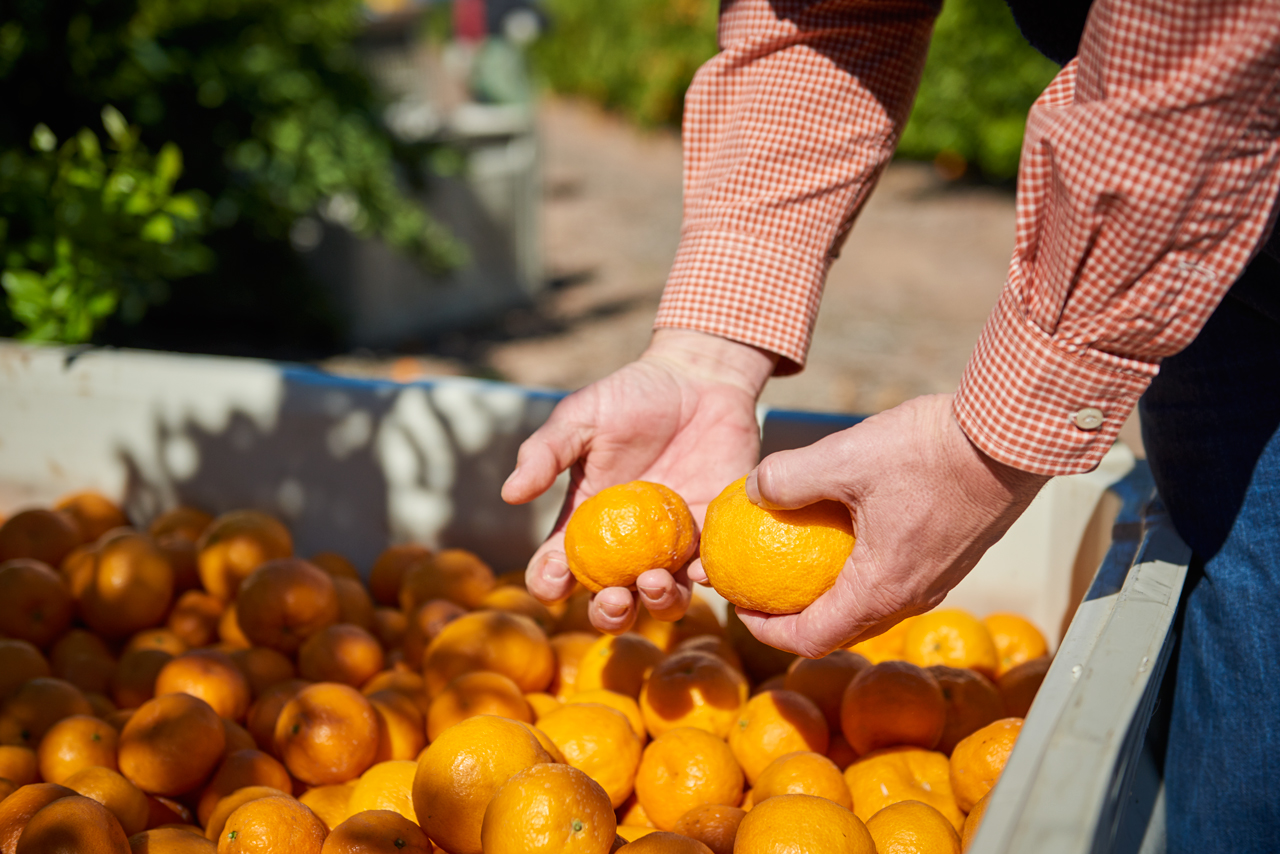
Supplies of California citrus are plentiful right now. “The fruit is big so it’s plentiful in large fruit and very very tight, limited supplies on small fruit--88s and smaller,” says Jim Saavedra of Cecelia Packing Corp.

Right now in citrus, the grower-shipper is shipping navels, heirloom navels, Cara Caras, Blood oranges and it will soon start minneolas. “The season is all over the board,” says Saavedra. “Mostly, the season was delayed but then certain varieties pulled forward. Even though the season was delayed, we expect it to end earlier this year because of the lack of fruit on the backside. There seems to be less fruit in the late navels in particular.” While the company usually ends in May-June (the industry often goes longer into August or September), this season Cecelia Packing is anticipated to finish up sometime in April.

More rain coming
Meanwhile, California has seen some sizable rains recently which is delaying harvesting so growers have been working to try and pick ahead of the rain. However recent warmer temperatures could bring another set of hurdles with quality and fruit drop. “A lot of negative things happen when you have this kind of moisture in 74 degrees,” Saavedra says.

As for demand, it’s steady though not as strong as last year--on navels and Cara Caras particularly-- though the split market between sizes is adding to that dynamic. “If you have a lot of small fruit, you’re probably pretty happy. If you have a lot of big fruit, you’re not as happy,” says Saavedra. However, the demand for Blood oranges is steady and stronger.

Not surprisingly, this is leaving pricing on small fruit stronger and large fruit softer while Blood orange pricing is stronger than last season.

Source - https://www.freshplaza.com

01.09.2026

South Africa - Grain SA calls for affordable crop insurance as dry weather threatens Swartland wheat

Severe rainfall shortages threatening the Swartland wheat crop have highlighted the need for government support to make crop insurance affordable for dryland producers.

01.09.2026

USA - Florida farms face nation’s highest disaster loss rate

Natural disasters destroy billions of dollars in U.S. agricultural production each year. From drought and wildfires in the West to hail in the Midwest and hurricanes in the Southeast, farms lose an average of $5.1 billion in crops and livestock annually, according to the Federal Emergency Management Agency.

01.09.2026

Luxembourg small farmer struggles with effects of high temperatures on crops

High temperatures over the summer caused an increase of certain pests harmful to vegetables.

01.09.2026

Nearly 8,000 acres of crops damaged due to dry weather in Sri Lanka

Cabinet Spokesman and Minister of Health Dr. Nalinda Jayatissa said that the estimated crop damage caused so far by the prevailing extreme dry weather conditions is nearly 8,000 acres of farmland belonging to around 7,000 farmers.

01.09.2026

Cyprus - Storm damage recorded in 183 homes as crop losses assessed

Damage to 183 homes, mainly in the Nicosia district, has been recorded following the severe weather that hit Cyprus last Saturday, the interior ministry said on Monday.

01.09.2026

USA - New USDA initiative aims to spur cattle herd rebuilding with insurance, conservation program grazing changes

New insurance options, emergency grazing authorities on Grassland Conservation Reserve Program acres, and guaranteed loans for regional meat processors are among the elements of a package unveiled by Agriculture Secretary Brooke Rollins Monday to encourage producers to rebuild the U.S. cattle herd. 

30.08.2026

Serbia's Drought Halves Crop Yields, Few Farms Insured

Drought in July and August 2026 cut yields by more than half in parts of Serbia, but only 15 percent of farmland is insured. A corn policy costs about 4,500 dinars per hectare.

30.08.2026

India - Maharashtra Approves ₹23.33 Crore Aid For 17,245 Farmers Hit By Crop Damage

The Maharashtra government has sanctioned ₹23.33 crore in relief for 17,245 farmers whose crops were damaged by floods, excessive rainfall, cyclones and hailstorms.