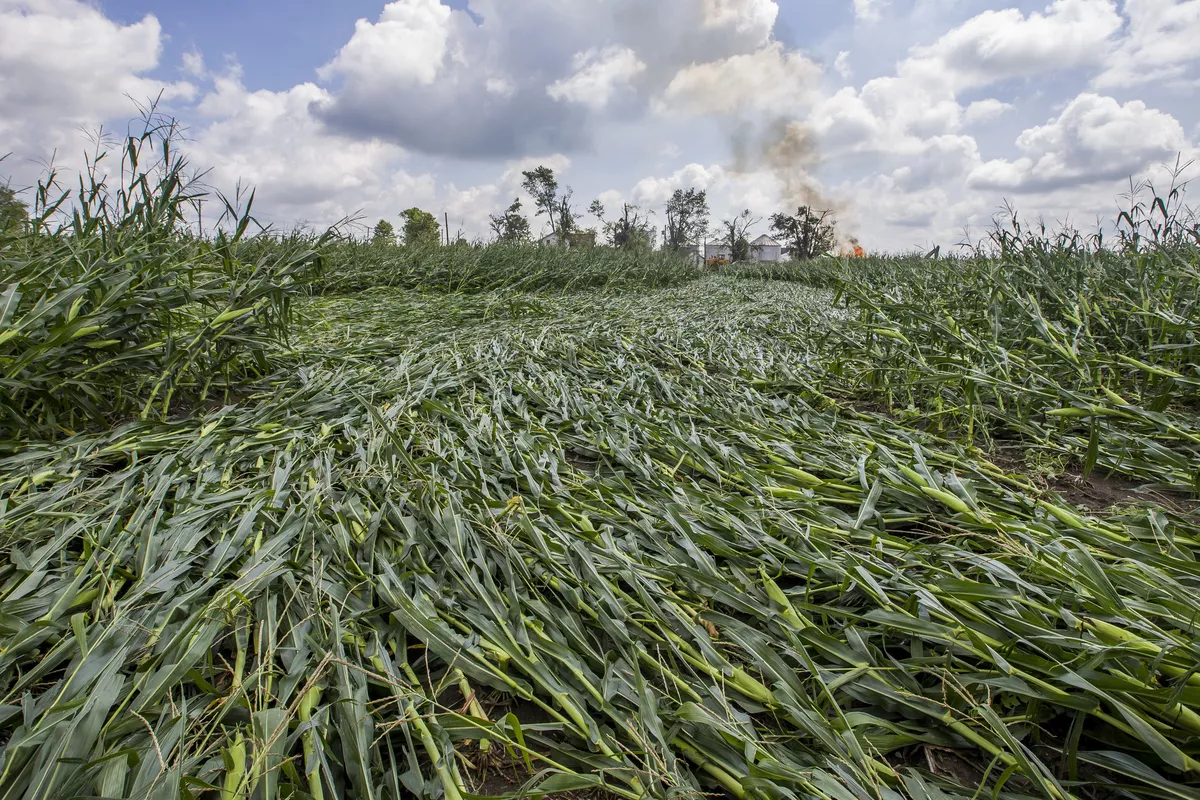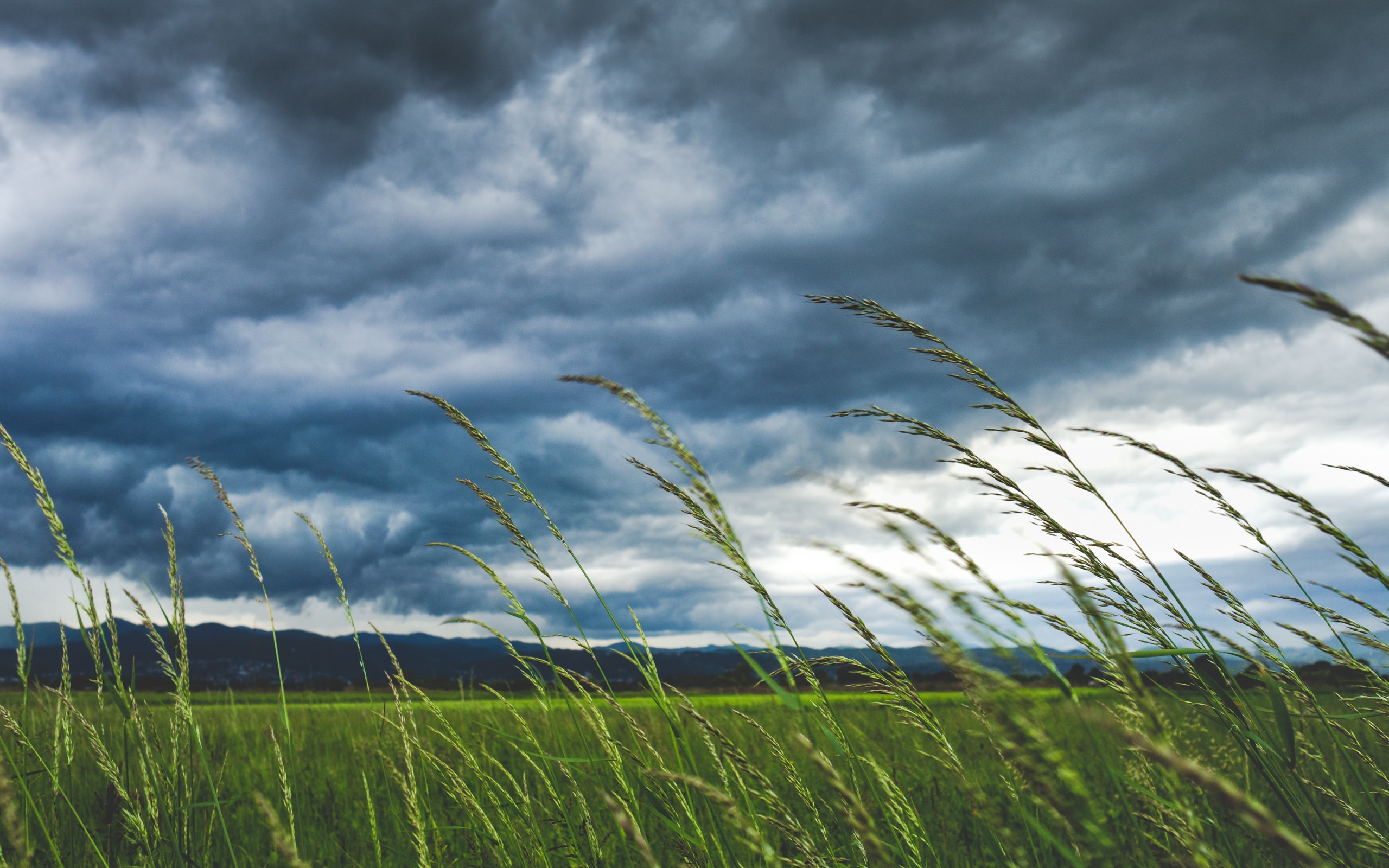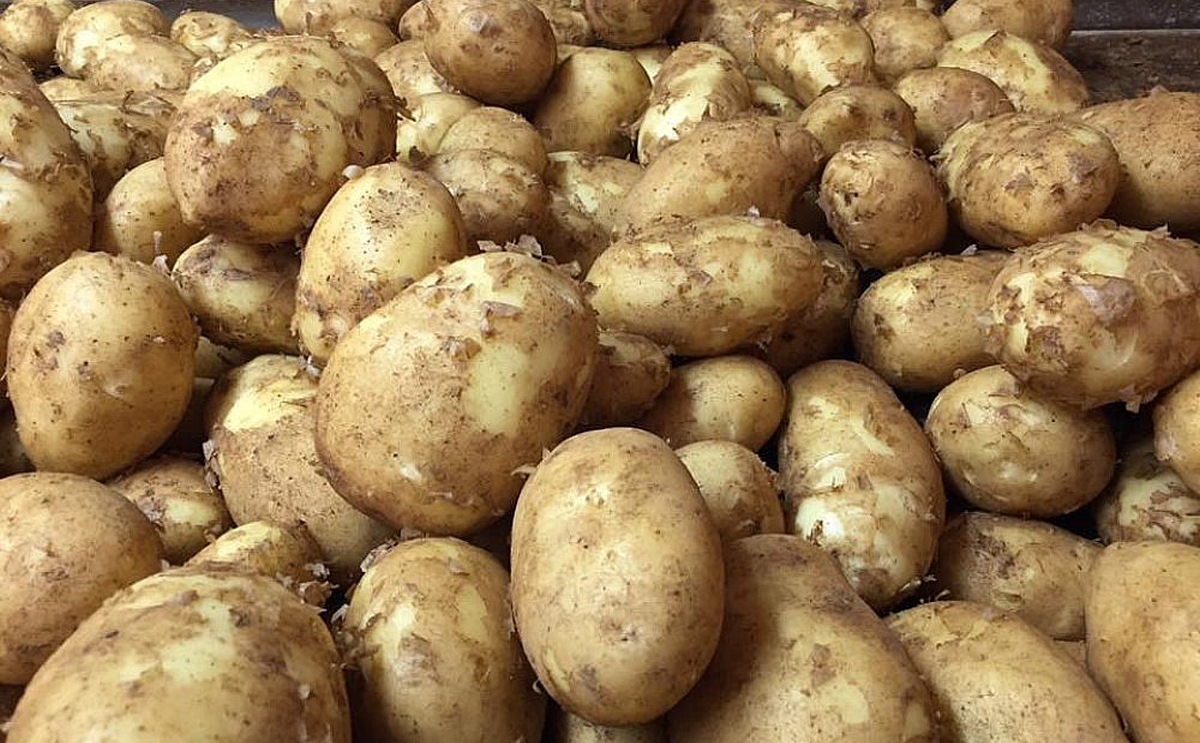
Around 70 percent of the state's potato crop has already been harvested, but some producers are now delaying their work out of fear the unseasonable heat could cause the harvested potatoes to rot.
Kevin Schleicher, sales director for Wysocki Family of Companies, said his Portage County farm is only halfway through harvesting potatoes. They got started earlier than normal, but Schleicher said they're now several days behind because of rain and abnormally warm weather in the last two weeks.
"Potato harvest is a little bit like Goldilocks, where you can't be too hot, you can't be too cold, and it can't be too rainy," Schleicher said. "You need just the right conditions in order to harvest."
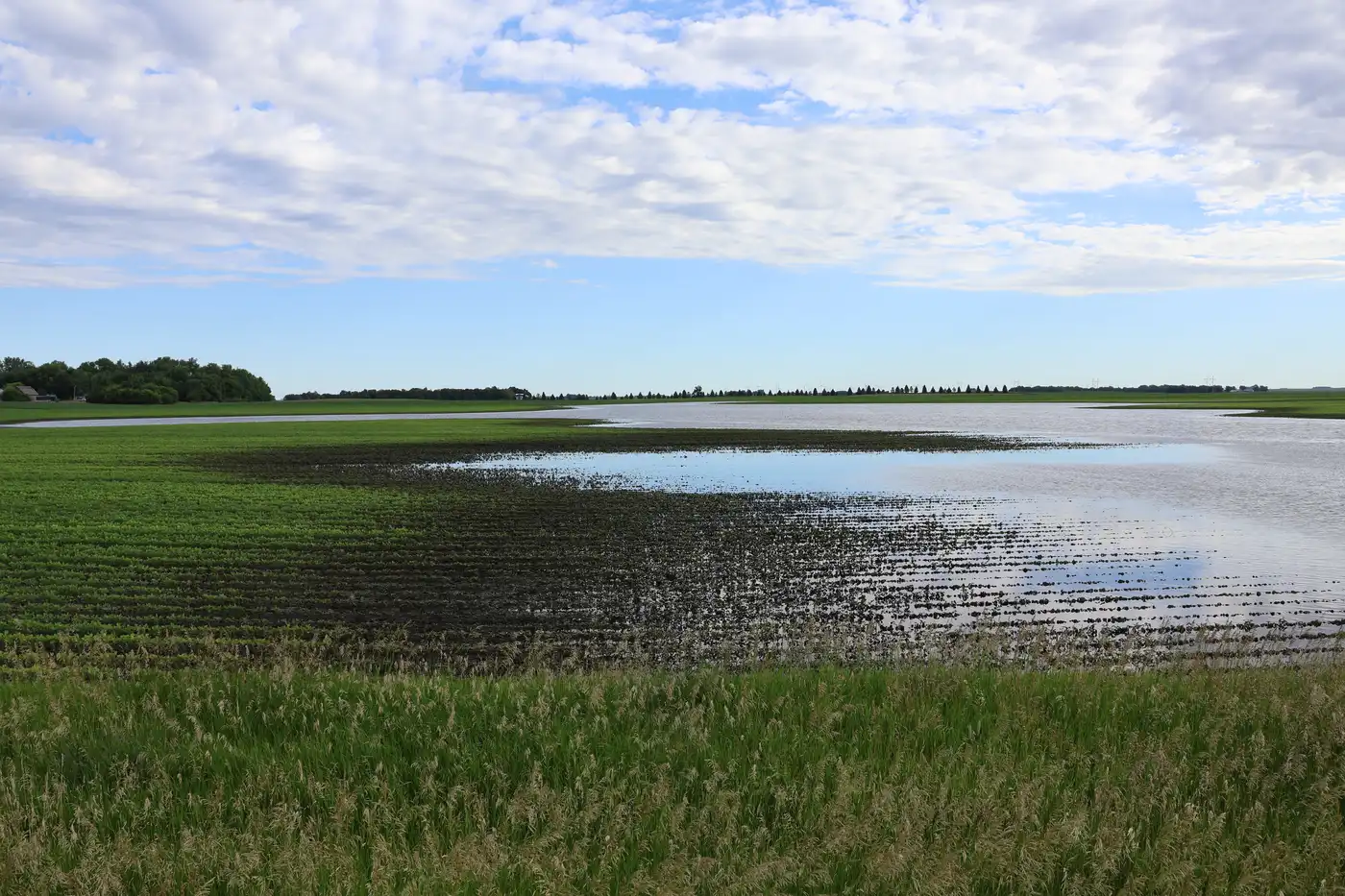
That's because wet soils and higher temperatures increase the chance for disease that can cause potatoes to rot while in storage.
Amanda Gevens, potato and vegetable pathologist for the University of Wisconsin-Madison's Division of Extension, said potatoes are already generating heat heading into harvest through a process called respiration. If weather conditions raise the temperature of the tubers even further, that can make it difficult for farmers to properly cool them down for storage.
"There may not be adequate cooling air available to get control of this heat load," Gevens said in an email. "Refrigeration is a great option to cool potatoes at harvest, although the system must have the capacity to handle the high heat load and fresh air also must be provided to purge carbon dioxide."
Gevens said the probability of losses due to pathogens like pythium and pink rot increase substantially in the heat, which is why most producers only harvest when the weather is below 70 degrees.
But Tamas Houlihan, executive director for the Wisconsin Potato & Vegetable Growers Association, said producers can't wait too long to bring in their crops.
"The big fear is that you get a frost," Houlihan said. "Those always come at some point in October. So a lot of growers target Oct. 15 as kind of the cutoff date to get the crop out of the ground."
He said some farms have still been doing some harvesting very early in the morning to keep bringing in crops despite the above-average temperatures.
Schleicher said on his farm, that means starting to dig around 4 a.m. and stopping by 11 a.m.
"Sometimes we're storing the crop for 10 or 11 months," he said. "You want to make sure that it's put into the storage at perfect, or as best as you can, temperatures."
Temperatures are expected to cool off for much of the state later this week. Schleicher said he's still optimistic his farm will be able to finish harvest in the next week or so.
Houlihan said most producers expect to bring in an average yield this year despite the prolonged drought conditions across much of the state this summer. He said more than 95 percent of the state's potato farms use irrigation, so they could easily make up for the lack of precipitation.
"Another thing the growers said is that it wasn't hot and then cool and then hot, which can cause growth spurts and very uneven-looking tubers," Houlihan said. "It just stayed hot. And with the use of irrigation, it also kind of cools the crop down, so we're seeing good shape in the potatoes."
But irrigation is not without a cost during widespread drought. A 2021 report by state natural resources officials found that the use of high-capacity wells for irrigation and other uses significantly lowered water levels at two lakes in the Central Sands region, causing concern by some environmental groups about how these systems affect groundwater.
Houlihan said lake and stream levels in the area were affected by the drought this year, but many have already returned to more normal levels after recent rains.
Wisconsin is the third-largest potato producer in the U.S., with 65,000 acres. But Houlihan said the state's growers are seeing more competition from the top-selling state Idaho, which reported an additional 35,000 acres planted this year to meet demand from recently expanded processing plants.
"They decided to plant a lot more potatoes this year, primarily for the frozen processed market, like french fries, hashbrowns, tater tots," he said. "Some of those potatoes are going to spill over into the fresh market, which means the prices will go down."
But Houlihan said smaller than average harvests in the last few years mean there is still plenty of demand in the market to support expansion in Wisconsin. He expects to see some farmers grow their production in the near future to meet increased demand from the food service industry, which started when consumers returned to eating out after the height of the COVID-19 pandemic.
Source - https://www.wpr.org