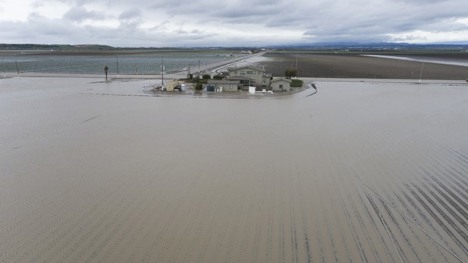
Watch and wait. That’s where California strawberry growers are at following late last week’s record rainfalls and subsequent flooding in the Salinas-Watsonville region.
Now, growers are still waiting for the waters to recede before potential damage can be assessed. “It’s too early to tell the number of acres that have been affected. Roughly 20 percent of the farms in the Pajaro River and the Salinas River areas were affected, though to what extent we don’t know,” says Jeff Cardinale with the California Strawberry Commission.
Anecdotally, Steve Johnston of G.W. Palmer & Co. says one of the largest growers in Salinas Watsonville suggested there could be 3,000 acres of strawberries affected by rain. “Affected, meaning there have been water difficulties--it’s not necessarily that the acreage is lost,” he says.
Various scenarios
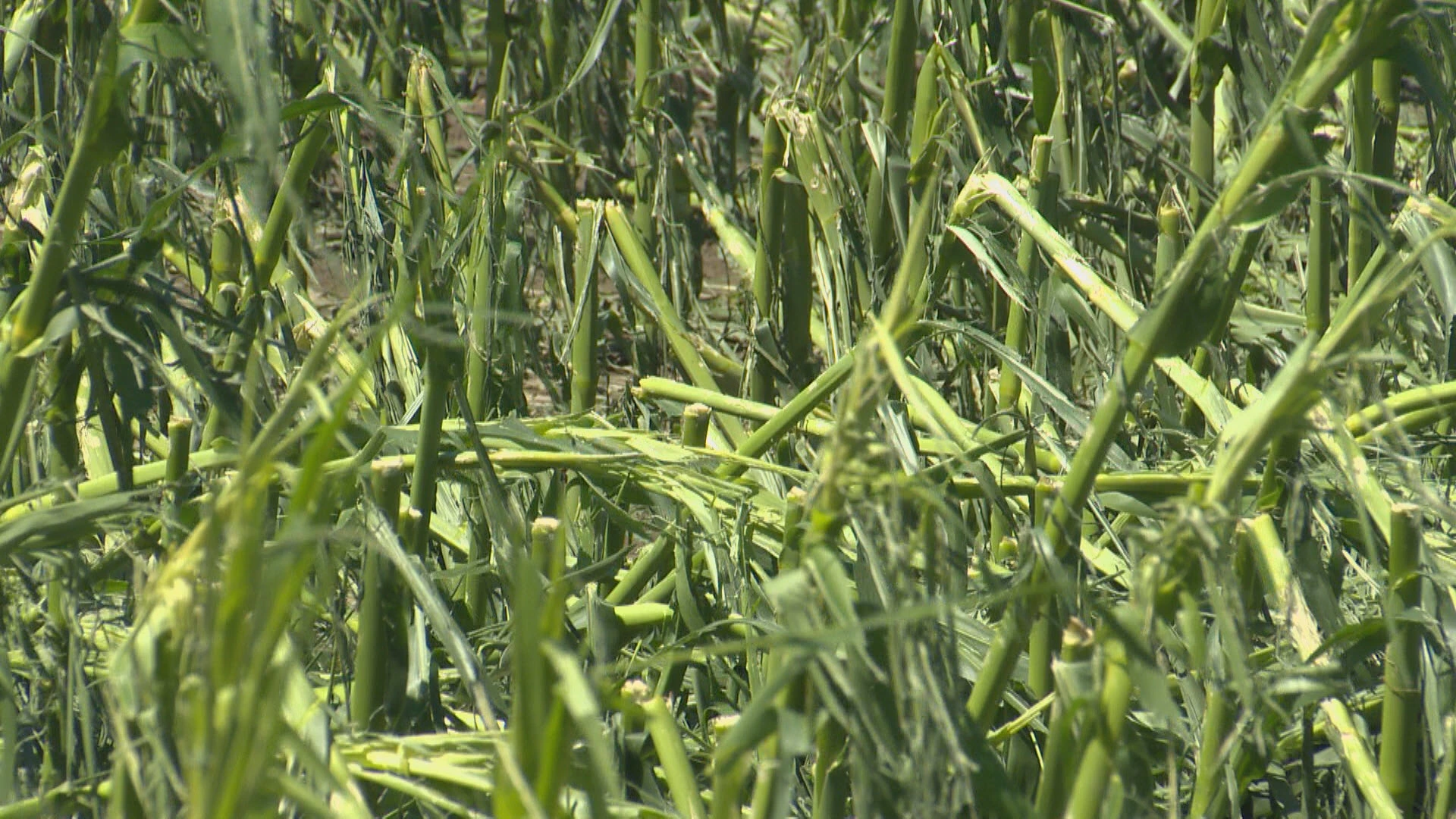
At the Commission, Cardinale notes that while it’s speculative at this point, one of four scenarios could emerge, starting with complete erosion when the waters recede, where growers are left with muddy lakes if roads are destroyed. Or the plants could be covered in sediment from the flood waters. “We don’t know about the viability of those plants. Some may be covered, all may be covered, but that’s another unknown,” he says.
When those waters recede, growers could possibly see viable plants, and then decisions would be made about the fruit according to food safety guidelines. “Chances are they’re going to be pulled from the plants, but we’re not sure,” Cardinale says.
The fourth scenario? Stronger strawberry plants, thanks to the soil and water mix, could create a more beneficial soil for the plants.
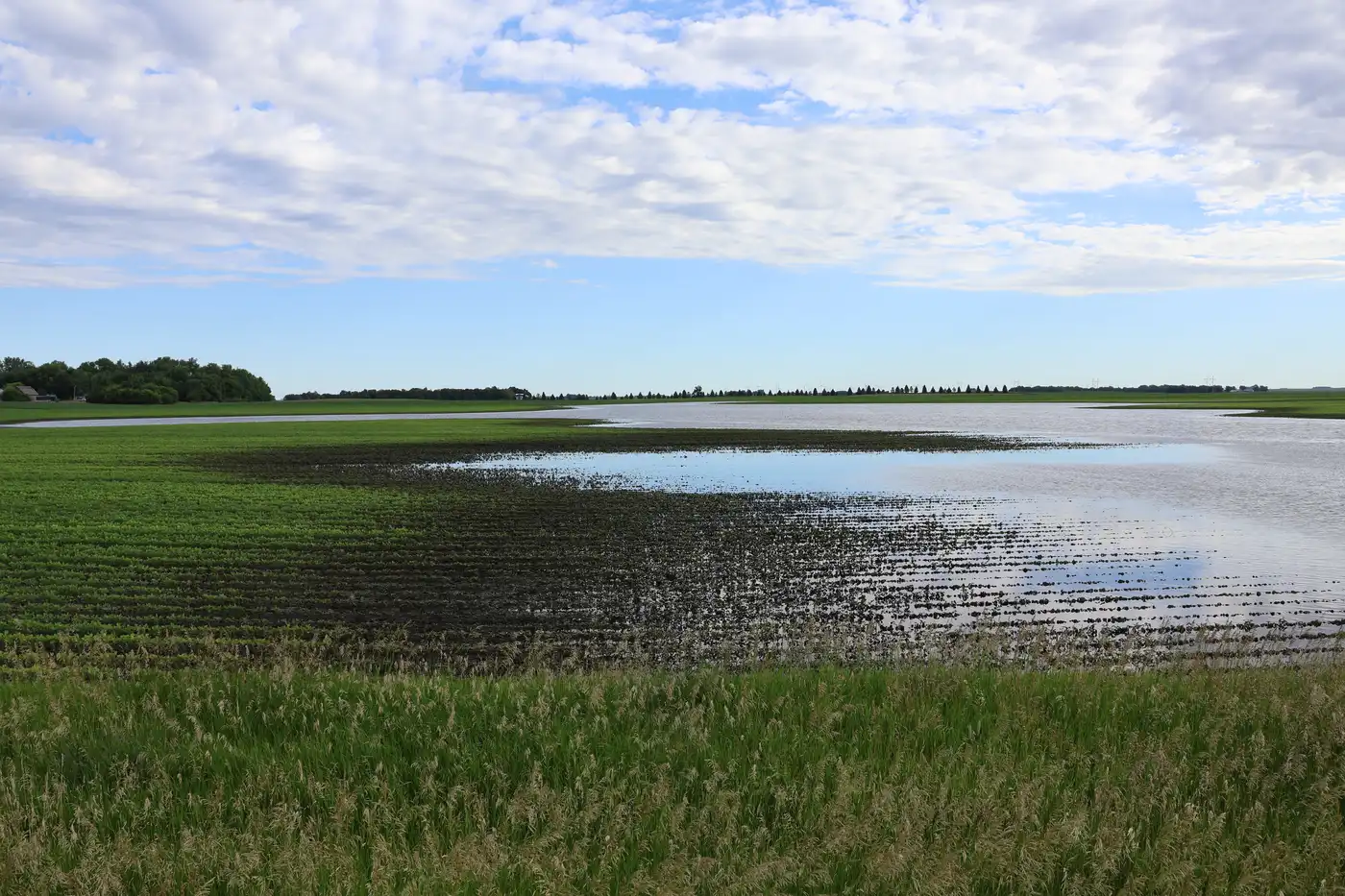
At Well Pict, Jim Grabowski says growers are seeing a number of things from the rain right now. “Some fields are completely underwater and inaccessible. Other fields have standing water in the furrows alongside the strawberry beds. People don’t know what the plants will be like when the waters recede from flooded fields as well as not knowing how the plants will react on the fields where there was water in the furrows,” he says.
However, the weekend saw more rain, and more is expected early this week.
Other producing regions
Cardinale says this doesn’t mean a stop to strawberry production in California right now. “Roughly 80 percent of the farms in this area were not affected. Then you have those fields that were partially affected. There definitely will be strawberries coming from this region, but the amount is just unknown,” he says, noting another possibility may be production beyond estimates from farms in the region that were not affected.
At the same time, Oxnard and Santa Maria, California have been shipping berries for several weeks and will soon be shipping at their three-year average. “While the Watsonville crop will probably be delayed a bit, Oxnard is trying their best to cover the strawberry market, but they themselves are having weather issues. Cool and wet days are slowing ripening which results in a slightly reduced production level,” says Grabowski.
However, Cardinale says retailers and consumers won’t see any difference in the store because most of the berries were coming from Santa Maria and Oxnard. “The critical time will be later on in April-June when the berries that were supposed to come from Salinas-Watsonville are starting to hit the market.”
What’s ahead
“The strawberry deal is taking a bit of a hit now. We are slightly down, but in no way are we out, and we’ll be back as soon as we can get this weather mess straightened out,” says Grabowski.
There is also a small bright spot, at least for strawberry growers. “The vegetable acreage here is unfortunately really affected, and they won’t be able to plant like normal,” says Johnston. “So when it comes time to normally harvest those crops, the people who would have been harvesting won’t have anything to do, so the good news for strawberry growers is they won’t have problems with labor this year.”
Source - https://www.freshplaza.com