Peach trees are blooming at Jaemor Farms in Alto, Georgia, this week. It’s a stark contrast from last year, when an abnormally warm winter followed by freezing temperatures destroyed a significant amount of the state’s favorite fruit.
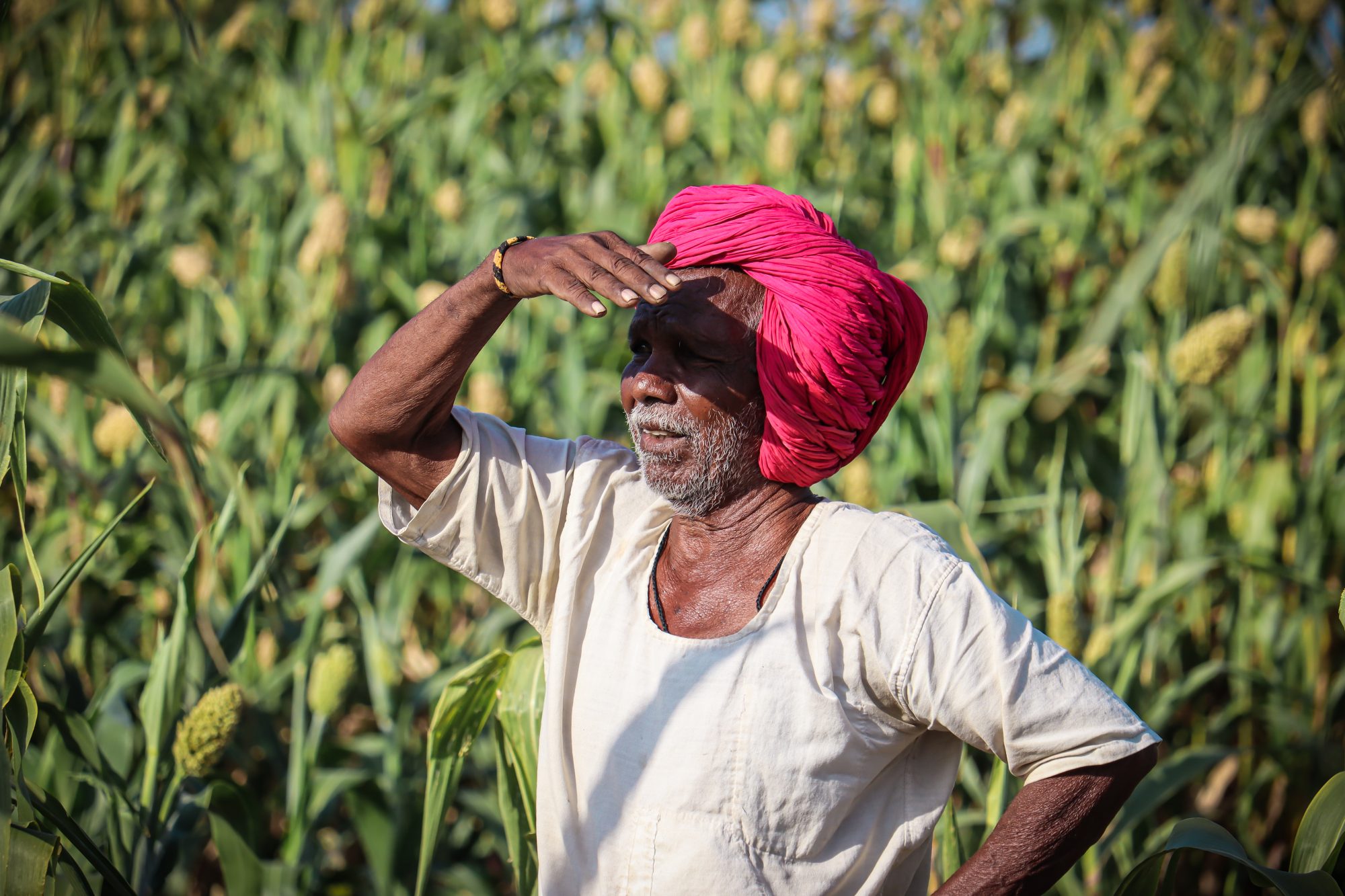
Owner Drew Echols, a fifth-generation farmer, said it has become harder to predict when fruits like the iconic Georgia peaches would start blooming. Like many growers, he’s had to resort to creative and strategic measures, such as trying out new fruit varieties or using wind machines to control the air temperature, to protect his crops.
“The biggest worry that a farmer, especially a peach producer, faces is always the weather,” Echols told CNN. “You’re always looking at that forecast every single day, planning work and praying and hoping that you’re going to have a good crop.”
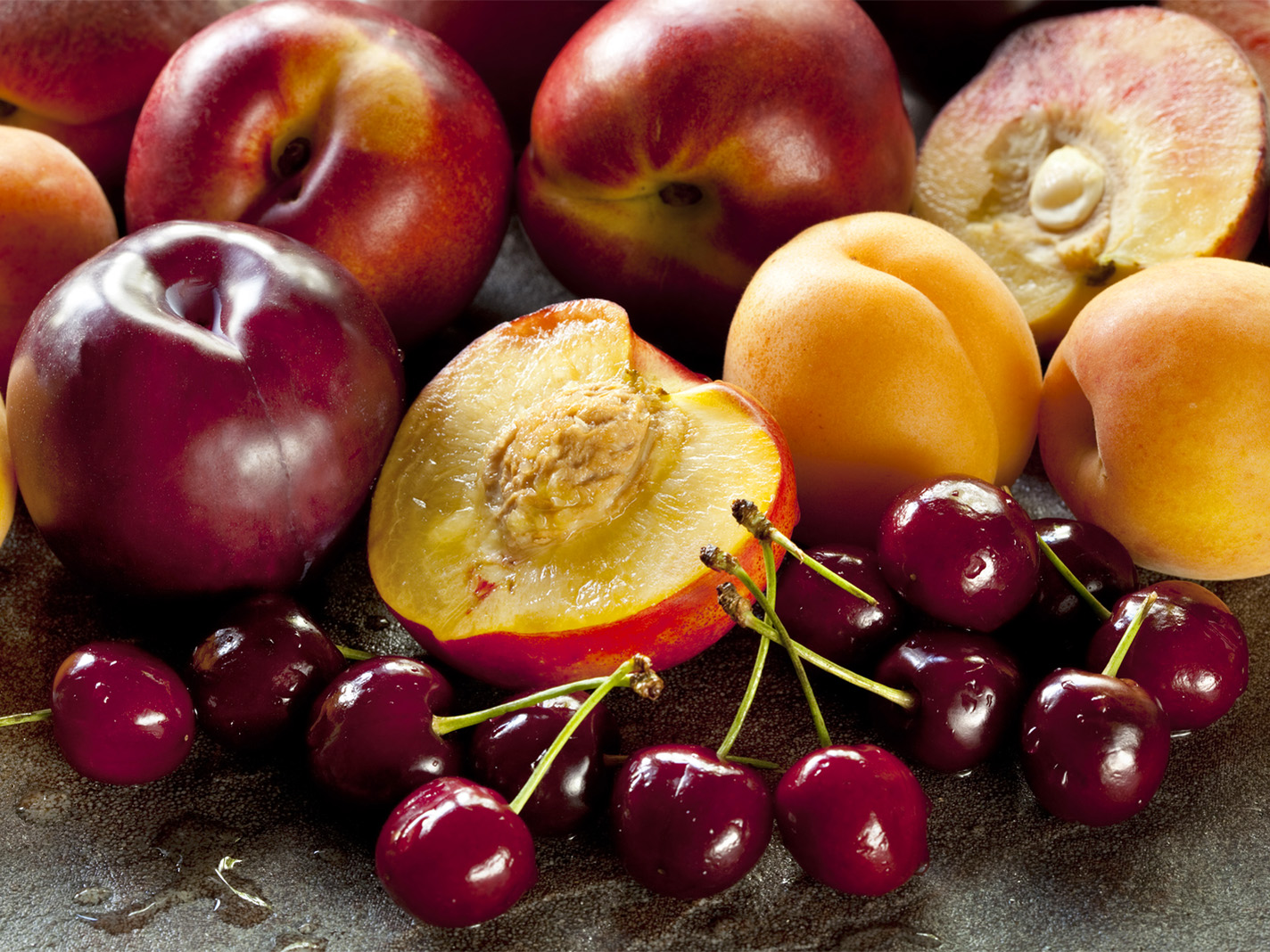
As the climate crisis creates warmer winters and early springs, peaches and many fruit crops, including plums, apples and apricots are at risk. Warmer winters mean earlier blooms, and a sudden dip in temperatures during the season could damage or kill the fruits, drastically affecting the amount harvested for the year.
Last year, Georgia lost more than 90% of the peach crop after an abnormally warm winter caused trees to bloom too early. The Peach State typically produces more than 130 million pounds of peaches annually, a haul that in 2021 was valued at nearly $85 million. While this year is turning out to be better than last, Echols fears another major loss.
“As we see the climate changing, we see these more erratic events,” Louise Ferguson, professor of cooperative extension at the plant sciences department of the University of California, Davis, told CNN. Swings in temperatures, with overall warmer conditions, are becoming more common. The bottom line, Ferguson says: “You will see more climate-related events affecting the availability of your fruits.”
This winter was the warmest on record since data-keeping began in the late 1800s for the Lower 48 US states, according to the National Oceanic and Atmospheric Administration. Aside from one brutal cold snap in January, the winter warmth continued throughout the season. But then this week, parts of the country briefly saw temperatures drop below freezing, making the first few days of spring — and the Southeast growing season — feel a lot like winter.
“What the USDA Climate Hub is showing is that the weather is overall warmer, but the place that is the most erratic in terms of really high highs and low lows, like 50-degree changes within a couple of days, is in the spring,” Dorothy Suput, a Boston-based agricultural consultant and senior fellow at the Croatan Institute, said.
This is a challenge for the flowers that turn into fruits, said Benjamin Cook, climate scientist at Columbia University and the NASA Goddard Institute for Space Studies.
“If you have a really intense frost event that damages an orchard, then the trees can lose those flowers,” Cook told CNN. “As a consequence, they oftentimes won’t replace them, and you’ll wind up with a much lower harvest than you otherwise would have had.”
That’s what happened in Georgia and other parts of the country last year. New Hampshire apple growers also struggled to protect their early-bloomed fruits from a frost last year. By mid-May, most of the apples in orchards were severely damaged — saps frozen, insides blackened and fruit cells ultimately destroyed.
“If there’s freezing in the cells, that’s a slightly deeper freeze, it tears the membranes apart and it damages the structure of the fruit and it can’t grow,” Ferguson said.
Growing fruits require a certain number of “chill hours,” ranging between 32 degrees and 45 degrees Fahrenheit. The cold allows the crops to go into dormancy, much like people need sleep. The fruits begin to bloom as temperatures warm, but when a cold spell comes back, they become susceptible to damage.
“In New England last year, because it was really warm, the trees started flowering or setting their buds,” Suput said. “But then it dropped to like crazy cold weather, which killed what would become the fruit.”
As a result, Suput said there were barely any fruits at most local farmer’s markets.
Fruits like peaches, strawberries, mangoes and plums typically reach their peak ripeness during the summer months. However, experts say the sudden shifts in weather may soon change that.
Research shows erratic weather events like extreme heat, drought and sudden freezes can stress fruit trees, which can affect the plant’s sugar content, acidity and overall flavor. Some fruits can lack freshness and become less sweet or tarty under stress. Other fruits can even see color changes.
As farmers encounter more of these climate change-fueled erratic weather patterns, Suput said many are trying to find solutions — whether that’s tapping into new fruit varieties to offset the impacted yield or finding new ways to protect crops.
At Jaemor Farms, for example, peaches aren’t the only fruits under threat. Against the backdrop of 150 acres of pink peach blooms lies a white tarp blanketing another crop of summer staple: strawberries. Jaemor’s 18-acre strawberry field is tucked under heavy blankets to protect them from the cold.
“Our entire food system is at risk,” Suput said. “It’s about figuring out what we can do differently and learn from other people, rather than trying to hold on tight to the tried-and-true ways that have worked for many years, but what that looks like I’m not sure people know yet.”
Source - https://amp.cnn.com